Musée du Louvre, Paris, France
December, 2025–Ongoing
The Louvre has announced the acquisition of Liaisons, by Marlene Dumas, the first work by a contemporary female artist to join the permanent collection.
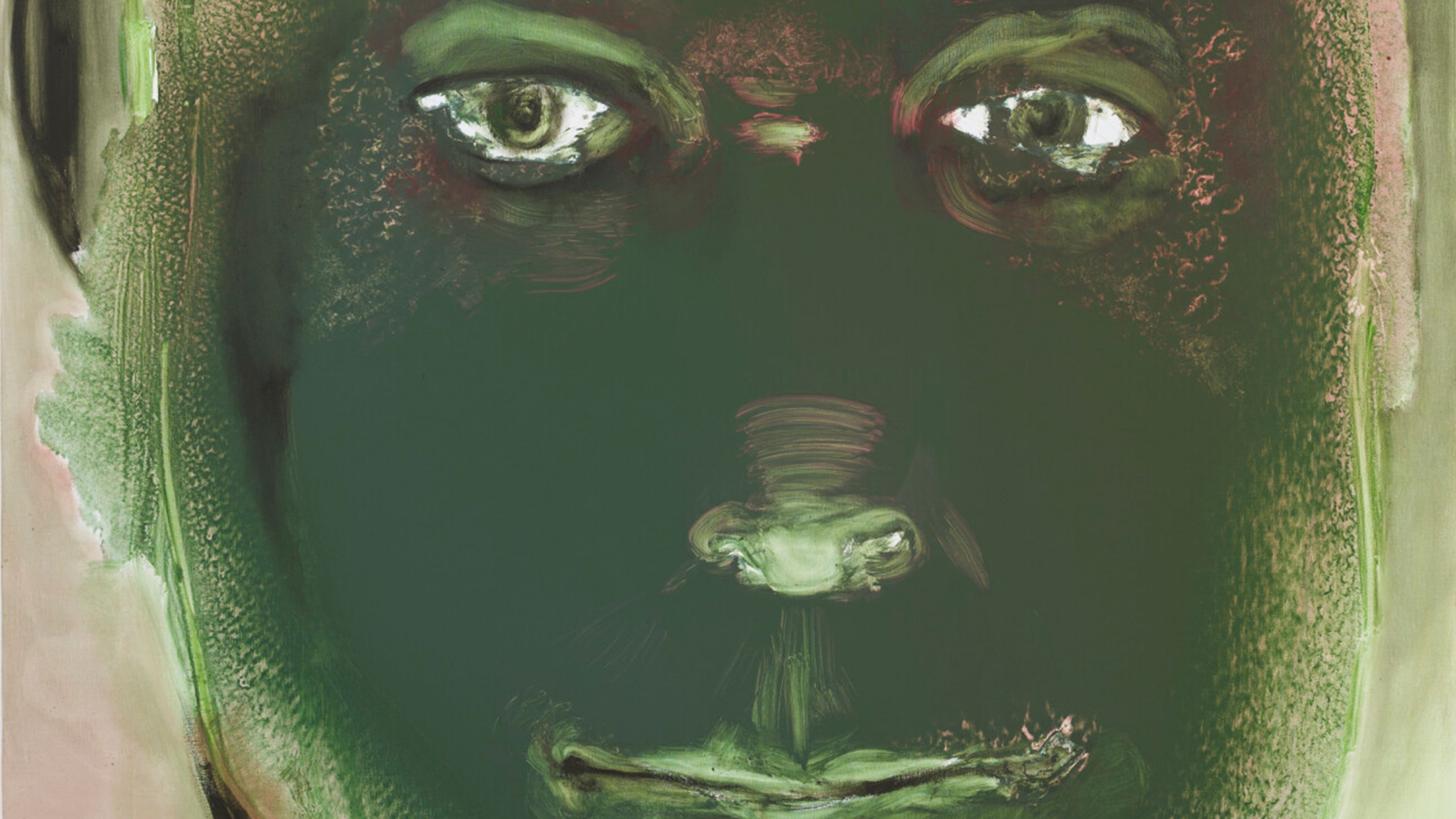
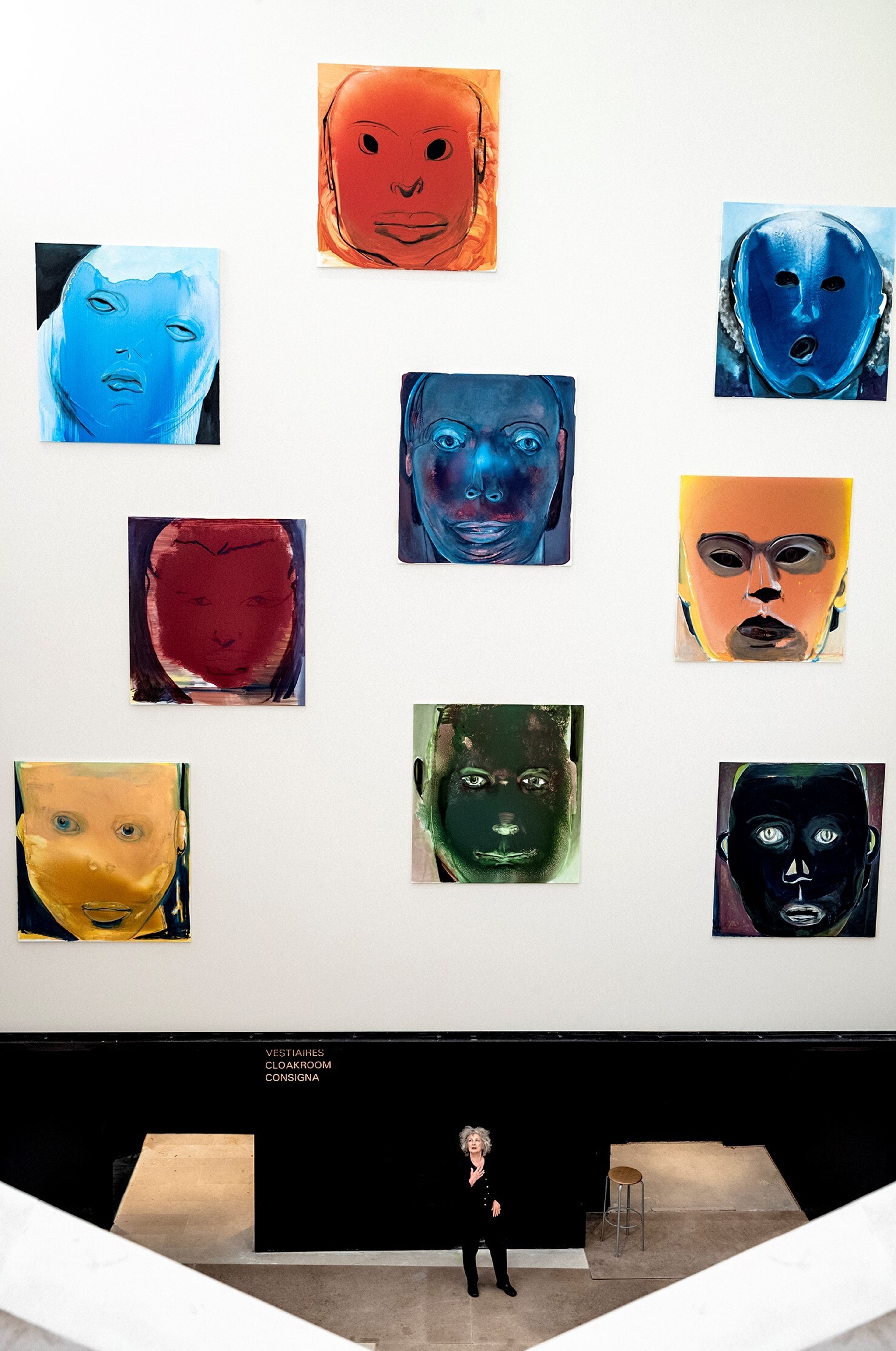
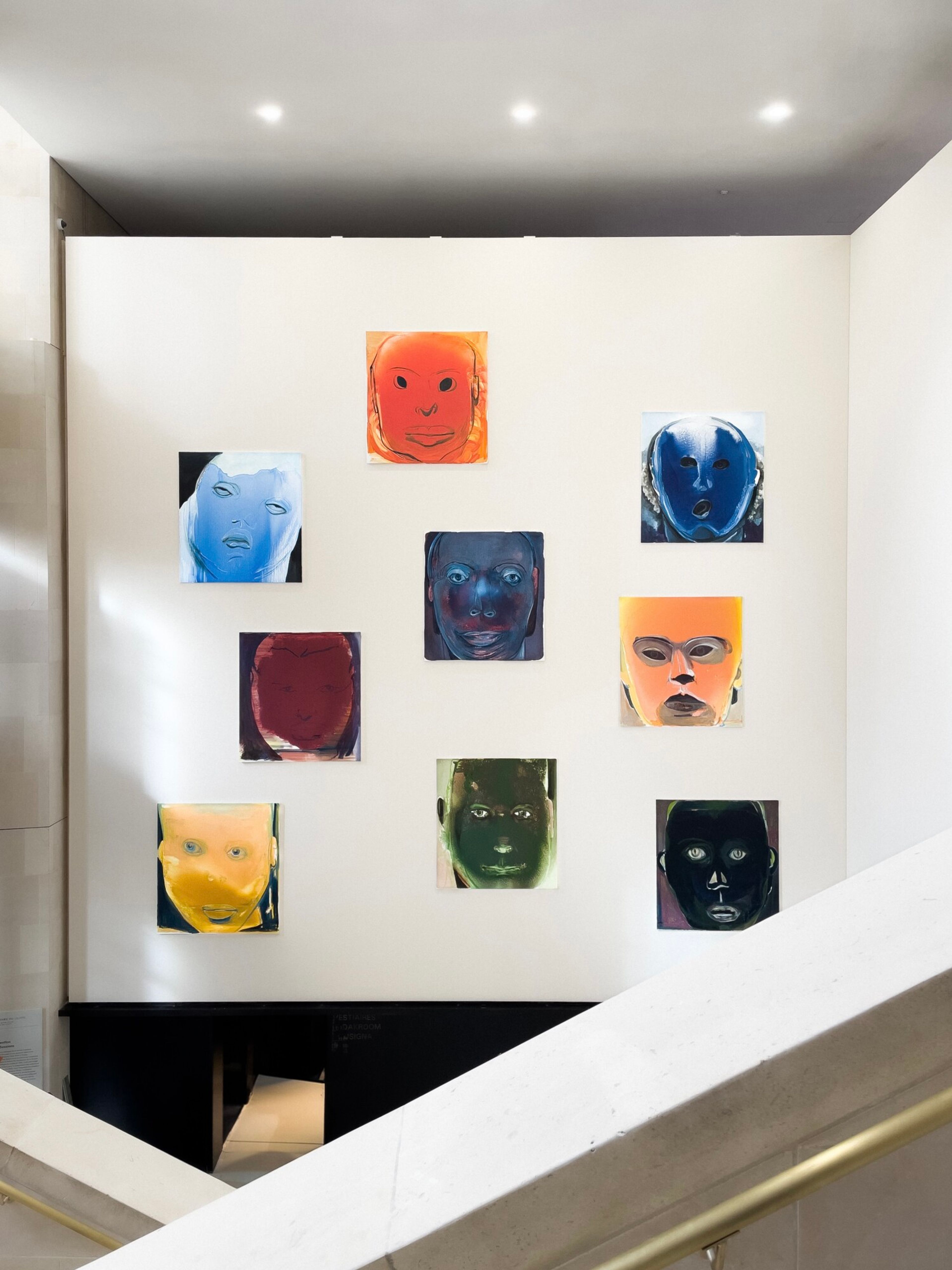
Liaisons consists of nine paintings conceived for the vast wall of the Porte des Lions atrium of the Louvre. The dimensions of the canvases match those of the marble bas-reliefs that once hung on that wall, making Liaisons part of the history of the Louvre and its museography. It also fits into the history of large-scale painted decor, artistic interventions, and in situ commissions in museum spaces.
Marlene Dumas designed Liaisons for the Porte des Lions, an atrium located at the entrance to the Gallery of the Five Continents and the Musée du Louvre's painting department, close to the Grande Galerie. This proximity to renowned masterpieces of painting takes on particular significance given that the artist's work is deeply rooted in this medium, constantly combining sources and stories, much like the Musée du Louvre itself.
Dumas’s title, Liaisons, is a word that exists in both French and English and evokes links from one territory to another and from one person to another, reflecting a sensitive and emotional relationship to art as a fragment of humanity. Liaisons demonstrates the artist's remarkable virtuosity and technique, which is both free and precise. Some of these faces are more abstract, others more gestural. Each of the nine panels retains its individuality and assumes its unique status within the ensemble.
Dumas conceived this series with the museum's spirit in mind: the Louvre as a place to encounter and be in the presence of works of art, to bring those in conversation. Over the years, Marlene Dumas has continually cited, referenced, and incorporated works from the Louvre into her own art. Her creative process brings together images from her archive and shifts them into the pictorial realm; in making this work, she has set no limits on the type and the form of her inspirations from the collections. She works from pre-existing images and combines the texture of painting with a profound reflection on the history of art and forms.
“Marlene Dumas is one of the greatest painters of our time. When we were thinking about a work for the entrance to the Portes des Lions, which is both the access to the Gallery of the Five Continents and the Department of Paintings, she seemed the obvious choice: she defends and illustrates the medium of painting like few others, and her work is conceived as a space for bringing together different sensibilities and origins. That is exactly what we aimed to do with this redesigned space. We are proud of the outcome of this magnificent project. Marlene Dumas's work is a repertoire of ways of painting and drawing, as well as an invitation to confront our humanity”–Laurence des Cars, President-director of the Musée du Louvre
“My faces are a mixture of the past and the present. I cannot paint the horrors of the ongoing genocides of our times directly, but their shadows did affect the mood under which these faces were made. Portraiture deals with likeness and the recognition of people known. Faces deal with the nameless. They include those dehumanized, like fugitives, branded as aliens. Speaking as an old existentialist, I recognize my own feelings of alienation. These faces are not heroes to admire or to reject. That is neither a good nor a bad quality. They seem to be part of our collective unconscious.”–Marlene Dumas Learn more at the Musée du Louvre.