Lisa Yuskavage
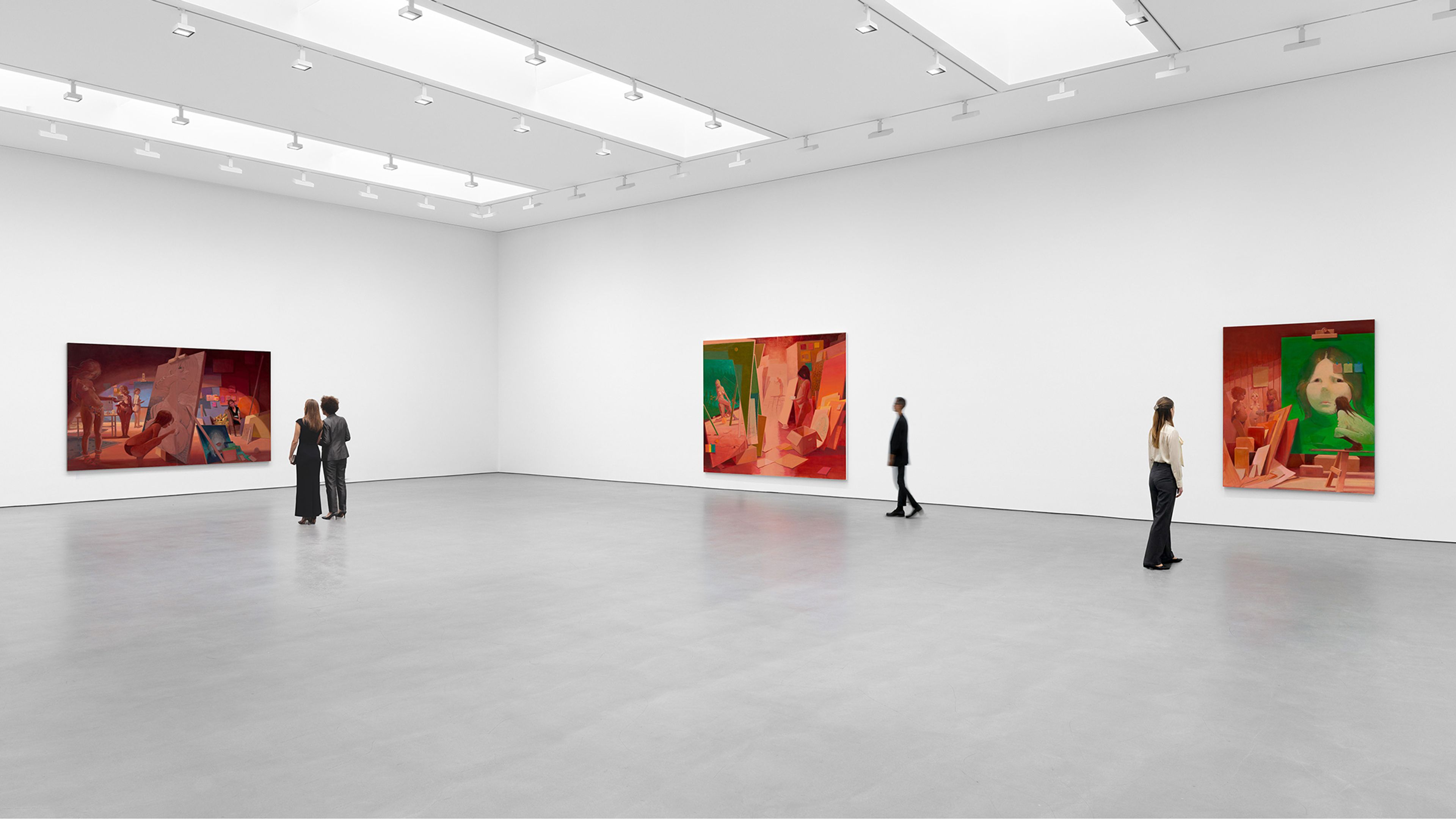
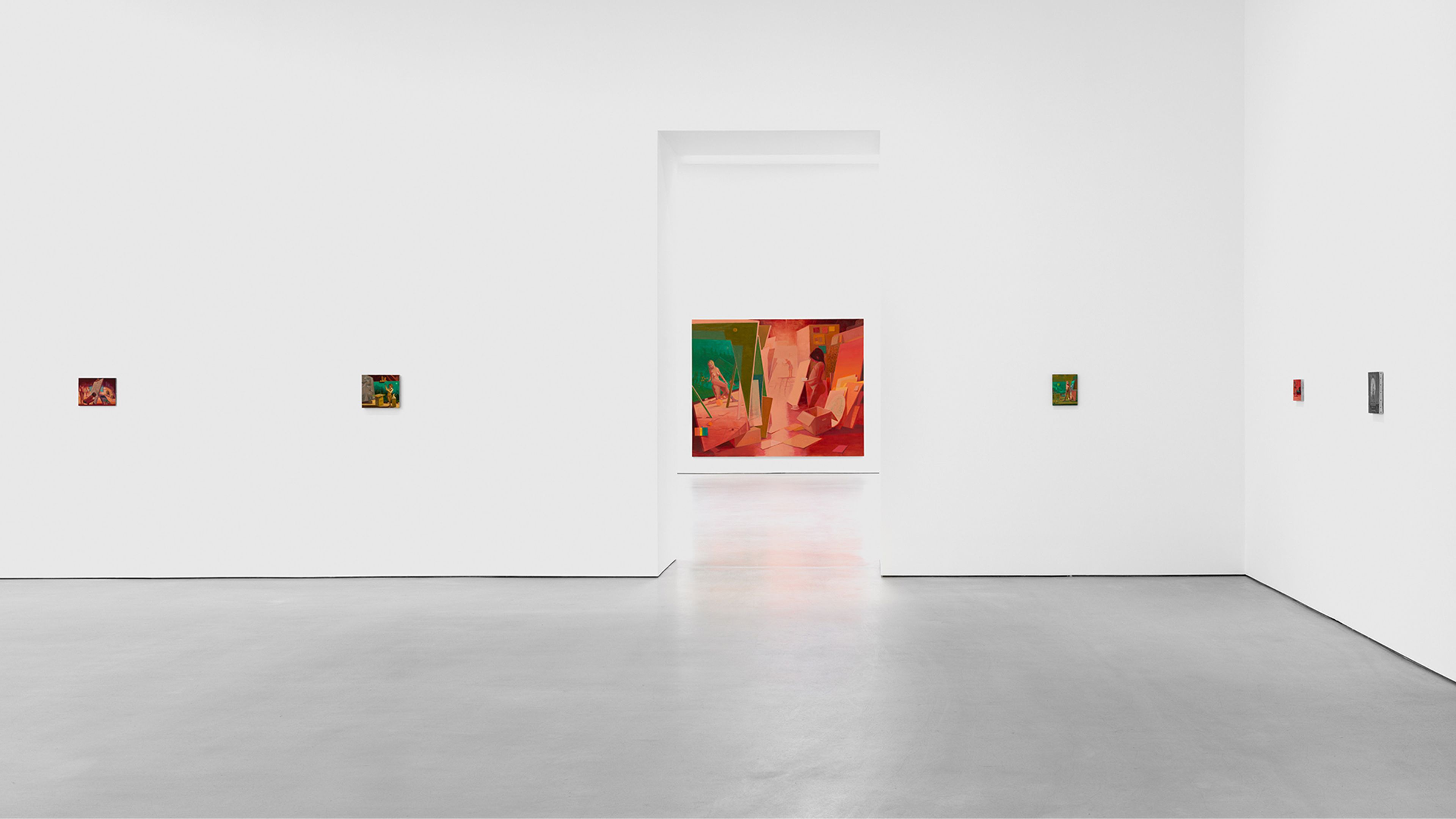
Installation view, Lisa Yuskavage, David Zwirner, New York, 2026
Past
May 14—June 26, 2026
Opening Reception
Thursday, May 14, 6–8 PM
Opening Reception
Thursday, May 14, 6–8 PM
Location
New York: 19th Street
533 West 19th Street
New York, New York 10011
Artist
Explore
Explore All Works
Video by SandenWolff, Inc.
“I keep on thinking about the way in which your memories – and the way you flip through remembering things – are forms of discarded masterpieces. There are these rectangular forms in the picture, some of which have things rendered on them ... and then there’s this tumbling bunch of color-field-flat-things – paintings, we assume. And I was just thinking that it’s almost like going through your own history, and there’s some things that you discarded, and that you want to bring back.”
—Lisa Yuskavage in conversation with Ariel Levy
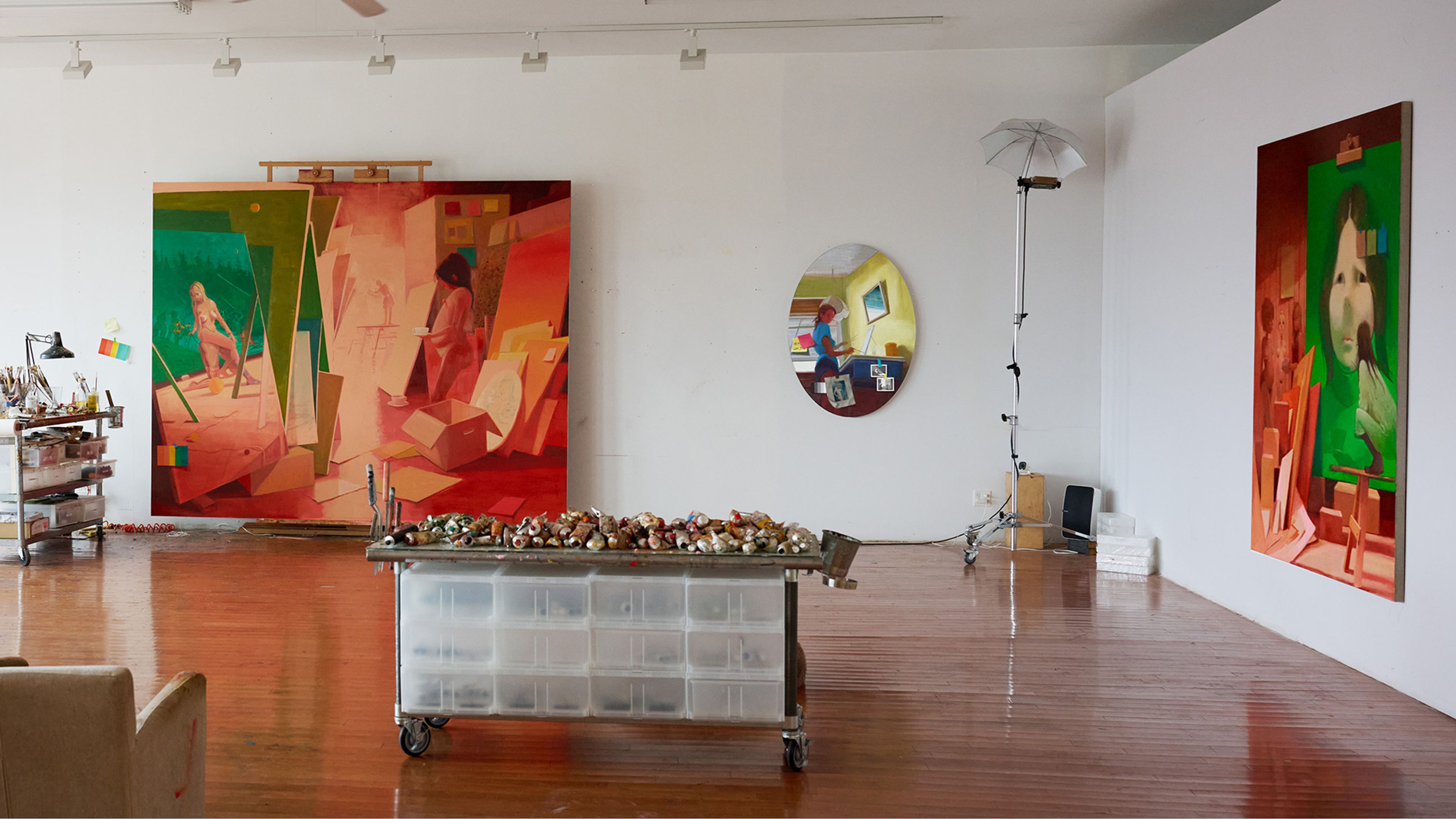
Lisa Yuskavage’s studio, New York, 2026. Photo by Jason Schmidt
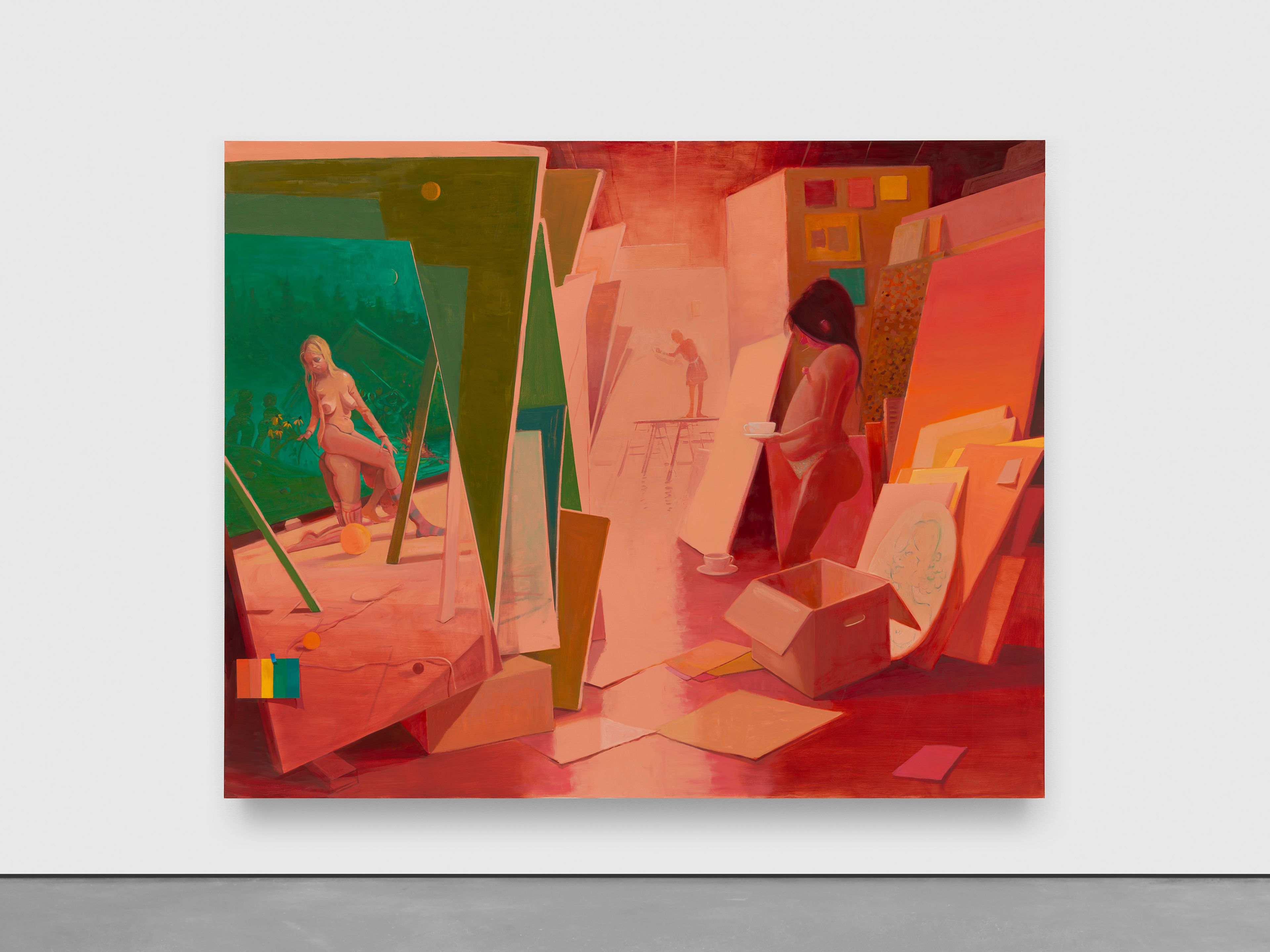
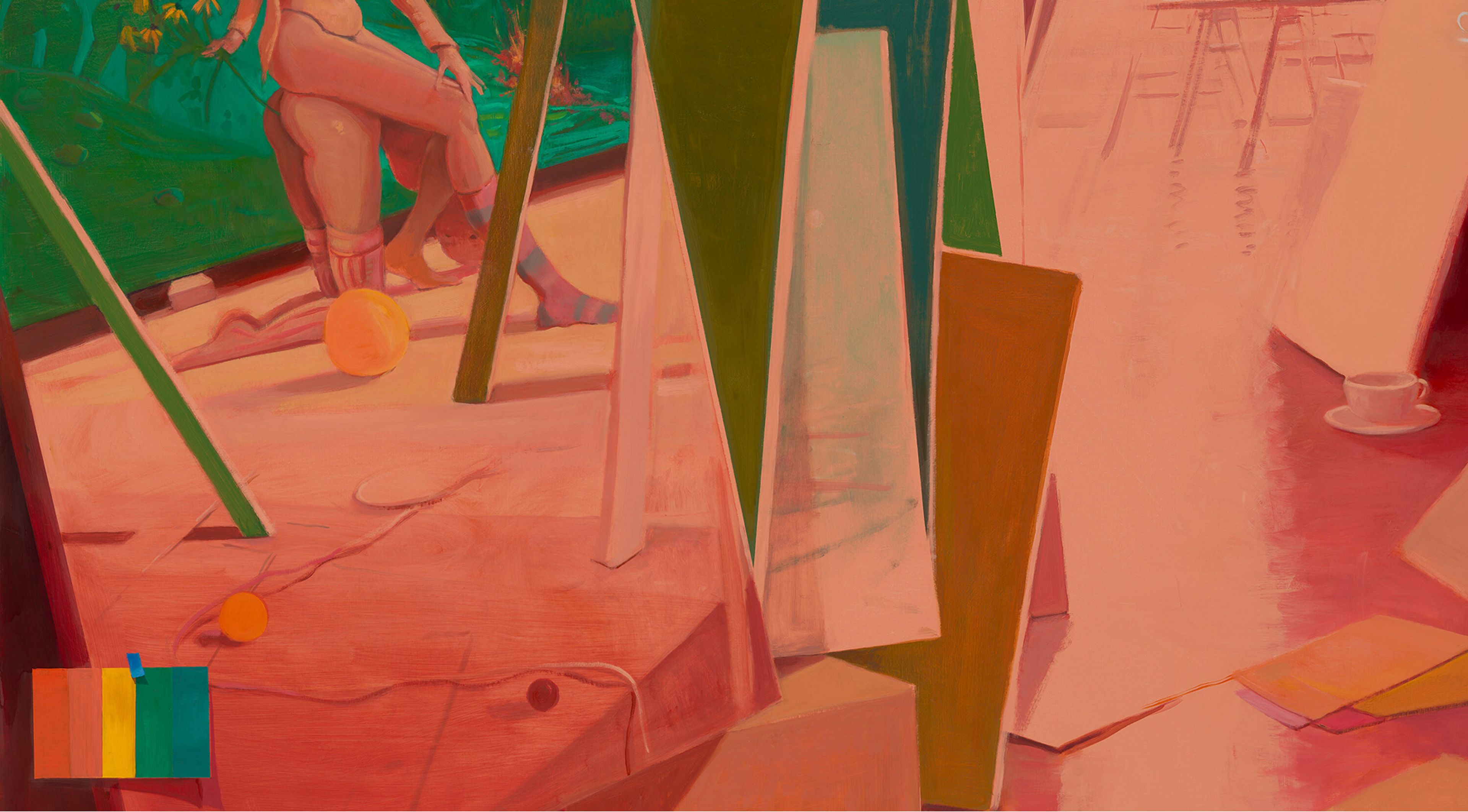
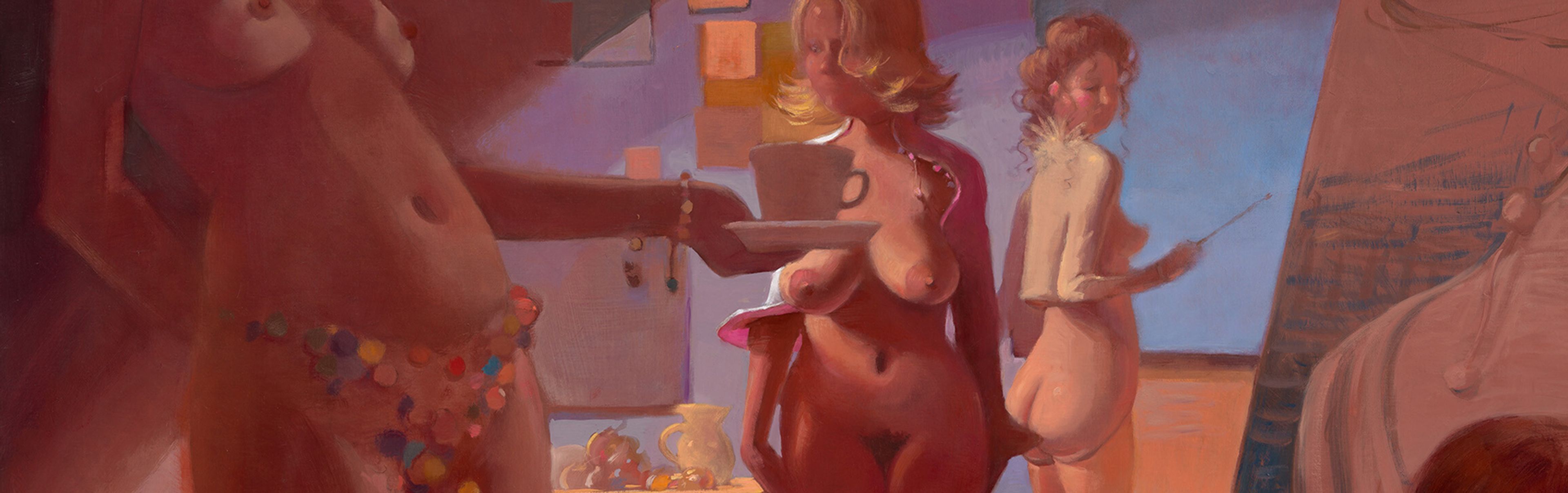
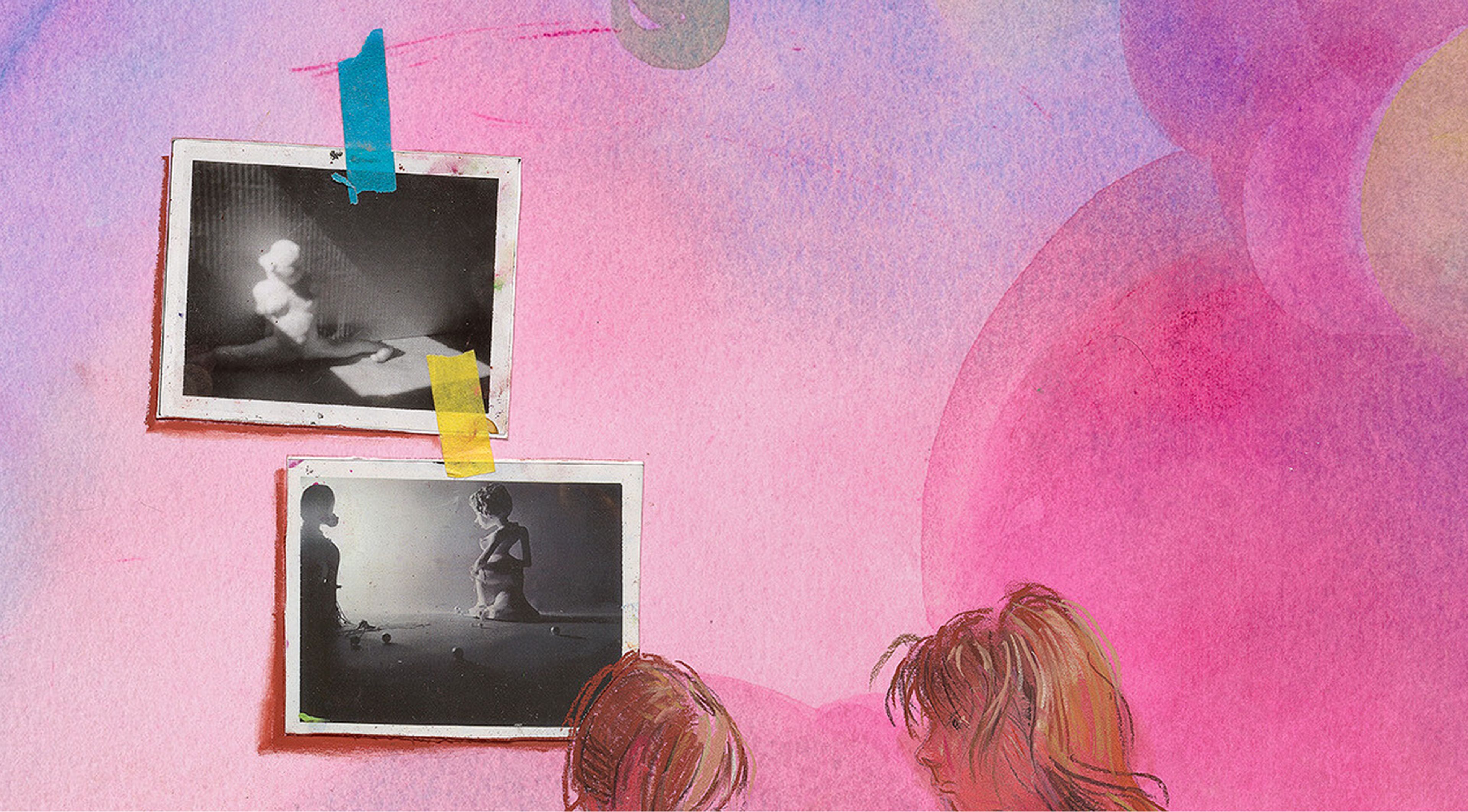
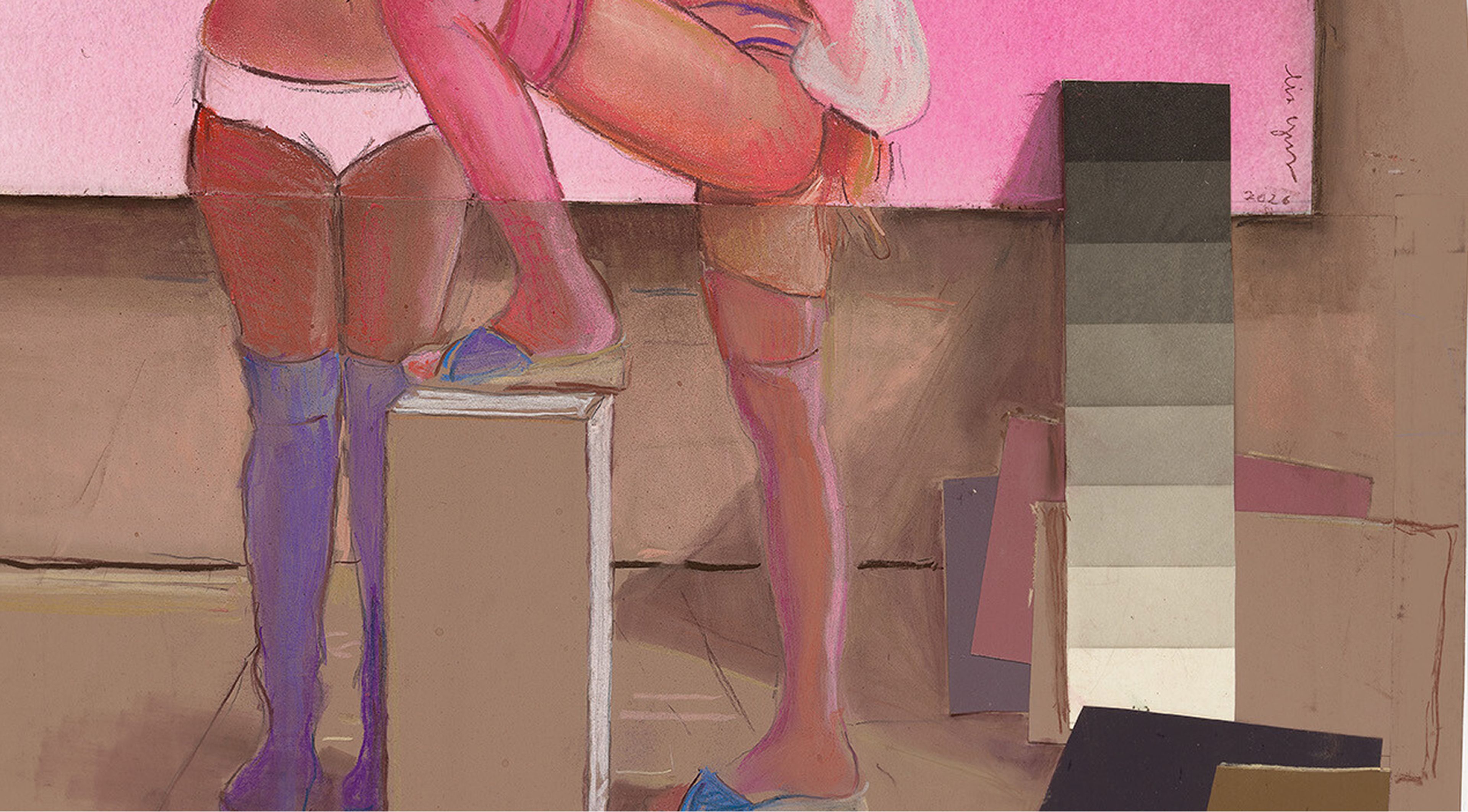
Lisa Yuskavage, Gigantic Studio, Act II, 2026 (detail)
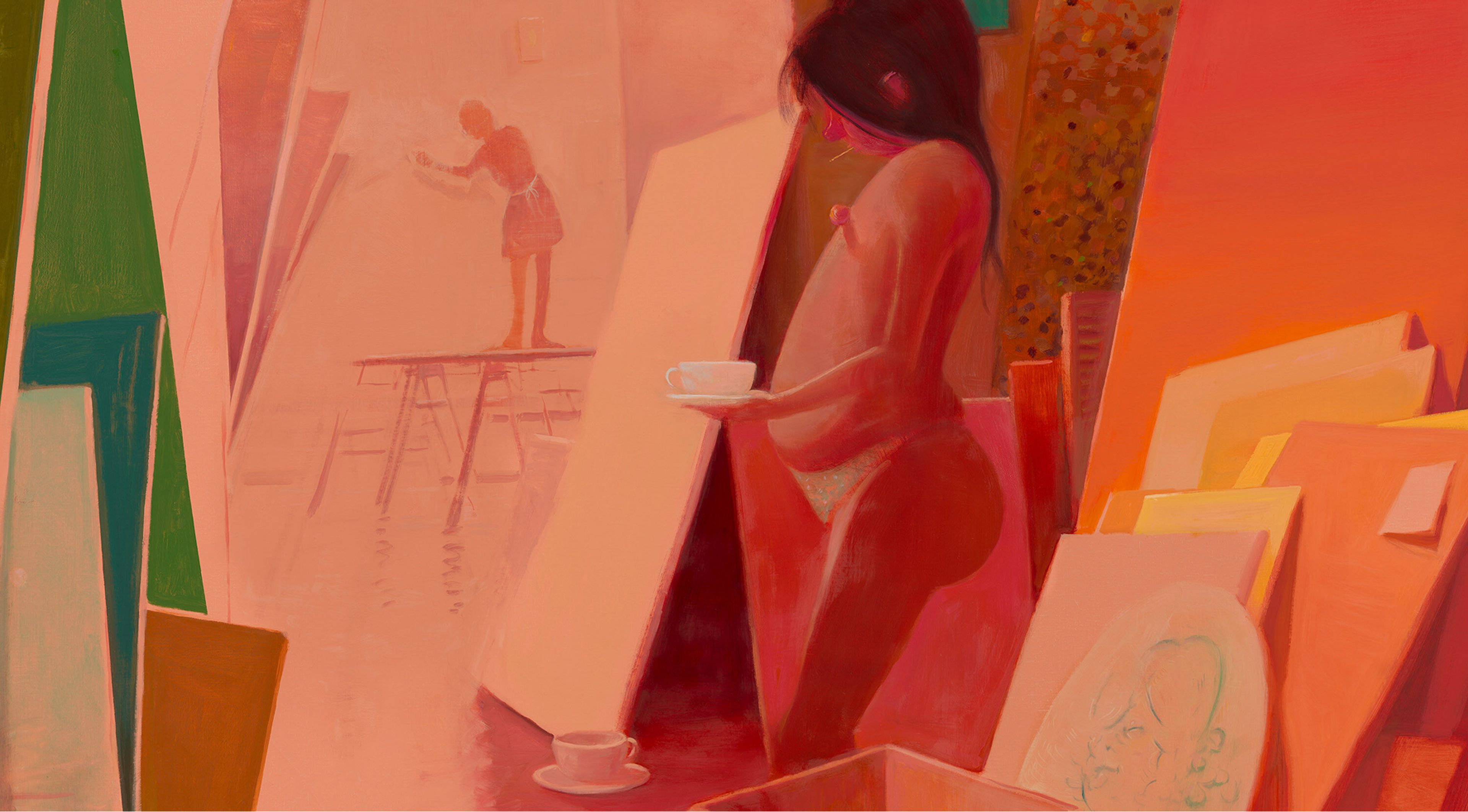
Lisa Yuskavage, Gigantic Studio, Act II, 2026 (detail)
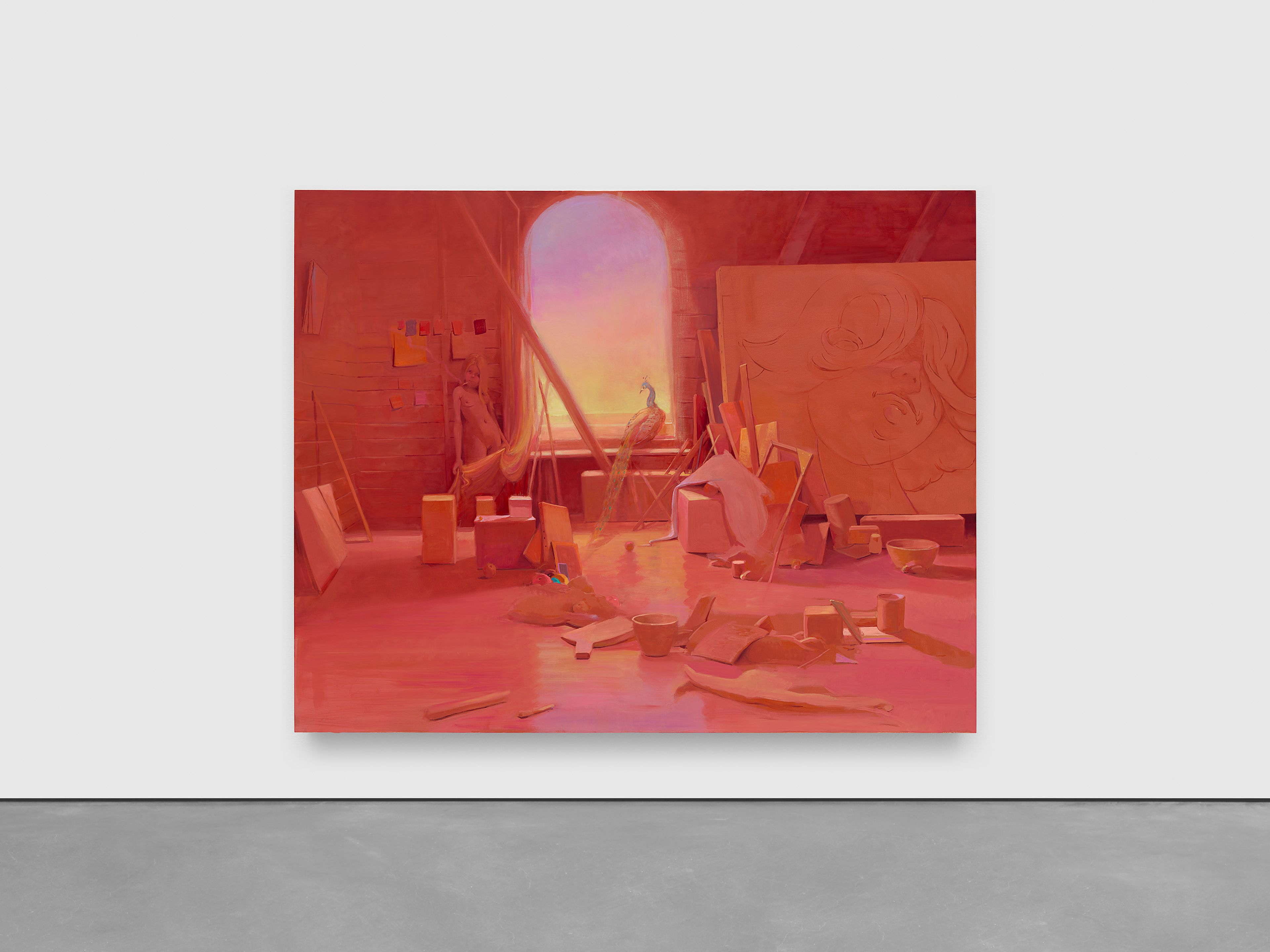
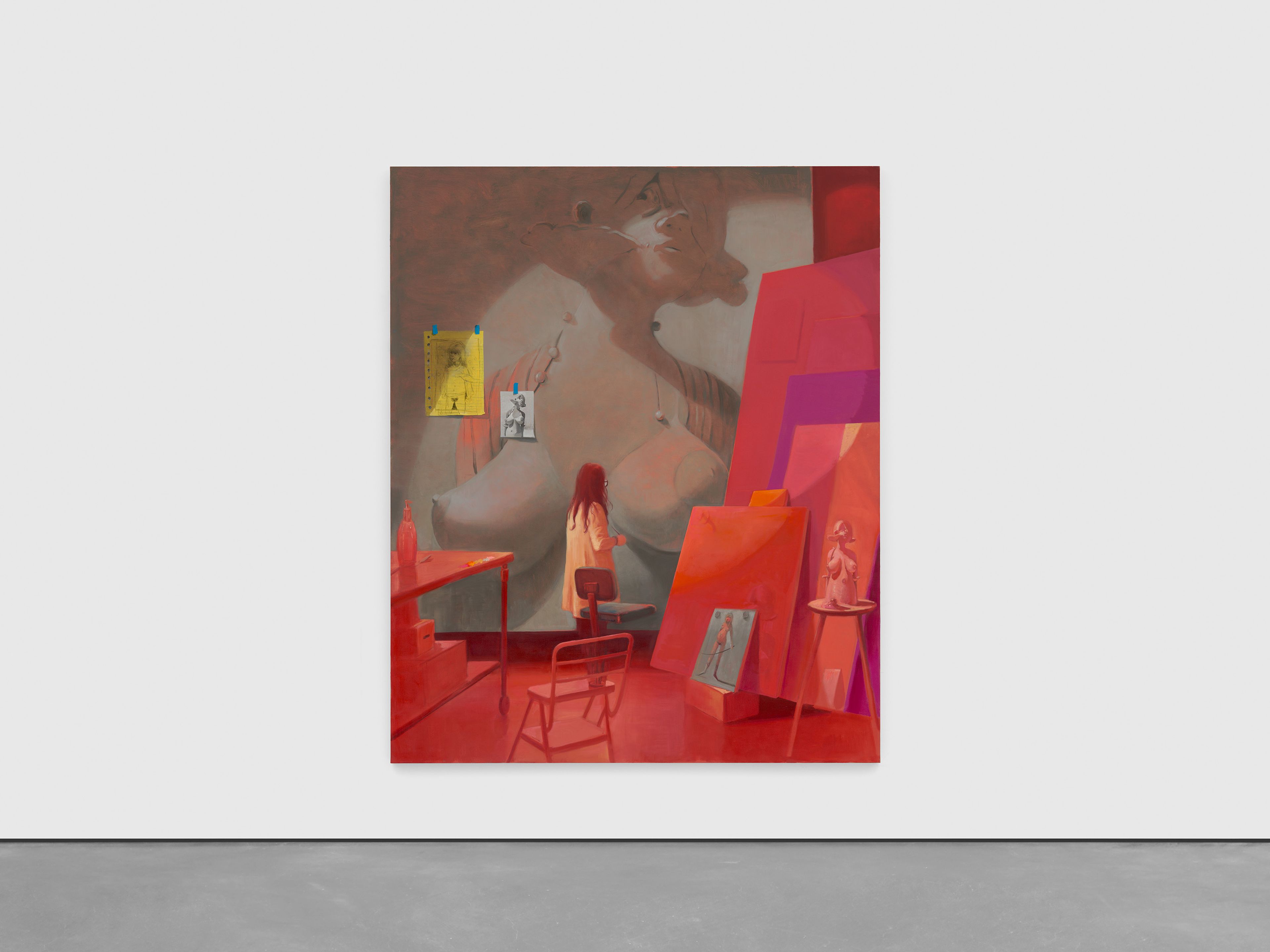
“[Yuskavage’s] works have become much more nuanced in their exploration of self-consciousness, much more indirect. The paintings ... construct a large, self-referential imaginative space that only secondarily or in part seems addressed to us.... And yet I can’t help feeling that, as Yuskavage’s art has developed, the persona of the artist herself has been embodied as an unseen voice, somewhere behind my back, as if I were on the couch, recurrently asking ... ‘And how did you feel about that?’”
—Barry Schwabsky, critic and art historian, in Phaidon’s new monograph, Lisa Yuskavage
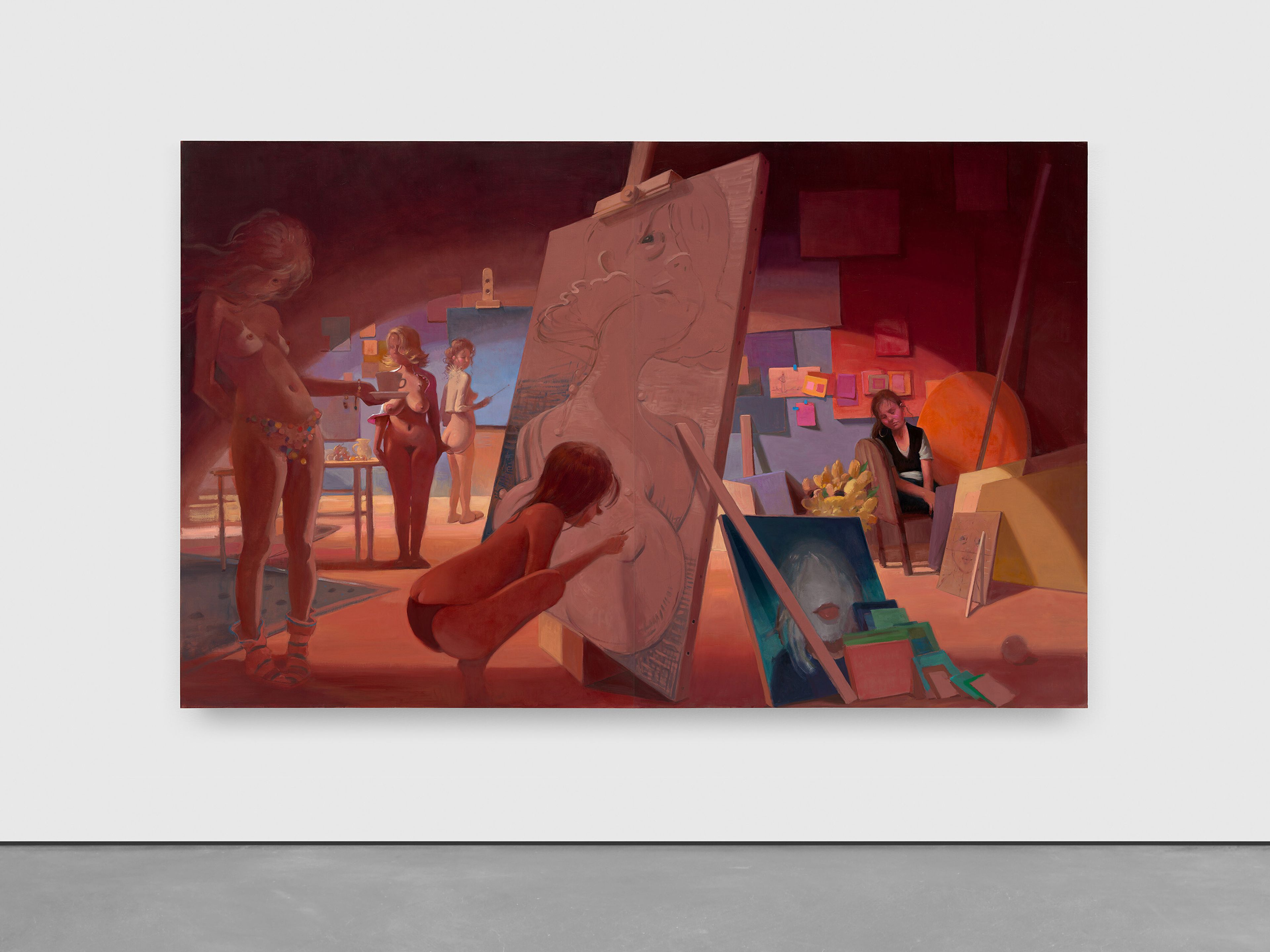
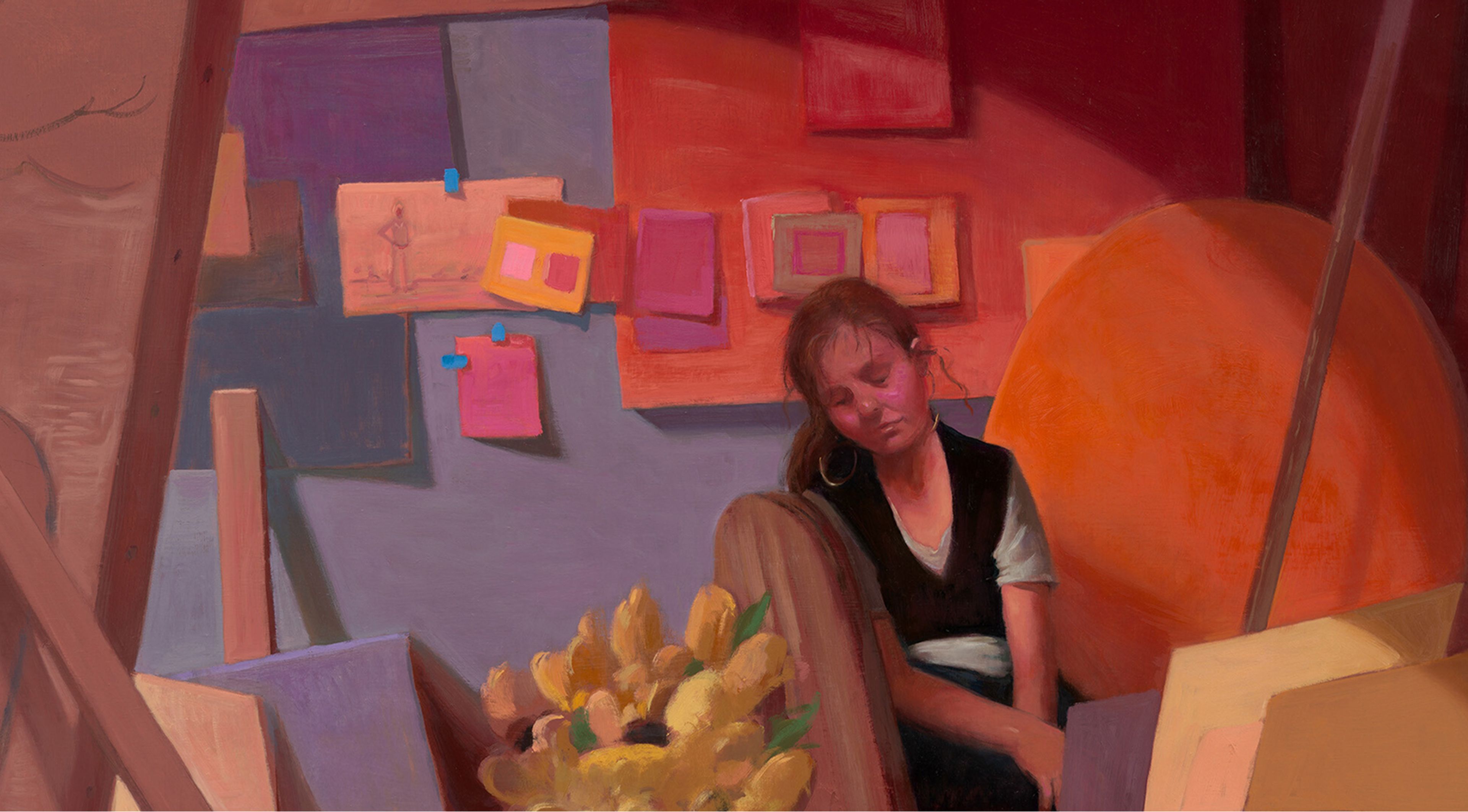
Lisa Yuskavage, The Joy of Painting, 2025 (detail)
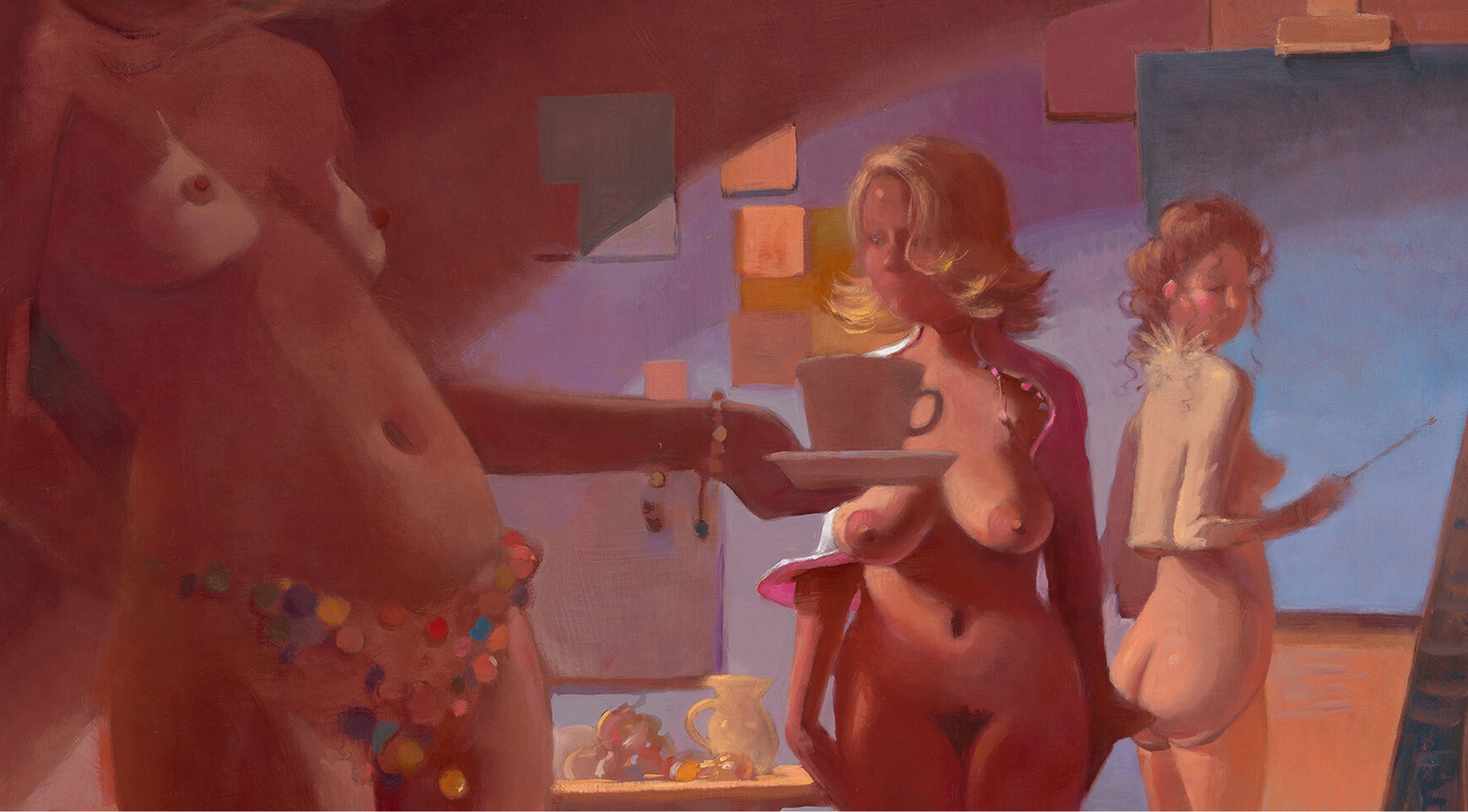
Lisa Yuskavage, The Joy of Painting, 2025 (detail)
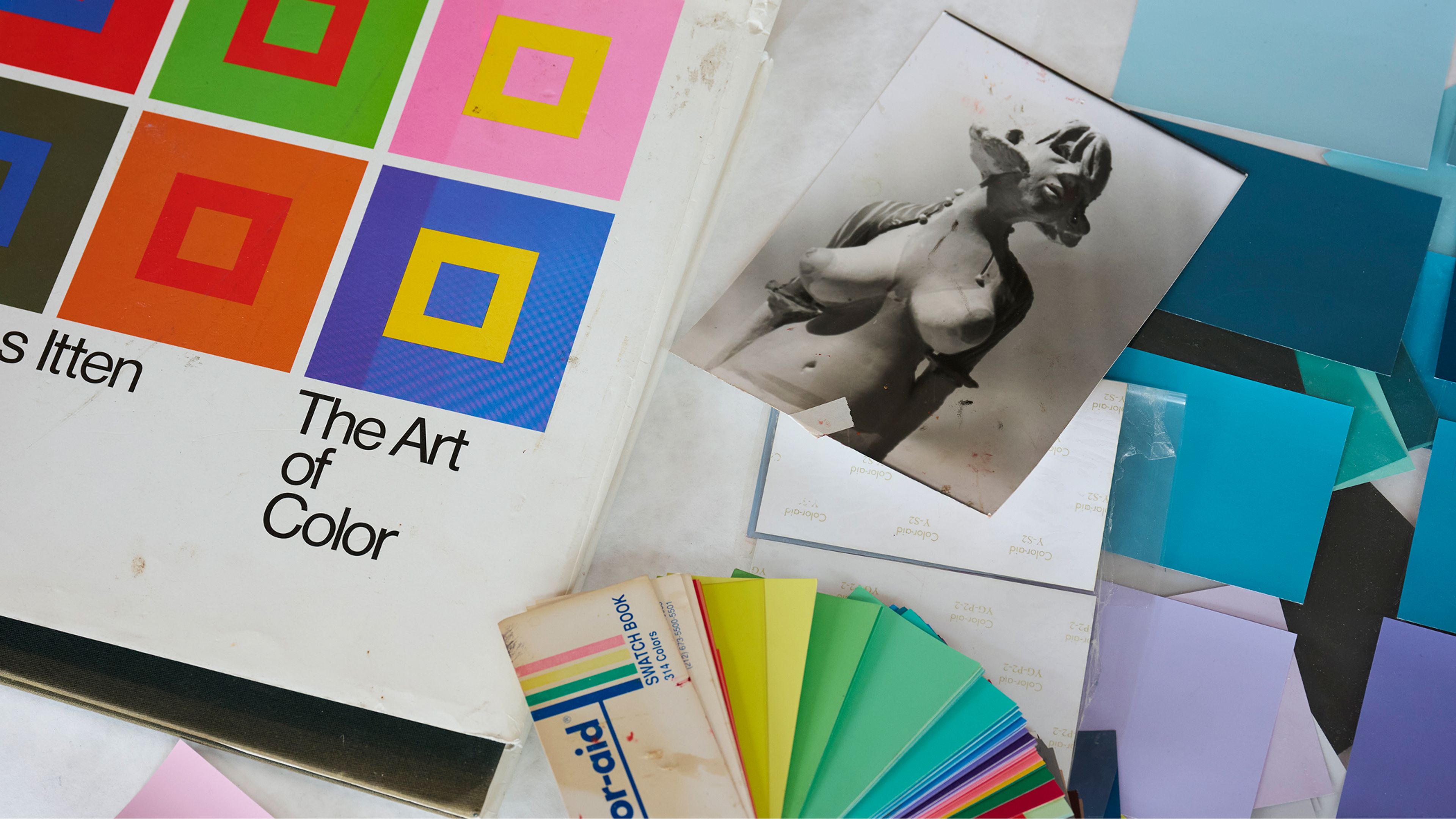
Lisa Yuskavage’s studio, New York, 2026. Photo by Jason Schmidt
“Yuskavage understood that figures from different eras—or dimensions—could be made to meet on the canvas. In the work of Vuillard and Courbet, she saw the pleasures of painting intimacy, of turning color into feeling.”
—Ariel Levy, The New Yorker, 2023
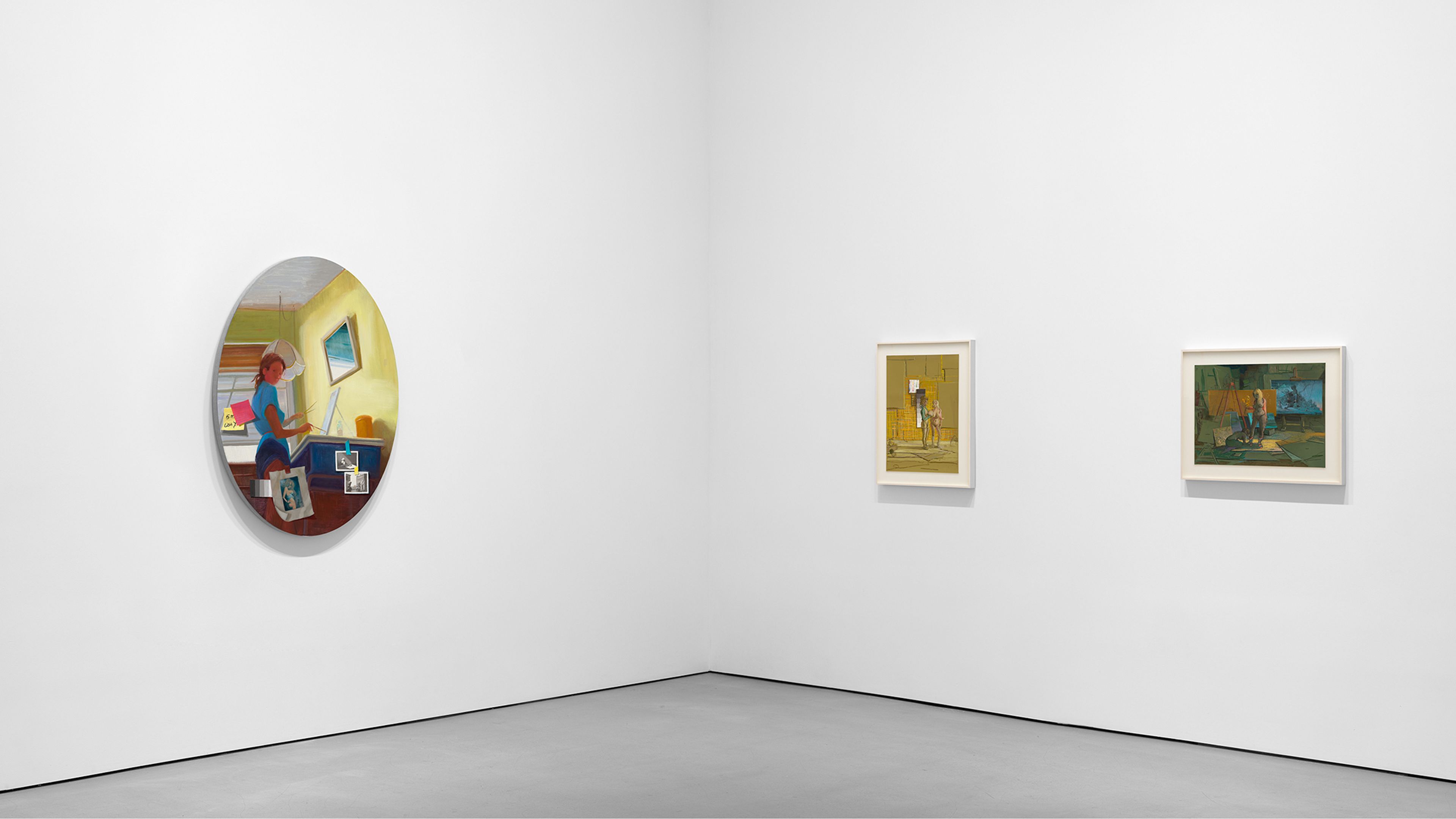
Installation view, Lisa Yuskavage, David Zwirner, New York, 2026
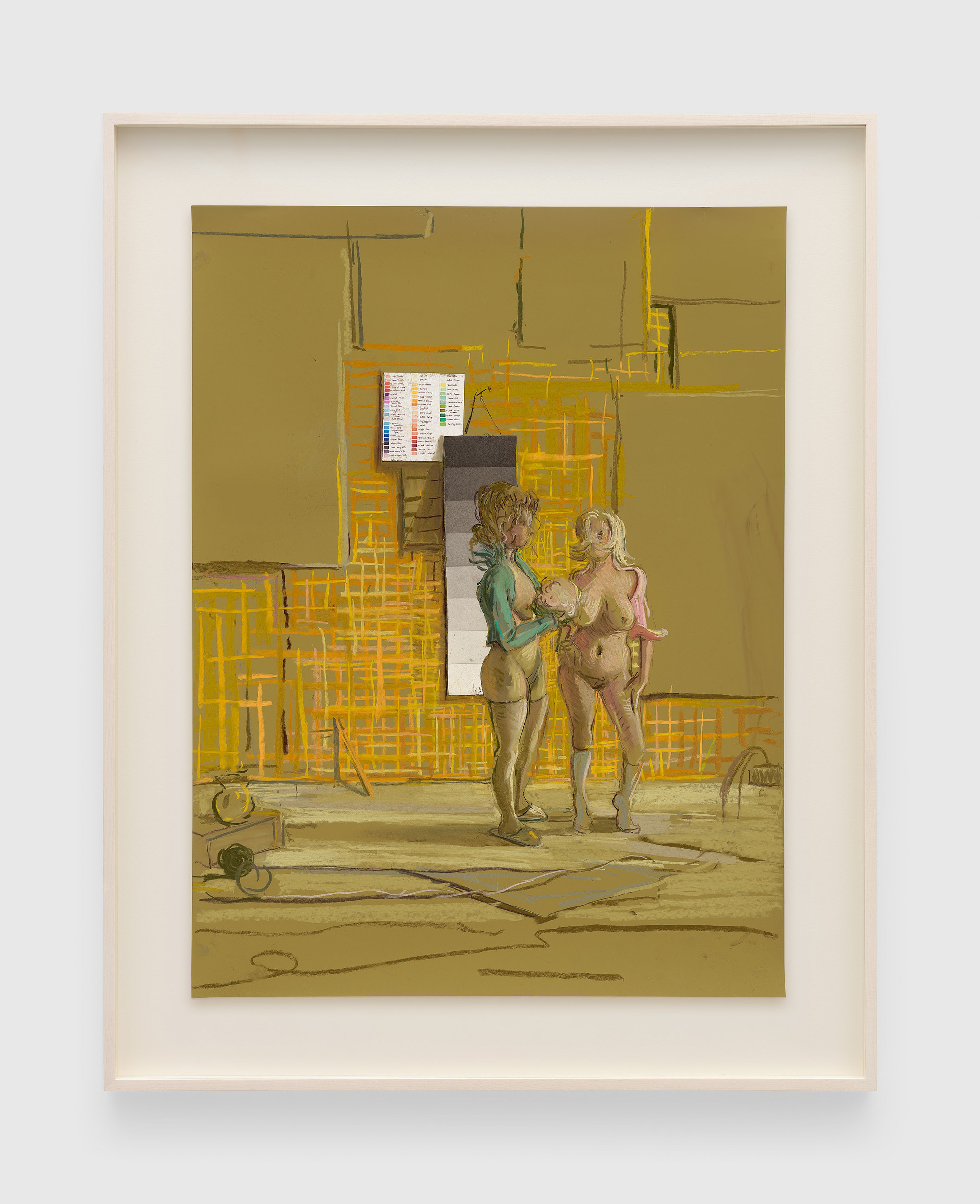
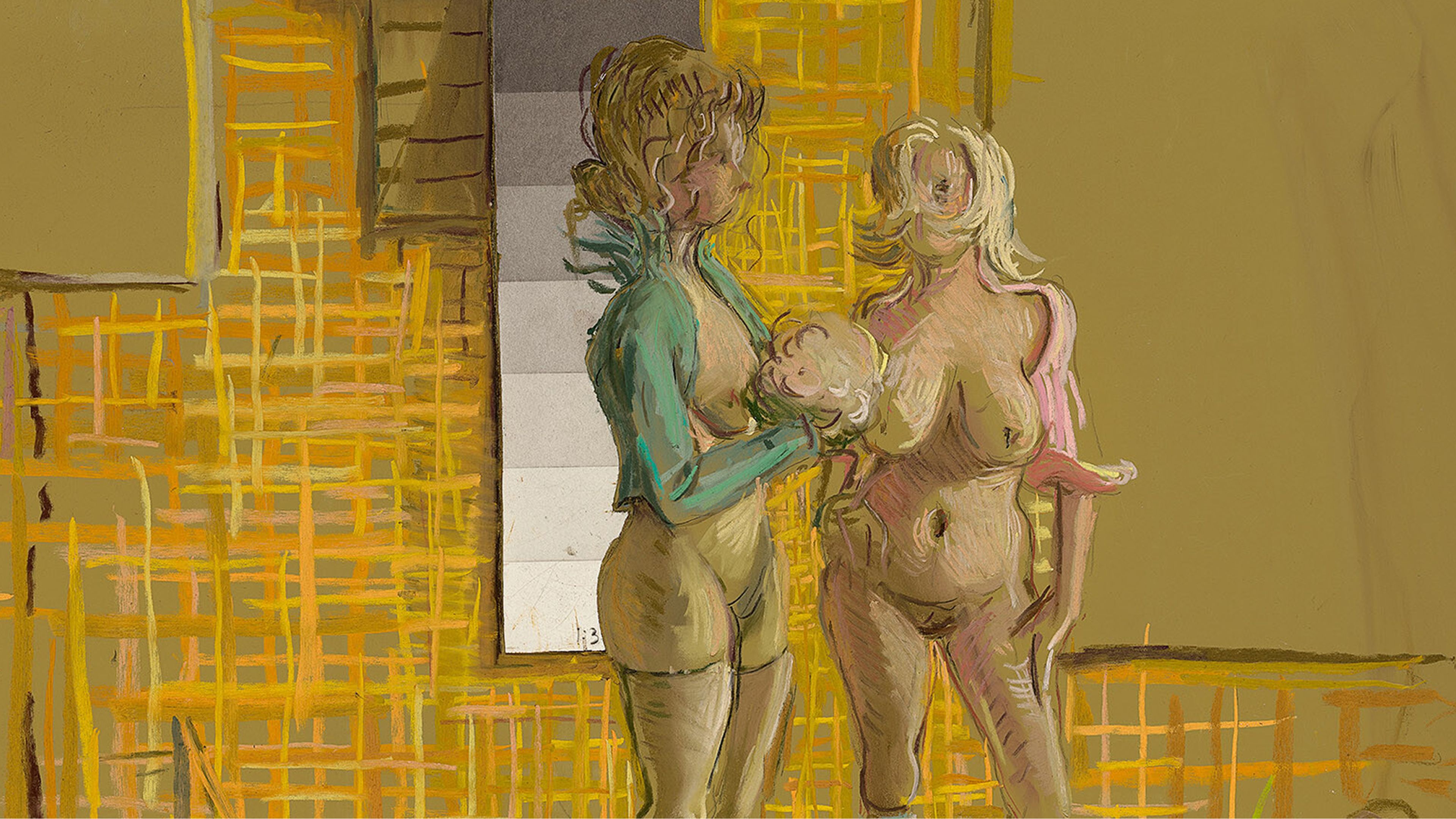
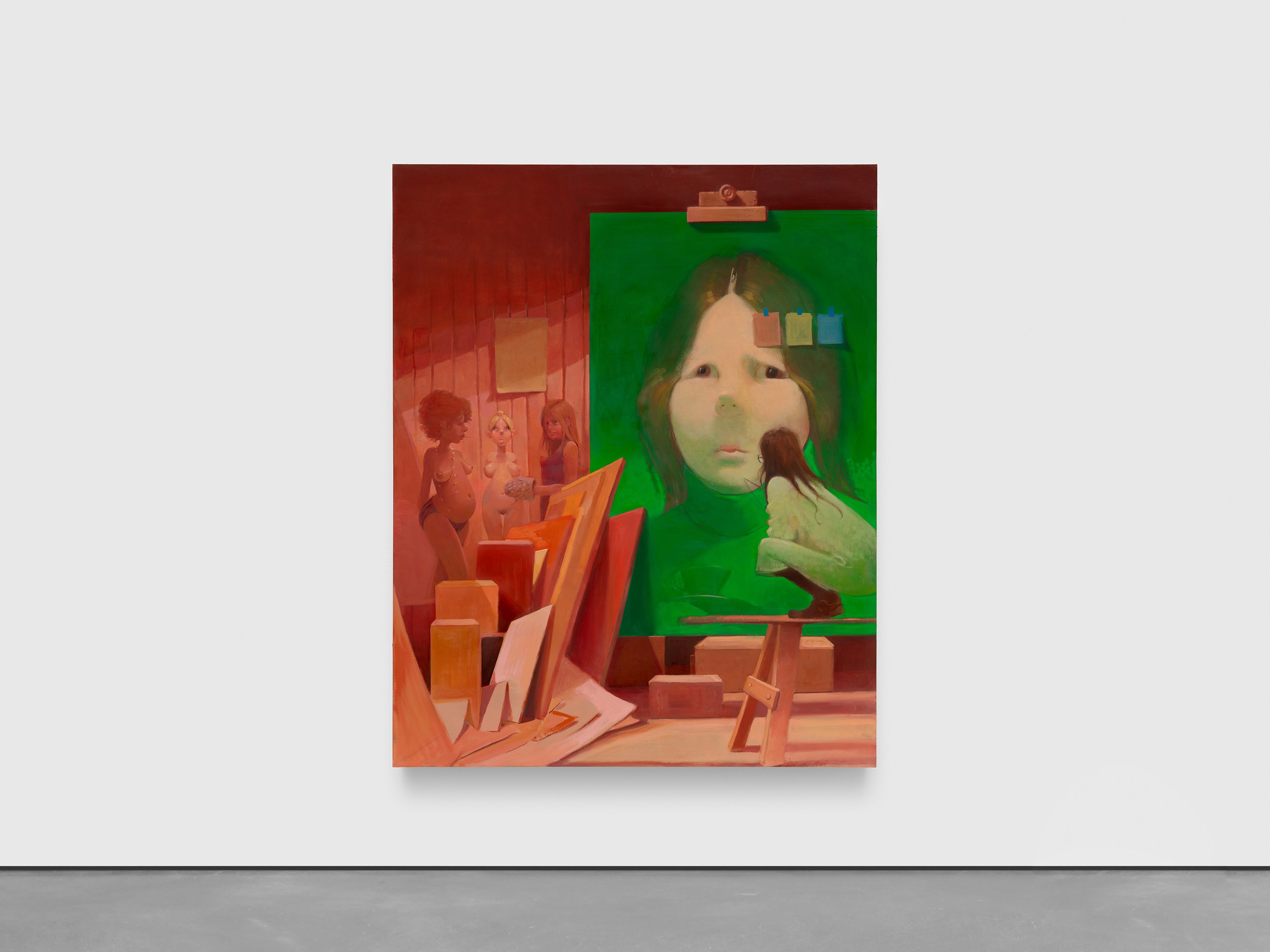
Lisa Yuskavage, Night Classes in Color Theory, Lesson One: Green VII, 2026 (detail)
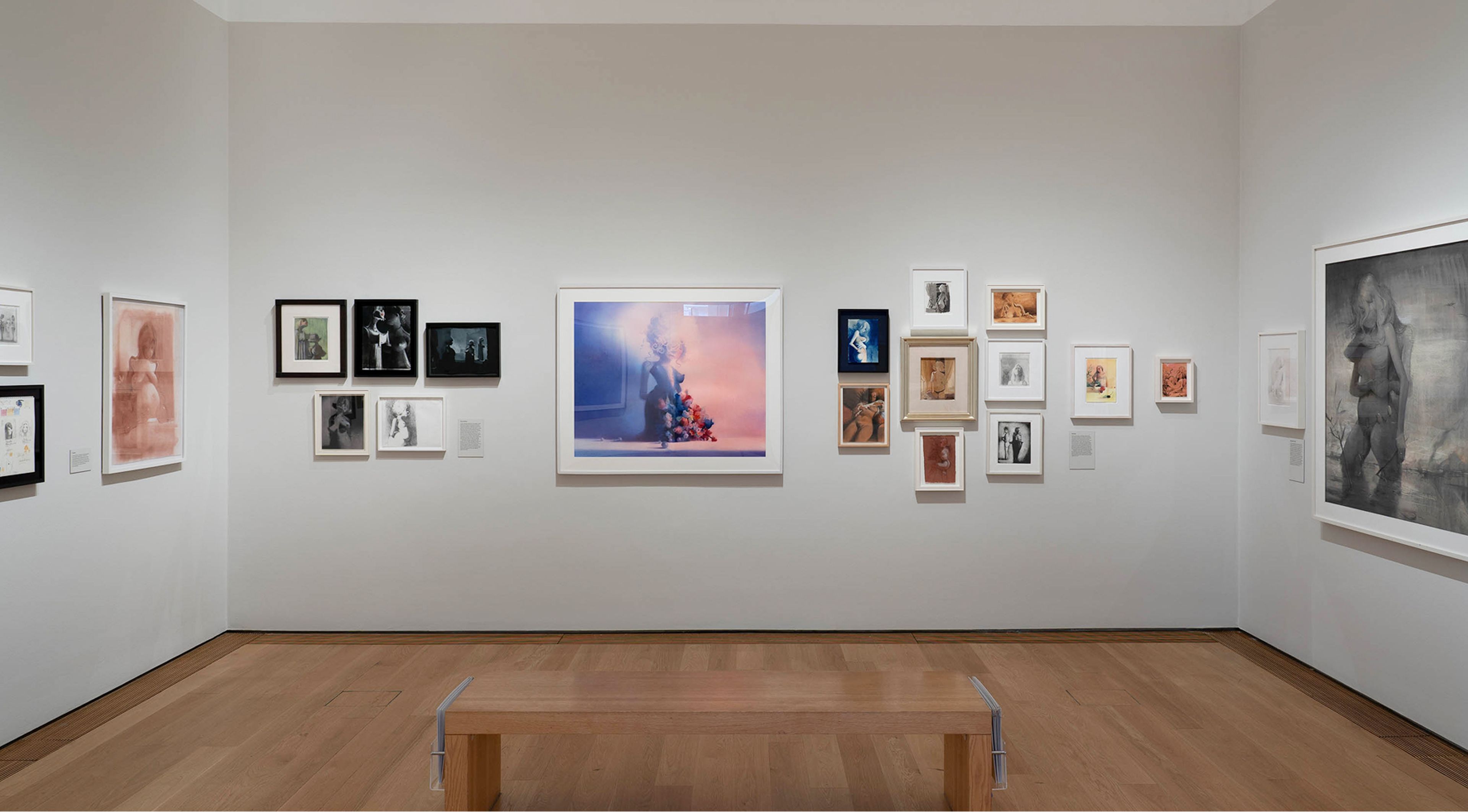
Installation view, Lisa Yuskavage: Drawings, The Morgan Library & Museum, New York, 2025–2026
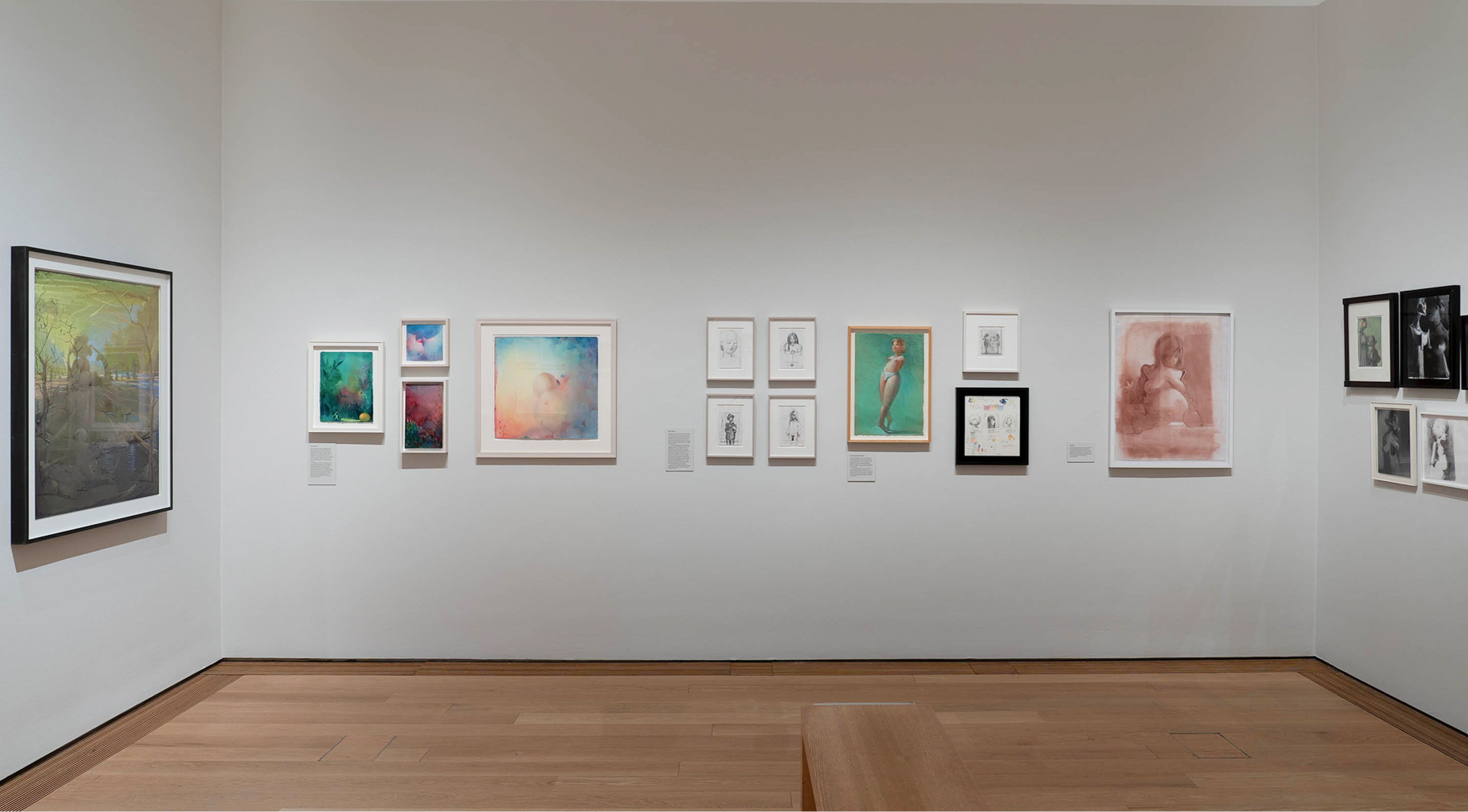
Installation view, Lisa Yuskavage: Drawings, The Morgan Library & Museum, New York, 2025–2026
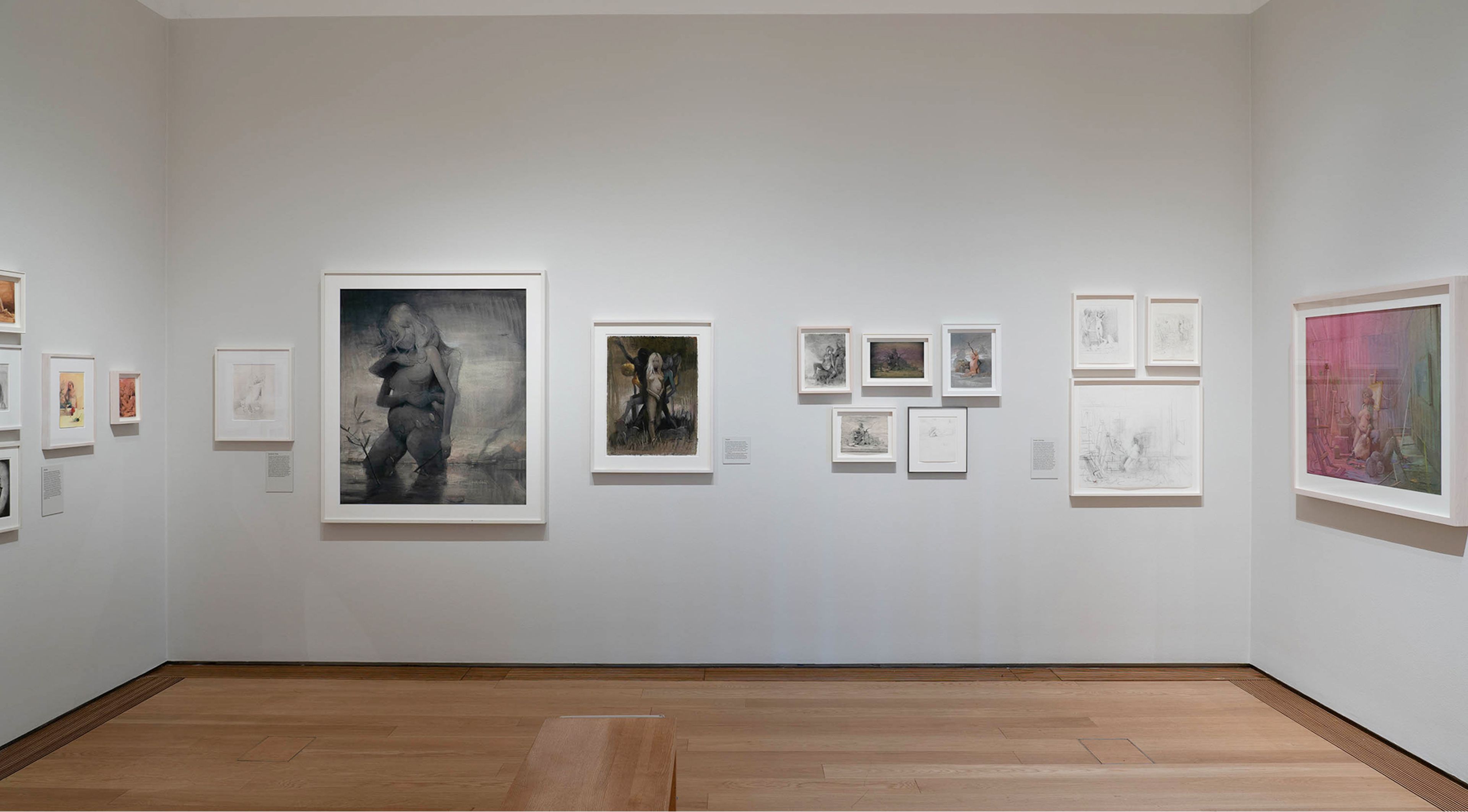
Installation view, Lisa Yuskavage: Drawings, The Morgan Library & Museum, New York, 2025–2026
“[The Morgan is] a perfect—maybe perfectly perverse—context for the figurative painter, famous and infamous for her virtuosic rendering of a queasily beautiful, self-consciously vulgar, and often funny world of desire and desolation. With absinthe or Kool-Aid skies, cadmium sunlight, pastel poly-satin, neon in deep shadow, and girls, girls, girls, Yuskavage tells the story of the nude in Western art like a dream excavation of haunted smut and the interior lives of model-muses.”
—Johanna Fateman, Cultured, 2025
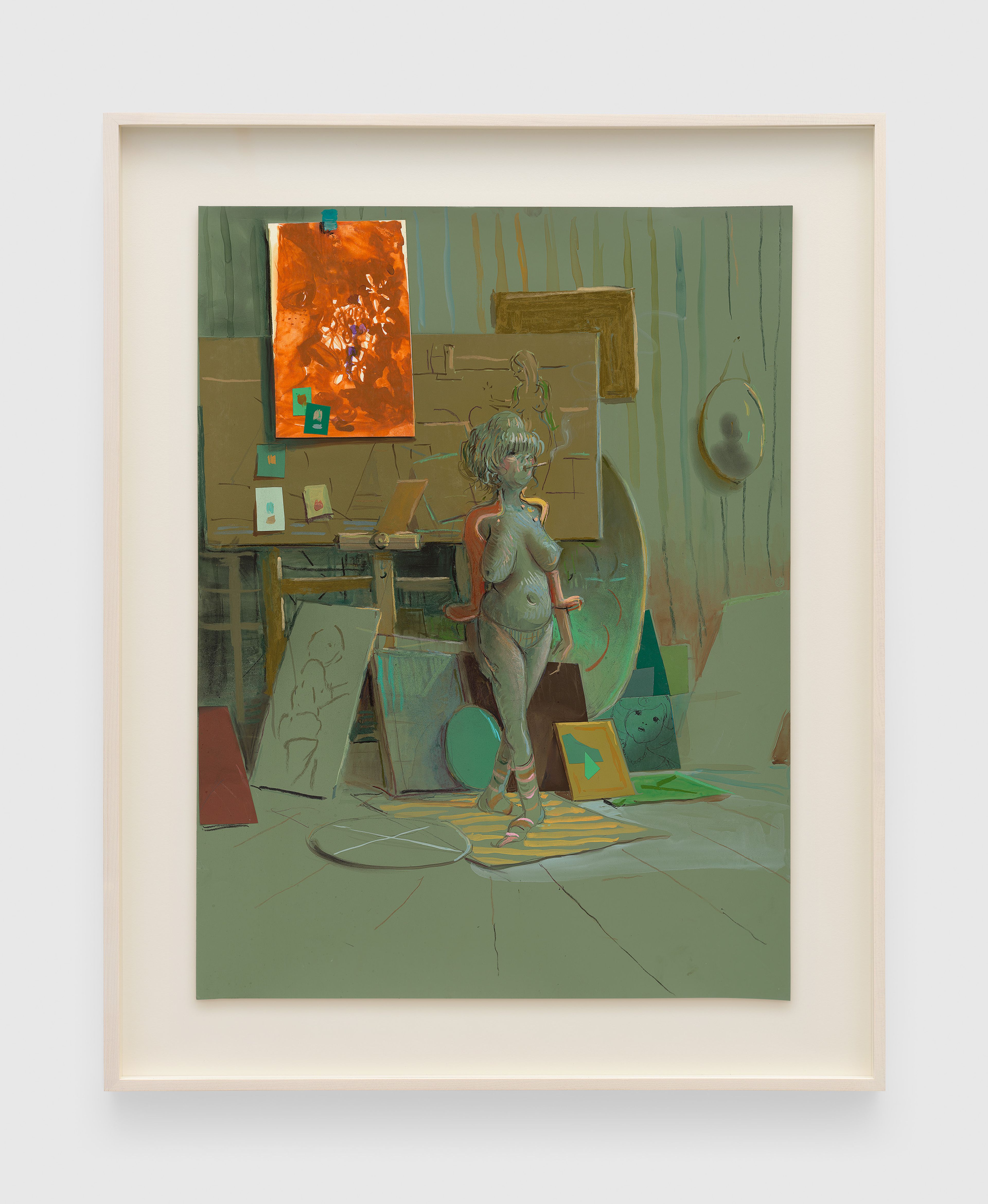
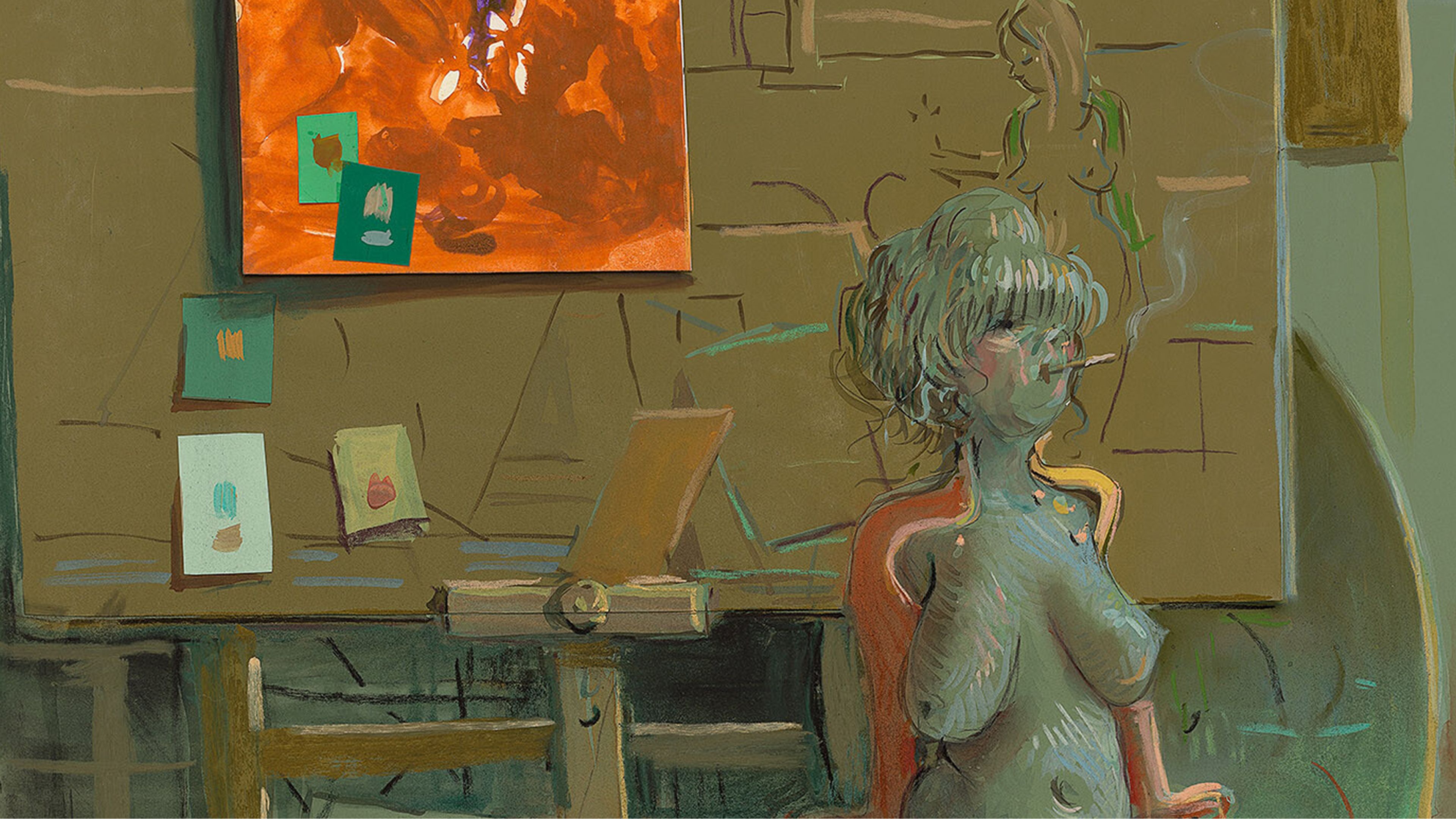
Lisa Yuskavage, Night Classes in Color Theory, Lesson One: Green V, 2026 (detail)
“Whether she is exploring light through ink washes or staging maquettes in the mode of Tintoretto, Yuskavage is one of the most attentive and technically proficient interpolators of classical technique working today—a fact that she consistently undercuts with her libidinally exaggerated subjects.”
—Nolan Kelly, The Brooklyn Rail, 2025
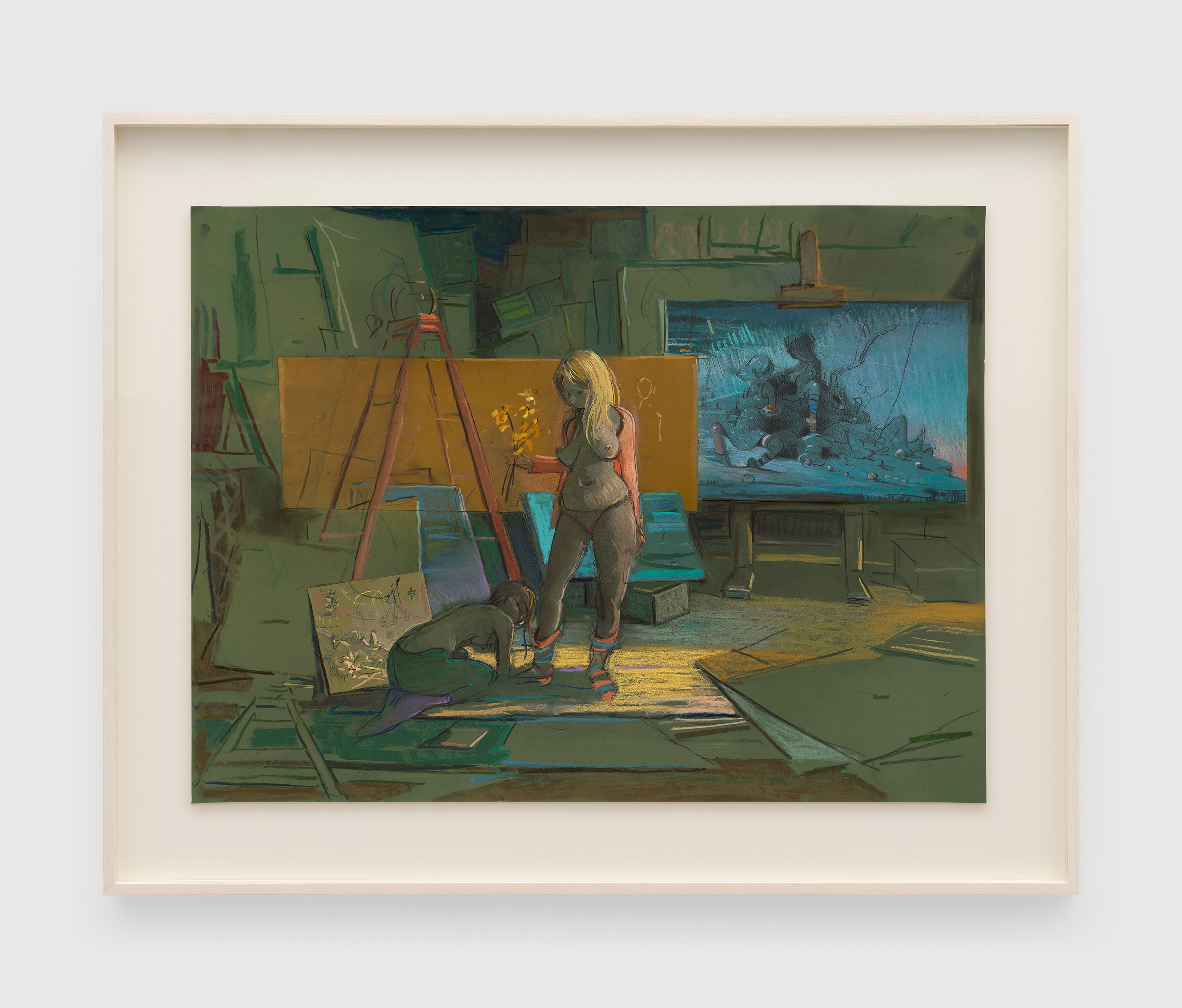
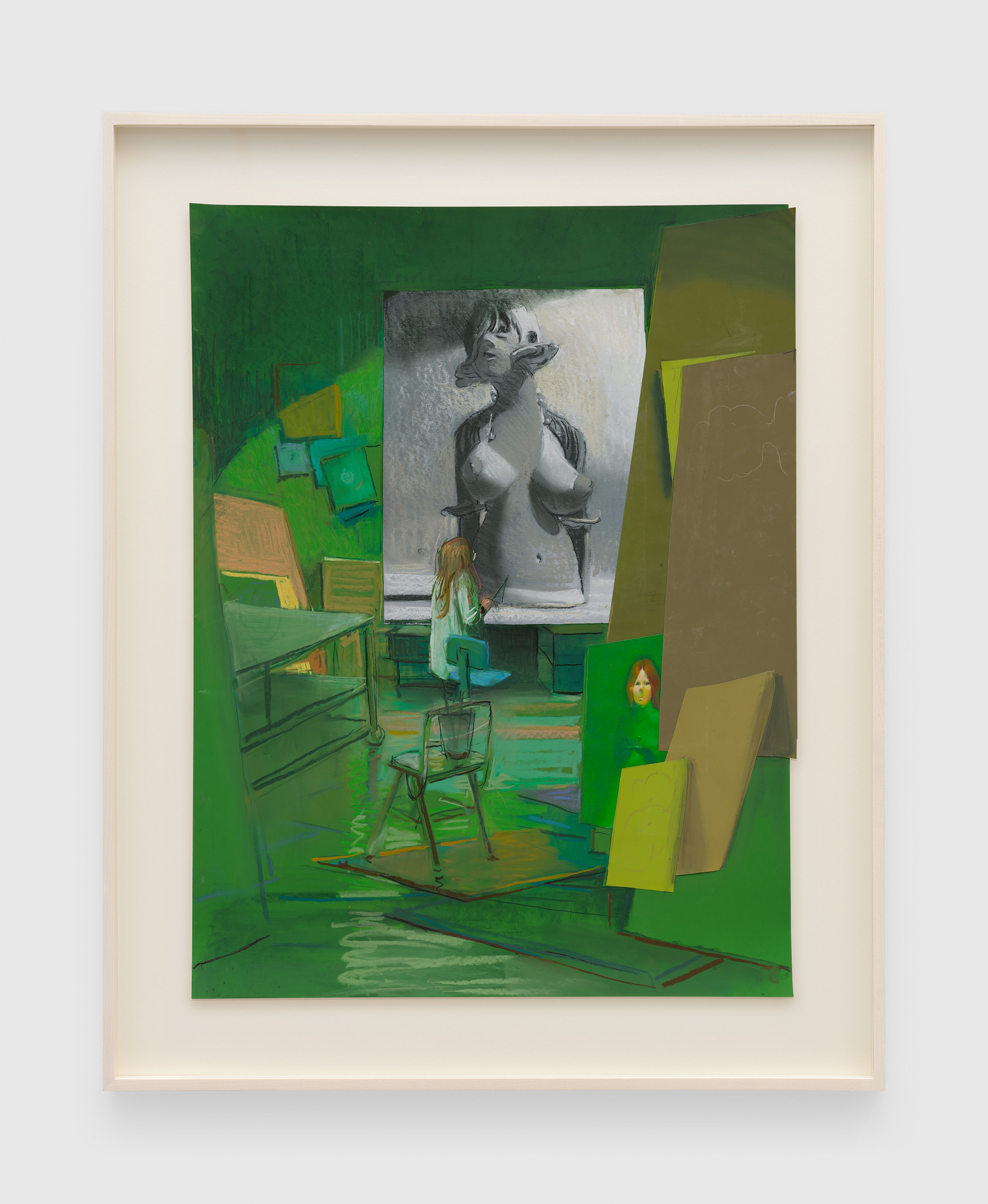
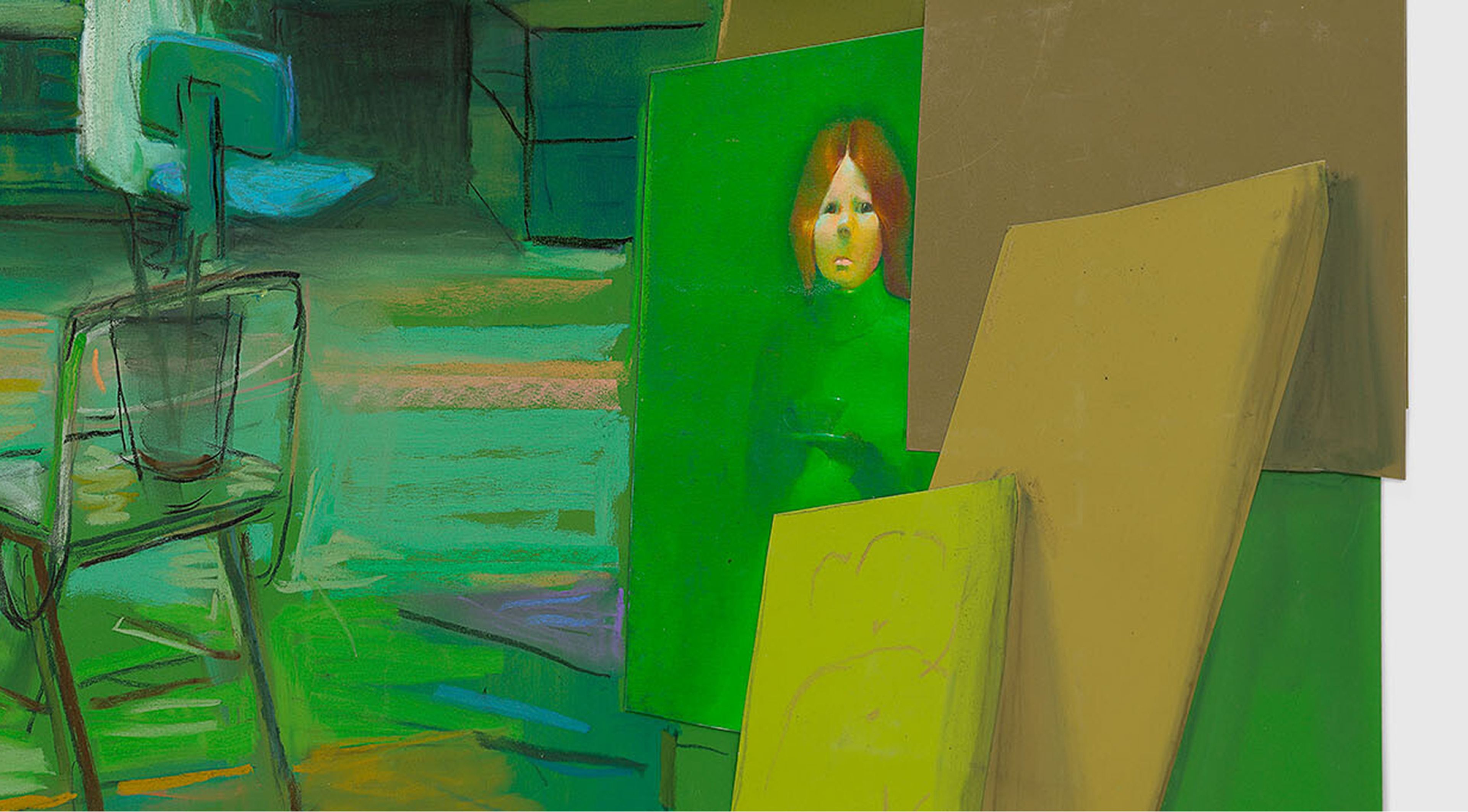
Lisa Yuskavage, Night Classes in Color Theory, Lesson One: Green VI, 2026 (detail)
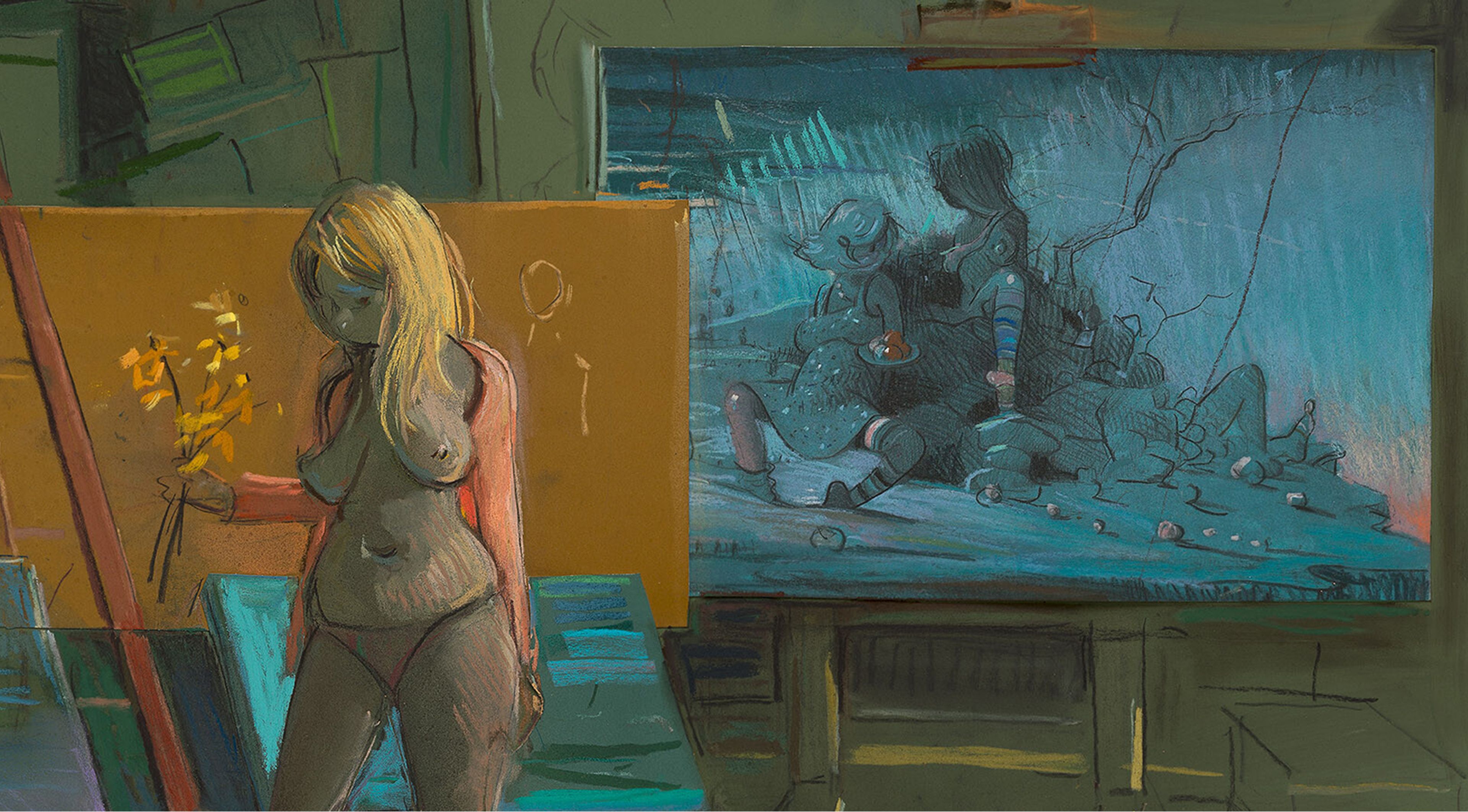
Lisa Yuskavage, Night Classes in Color Theory, Lesson One: Green VI, 2026 (detail)
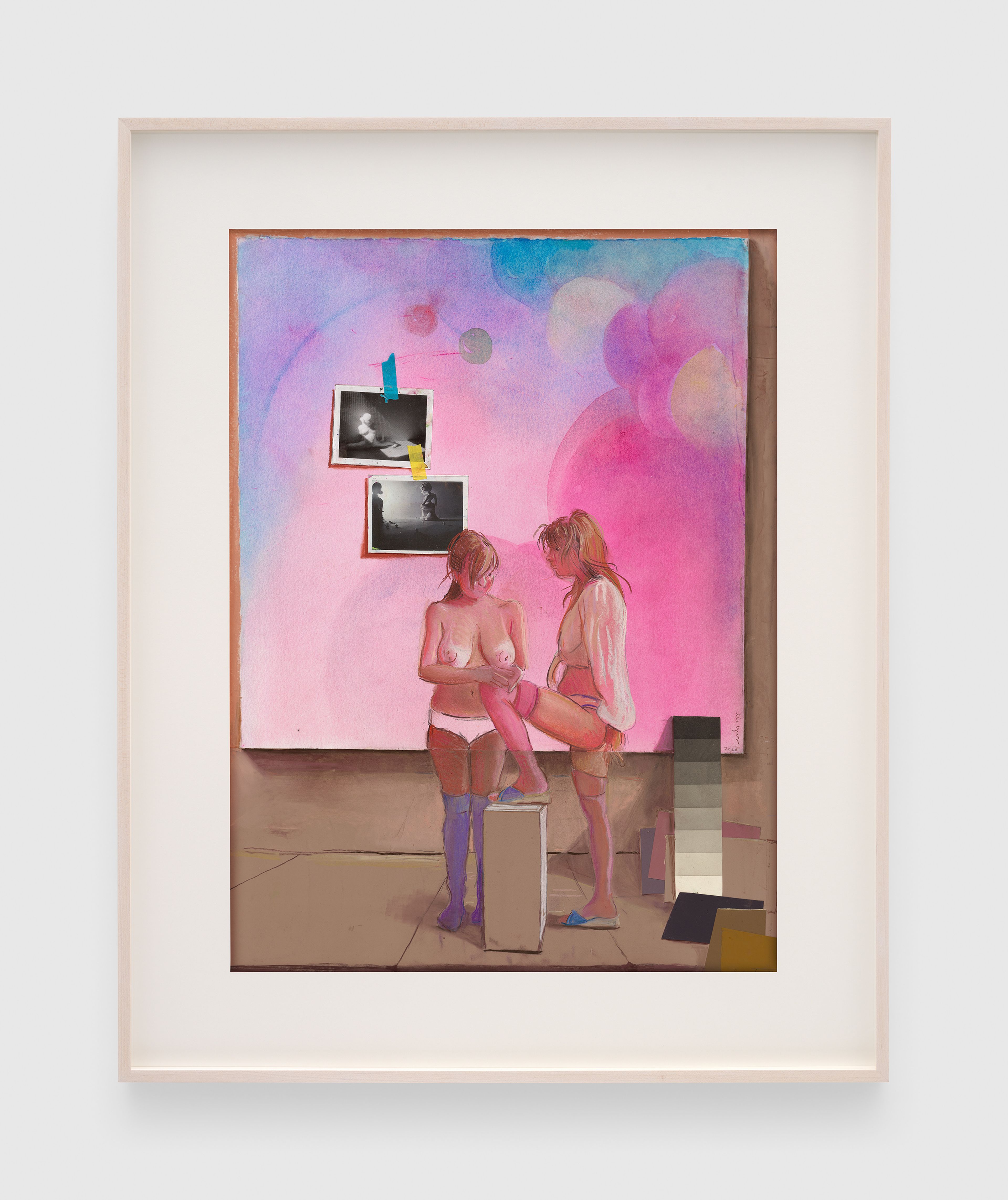
“There’s just been this search that I’ve had for so many years: how to create color as air or atmosphere. So I’ve been experimenting in many media.... Over the time of experimenting and working with all these different processes, I stumbled upon ways to carry pieces of what I’d learned from each.”
—Lisa Yuskavage in conversation with Ariel Levy in Lisa Yuskavage (Phaidon, 2025)
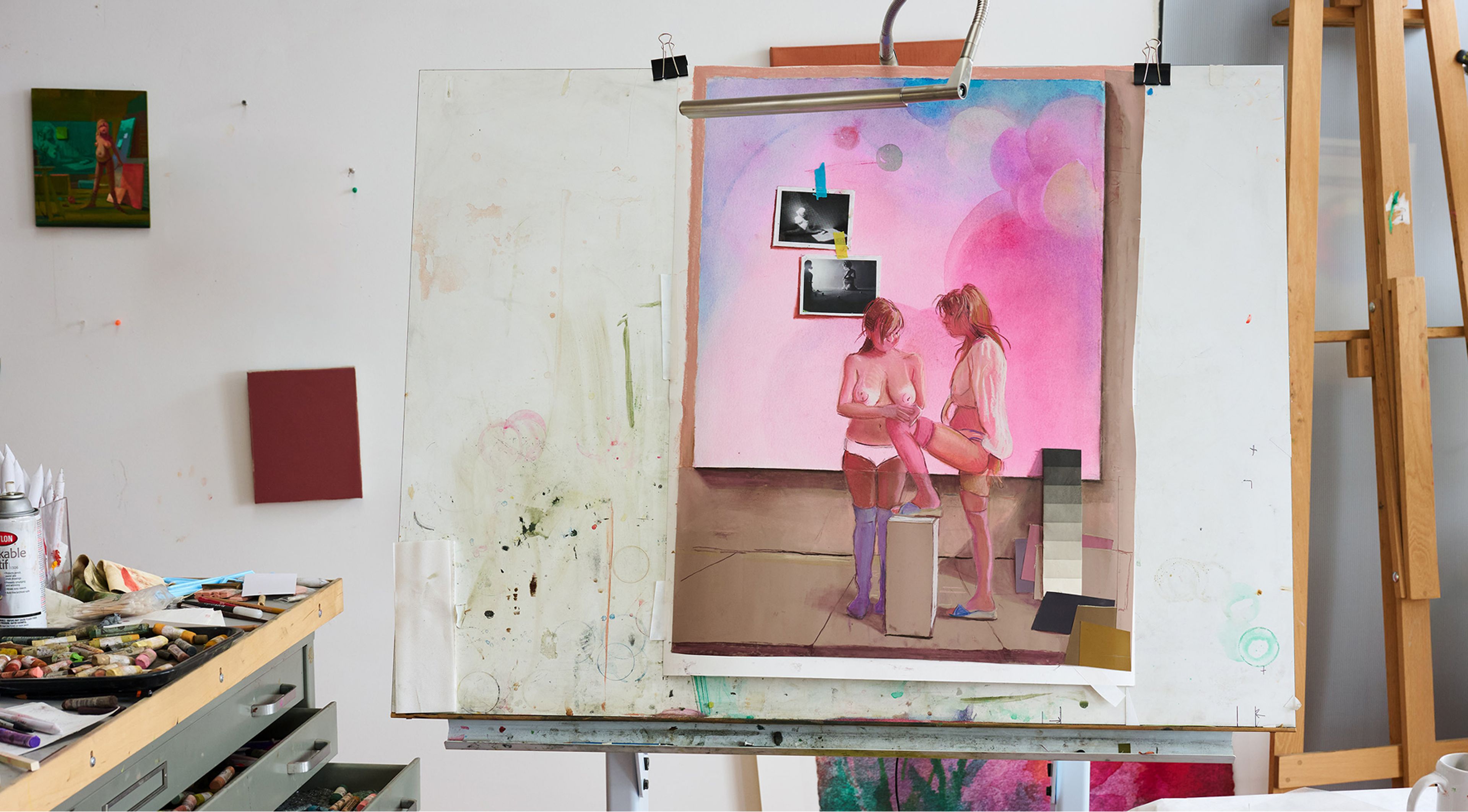
Lisa Yuskavage’s studio, New York, 2026. Photo by Jason Schmidt
Lisa Yuskavage, The Lesson, 2026 (detail)
Lisa Yuskavage, The Lesson, 2026 (detail)
Installation view, Lisa Yuskavage, David Zwirner, New York, 2026
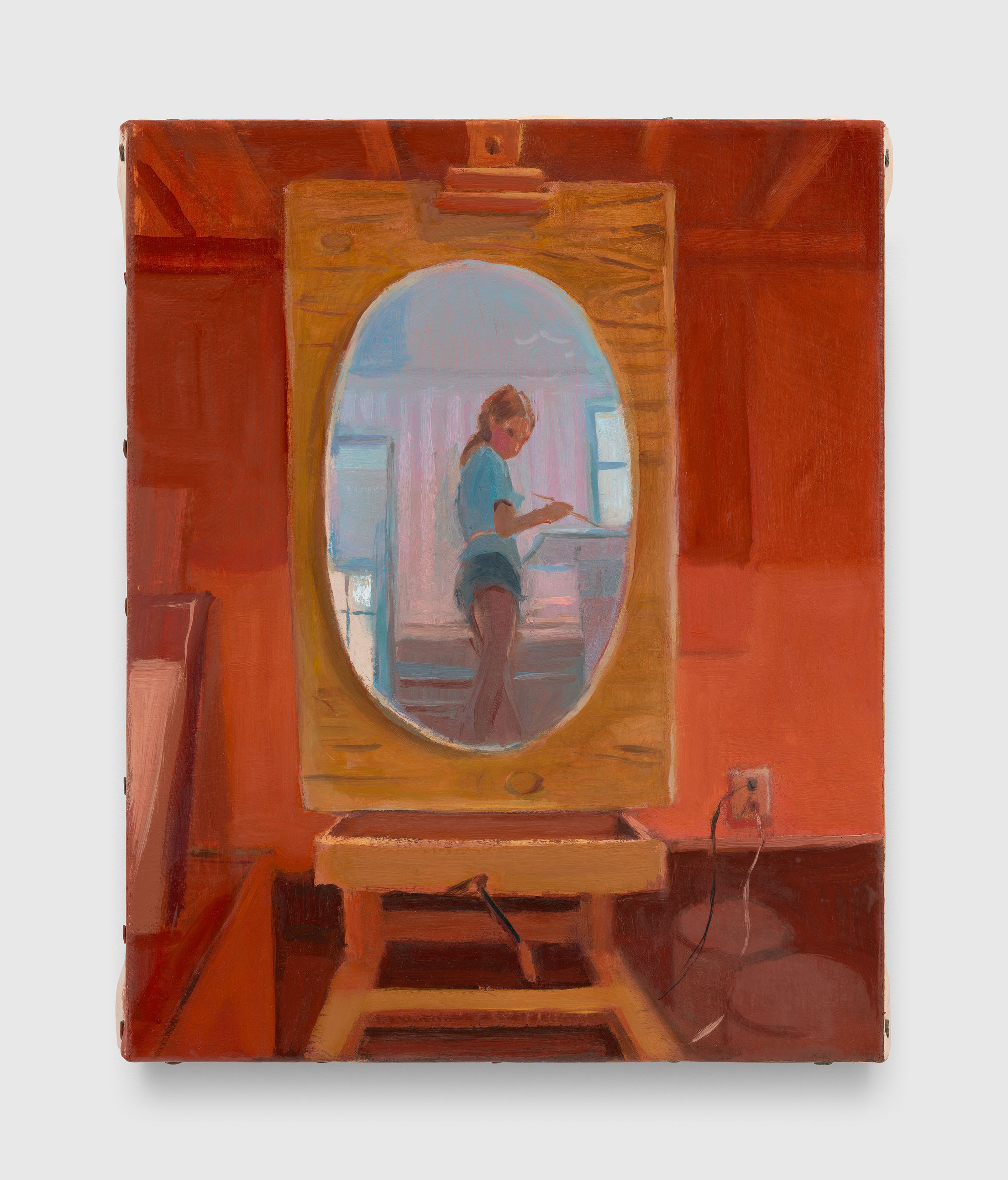
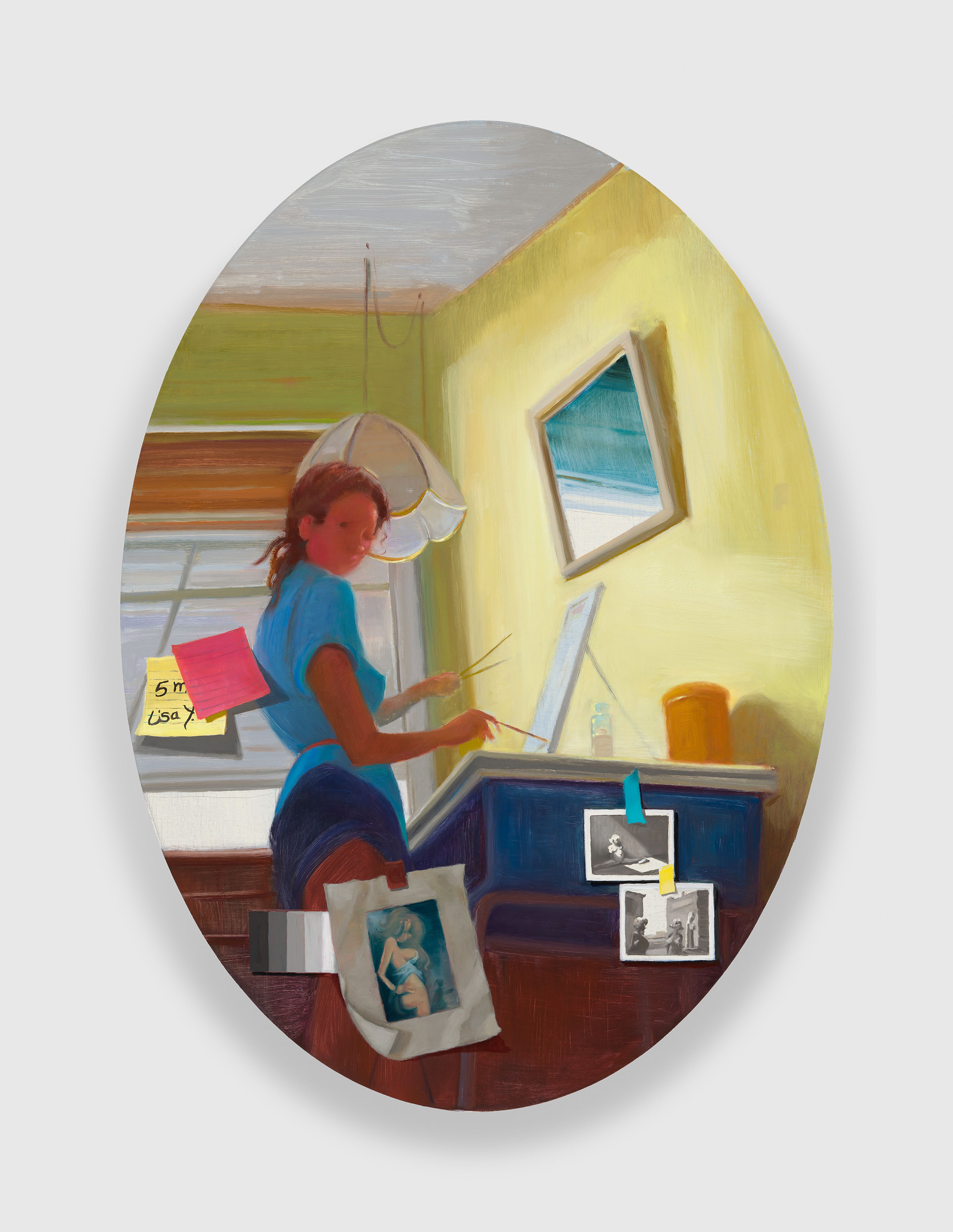
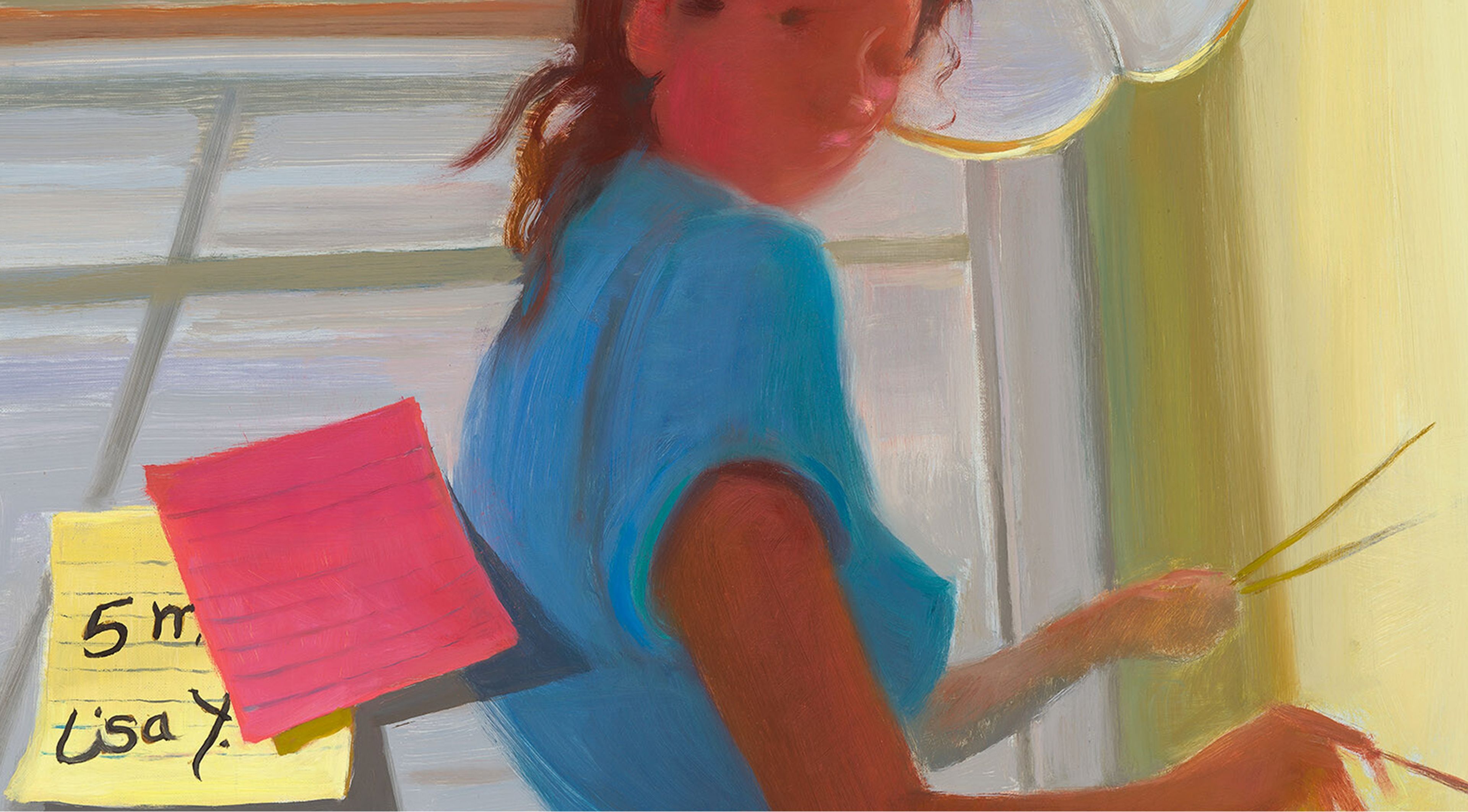
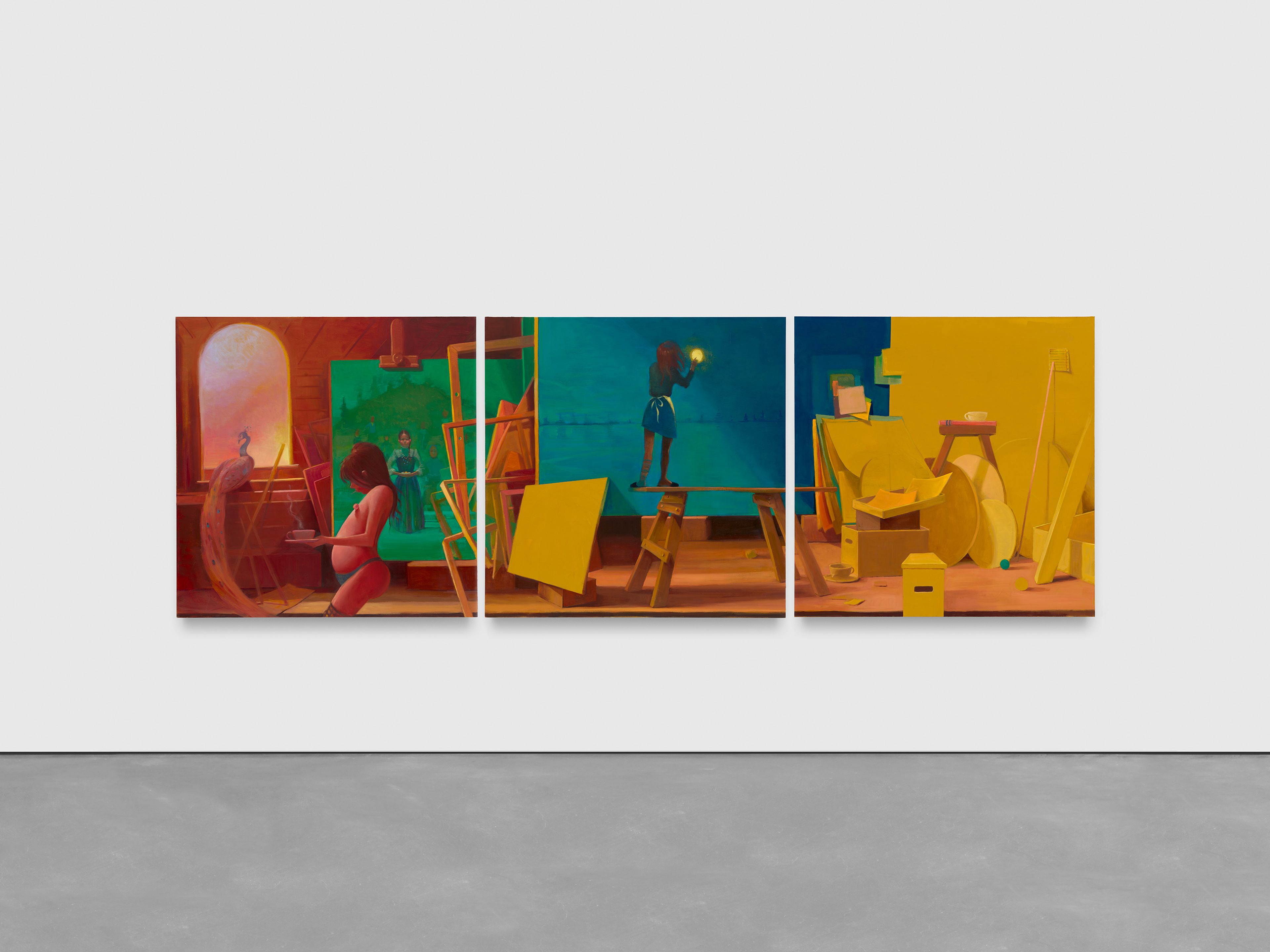
Lisa Yuskavage, Painter Painting, Act I, 2026 (detail)
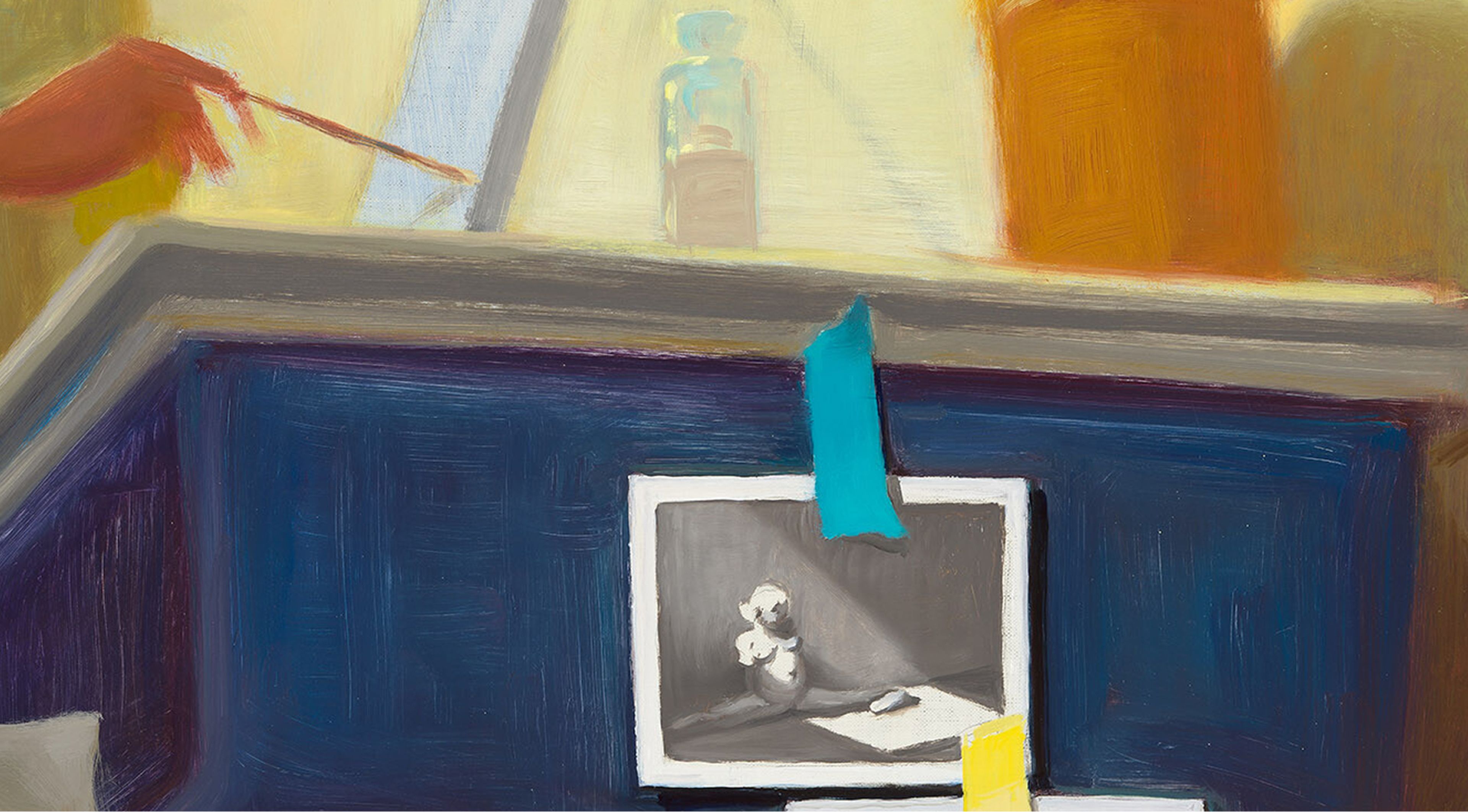
Lisa Yuskavage, Painter Painting, Act I, 2026 (detail)
“[Yuskavage] makes spaces that engulf and surround her characters but that also allow the viewer to decide what to focus on and in what order.... When her paintings work, they create their own worlds—worlds that haven't existed before.”
—Heidi Zuckerman, curator, in the 2020 Aspen Art Museum catalogue Lisa Yuskavage: Wilderness
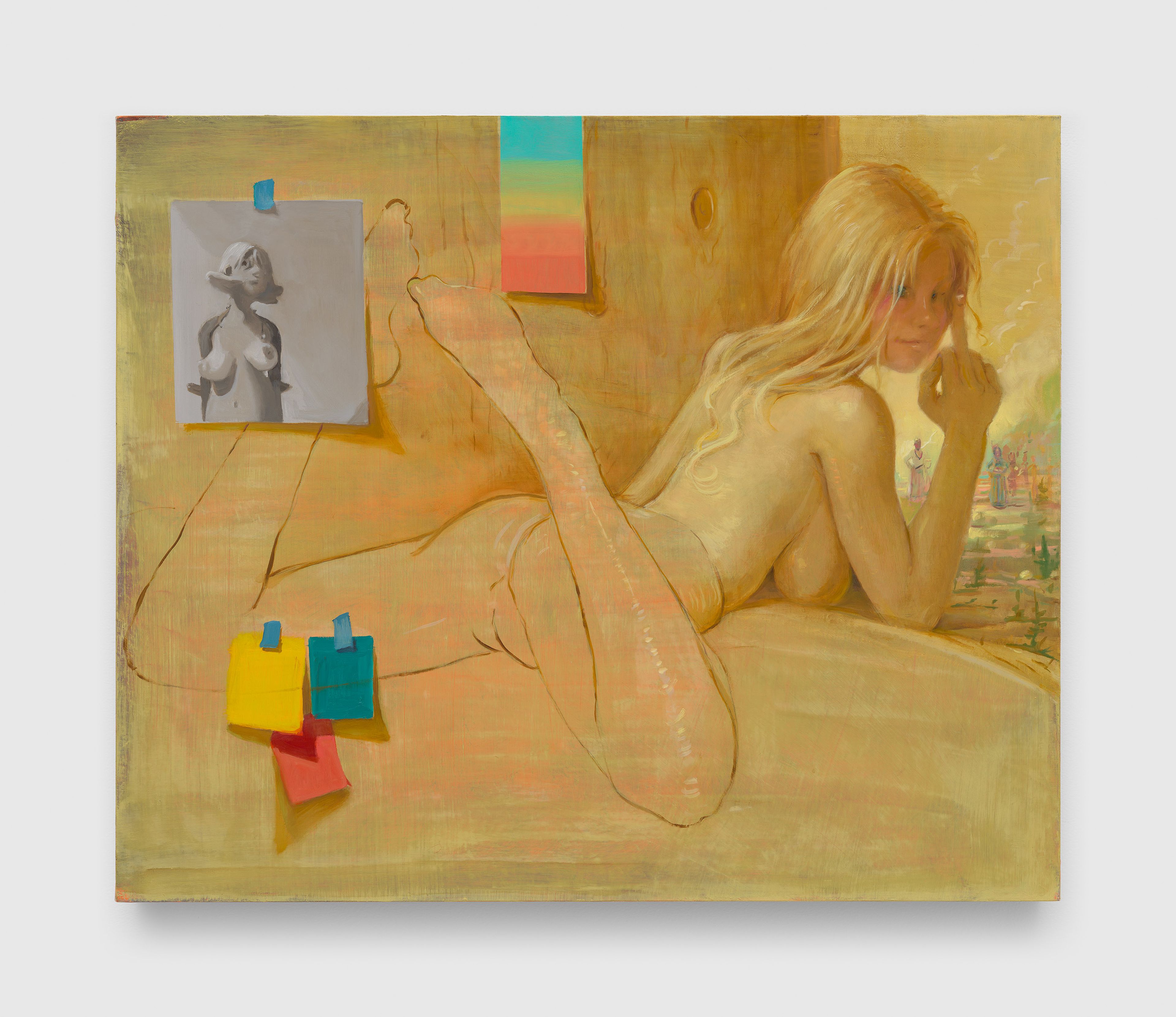
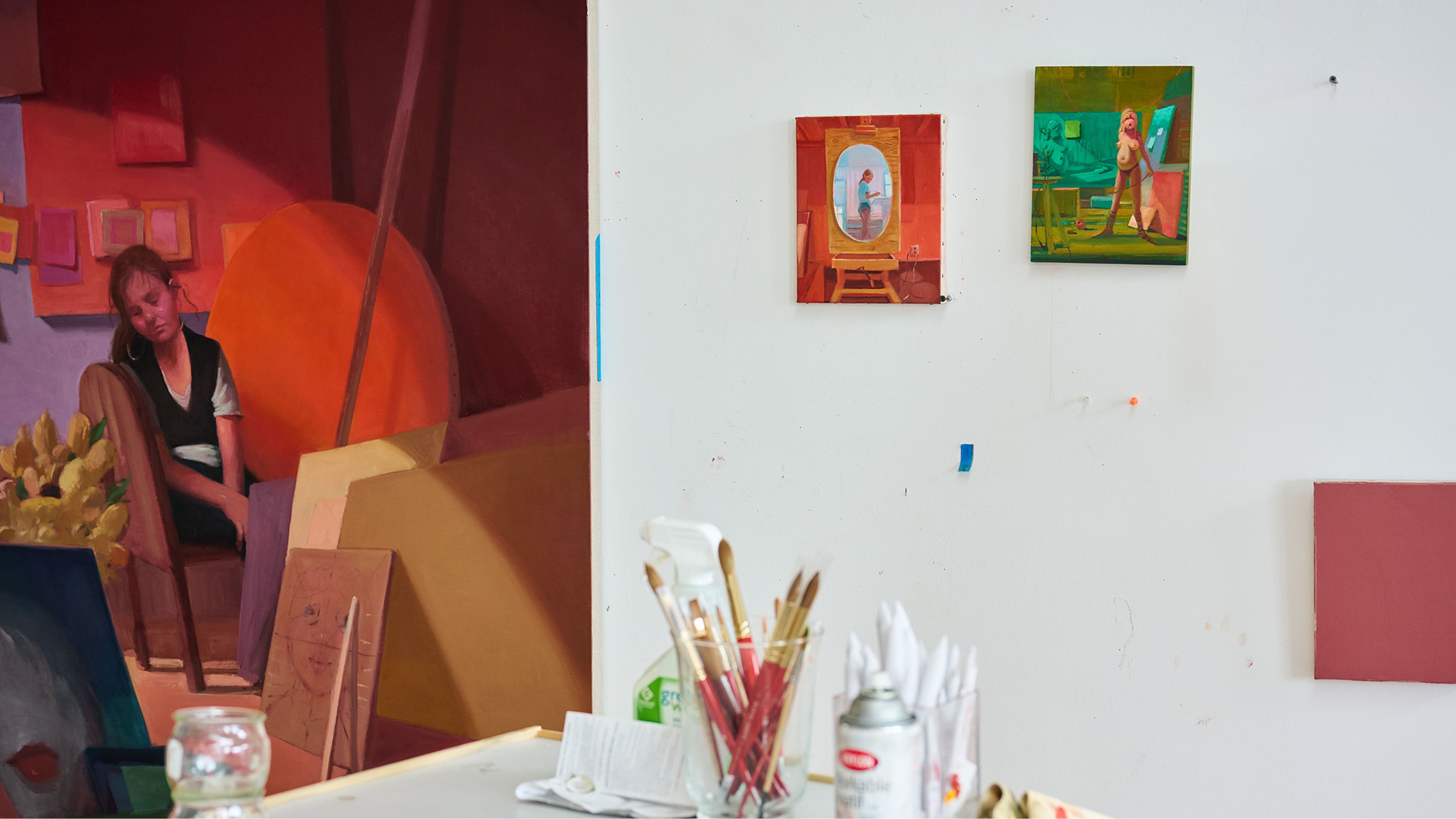
Lisa Yuskavage’s studio, New York, 2026. Photo by Jason Schmidt
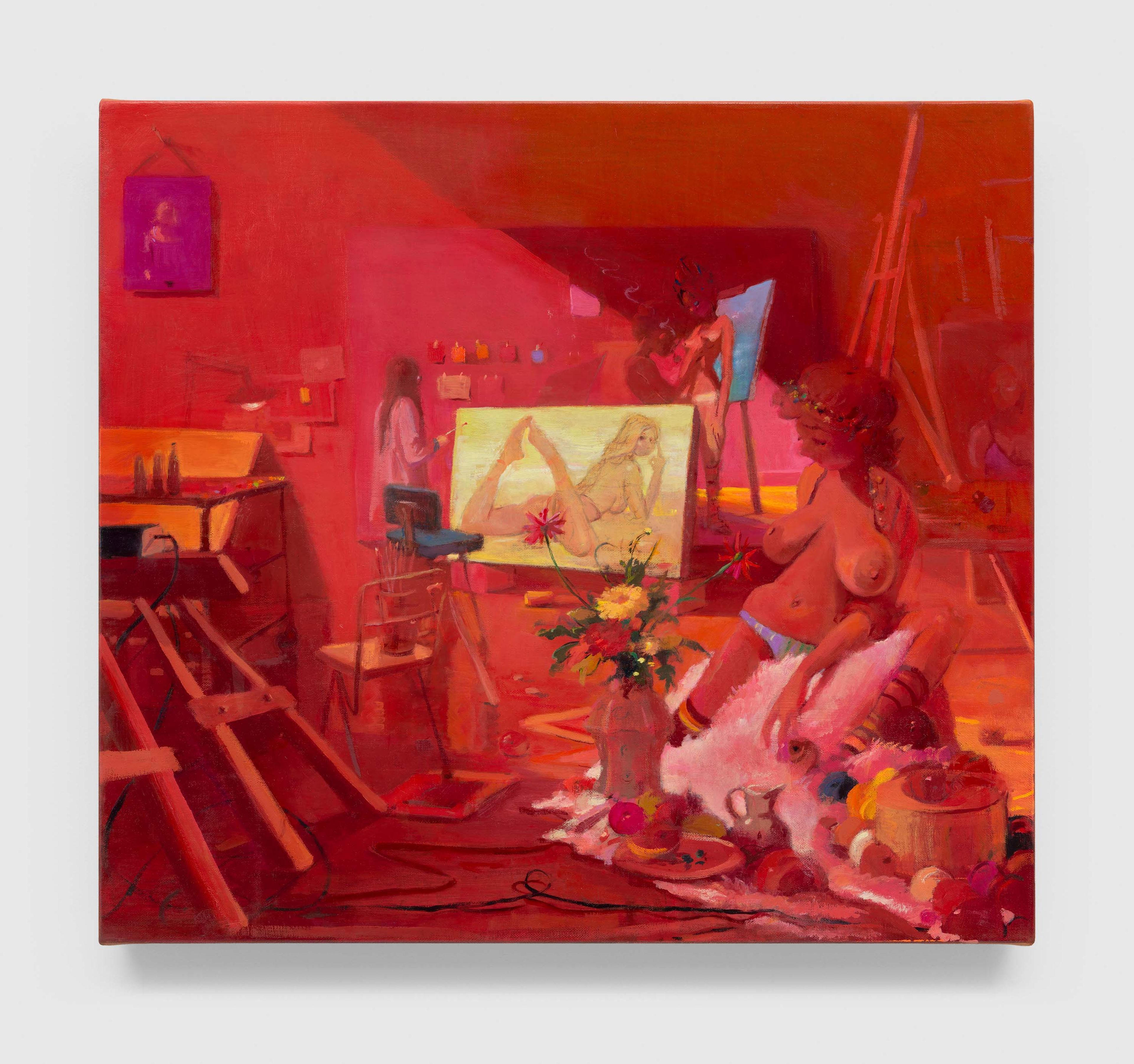
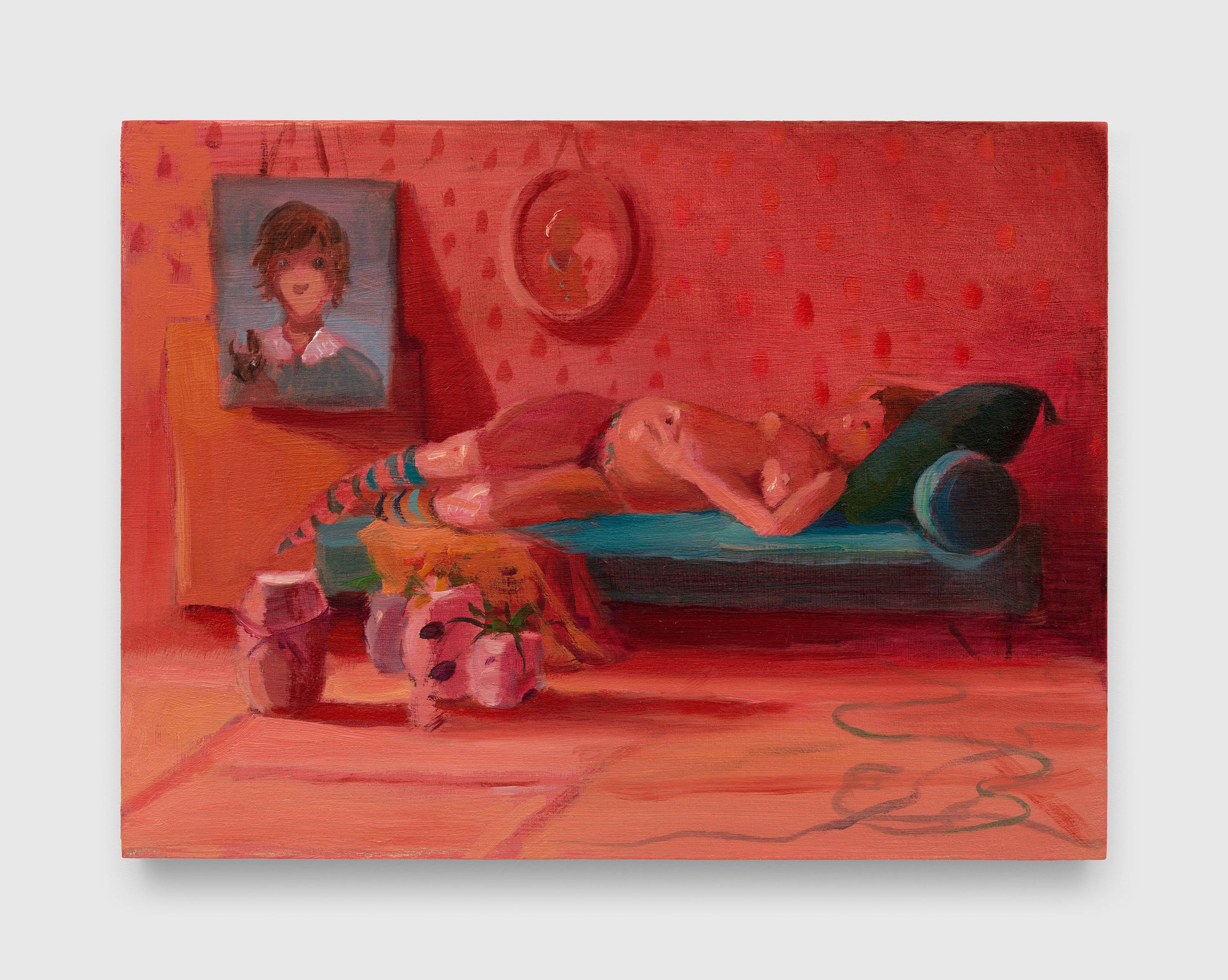
“To understand their transformative effects, one would have to survey the history of classical painting, consider these bodies against the anaemic ones we are asked to celebrate on lesser canvases and be reminded of just how fraught a topic the vagina has been in the last hundred years of film.”
—Lena Dunham, actress, director, and writer, in Lisa Yuskavage (Phaidon, 2025)
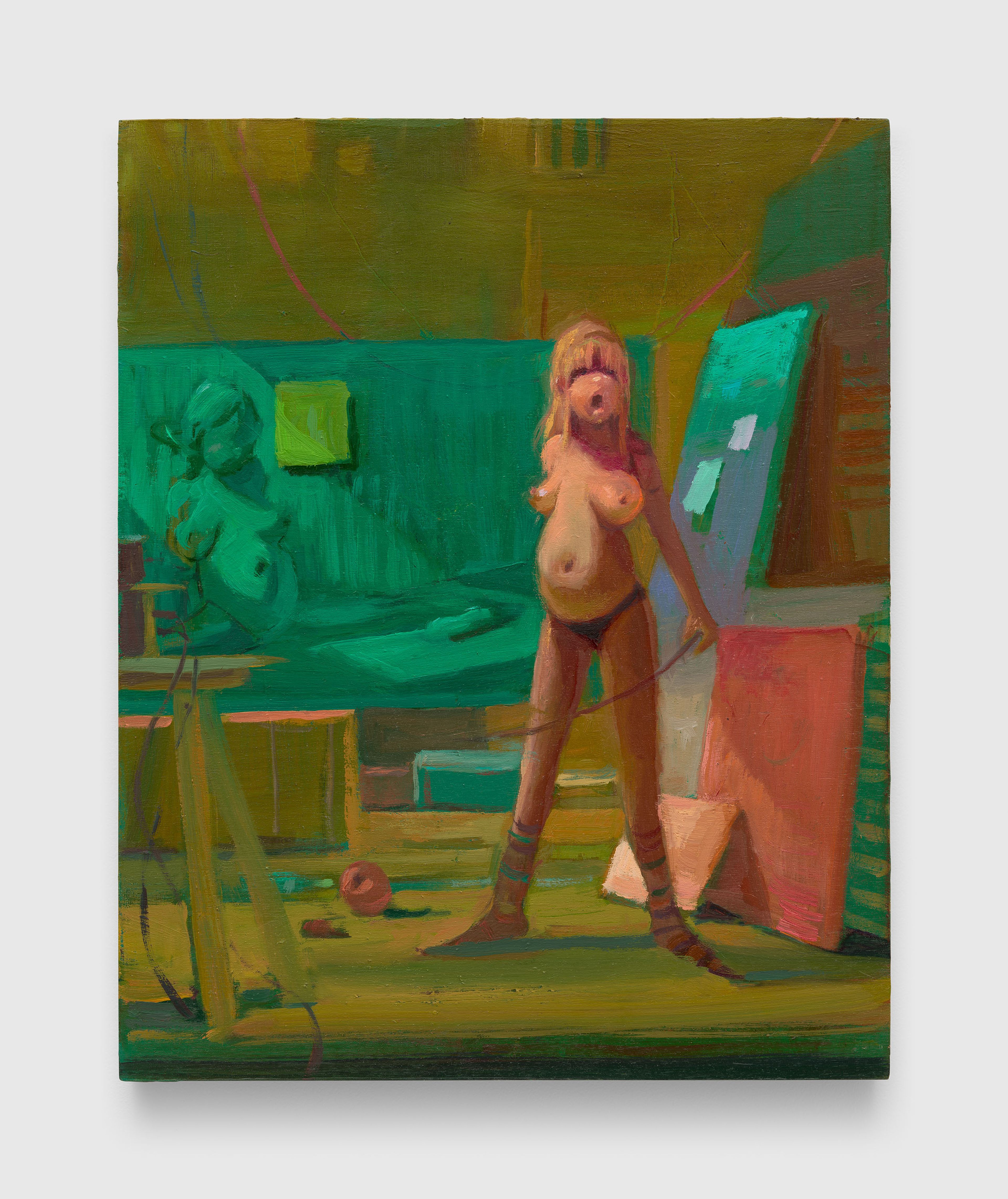
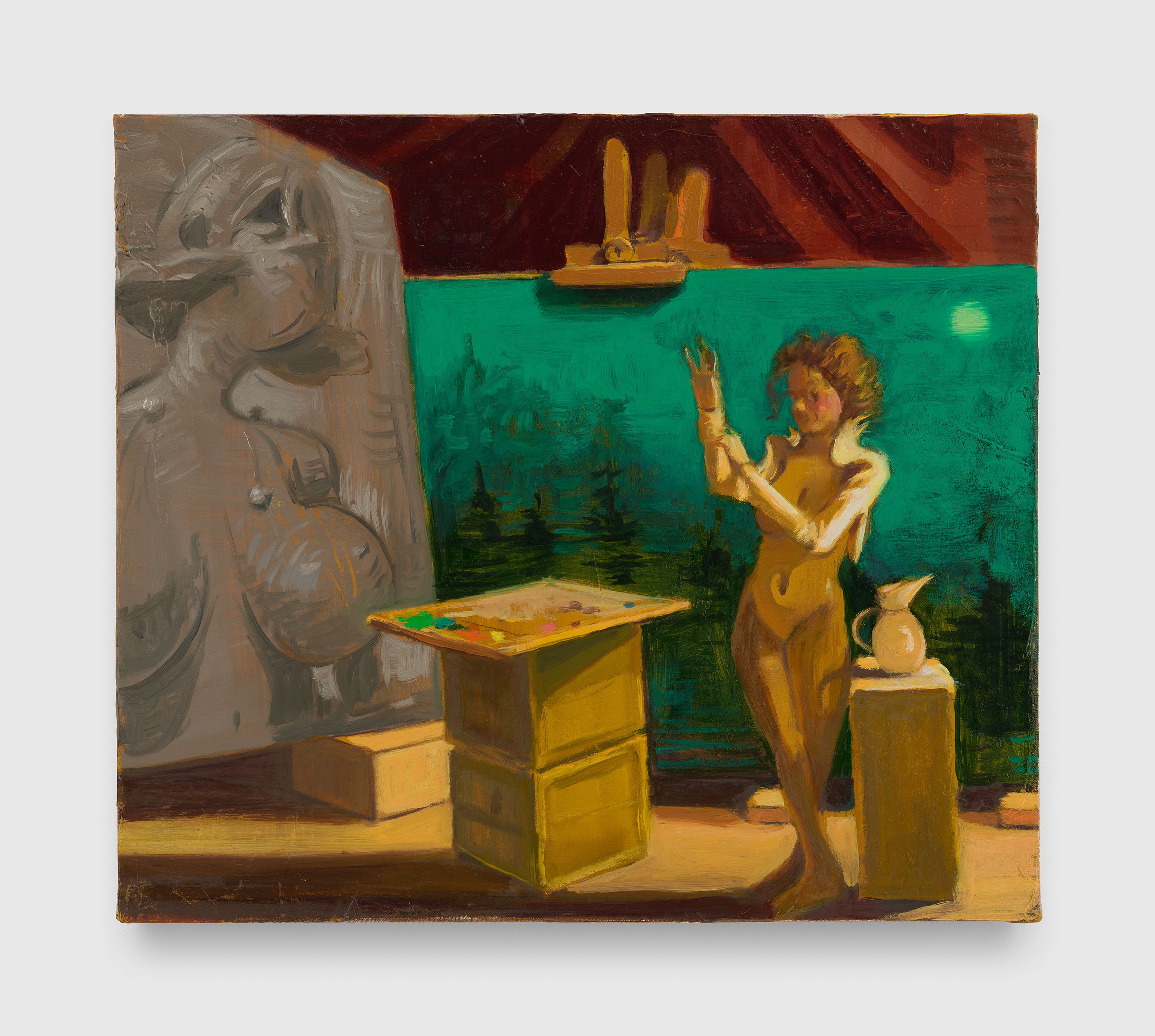
“In its entirety, Yuskavage’s world is a grand comedy—rife with fantastical visions of both sunshine and shit worthy of François Rabelais. Her characters have Pantagruel’s appetite, humor and—most important—that giant’s heart..... Yuskavage’s [sublime] is in here, at the core of our basic, vital humanity.”
—Jarrett Earnest, Art in America, 2015
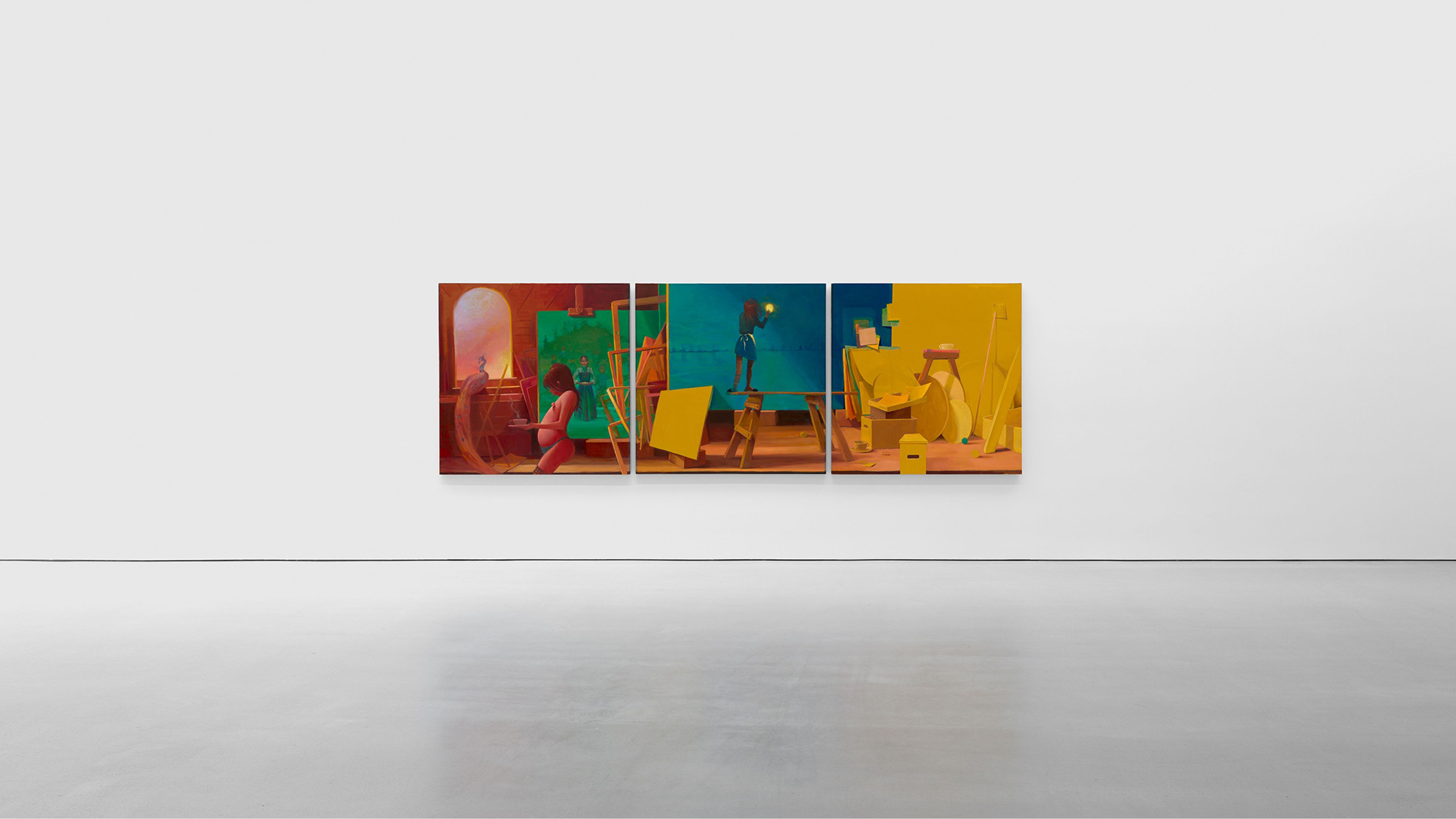
Installation view, Lisa Yuskavage, David Zwirner, New York, 2026
Color and Other Topics: A Conversation with Lisa Yuskavage and Jarrett Earnest, Recorded on May 19, 2026, David Zwirner, New York

Inquire about works by Lisa Yuskavage