Raymond Saunders: Notes from LA
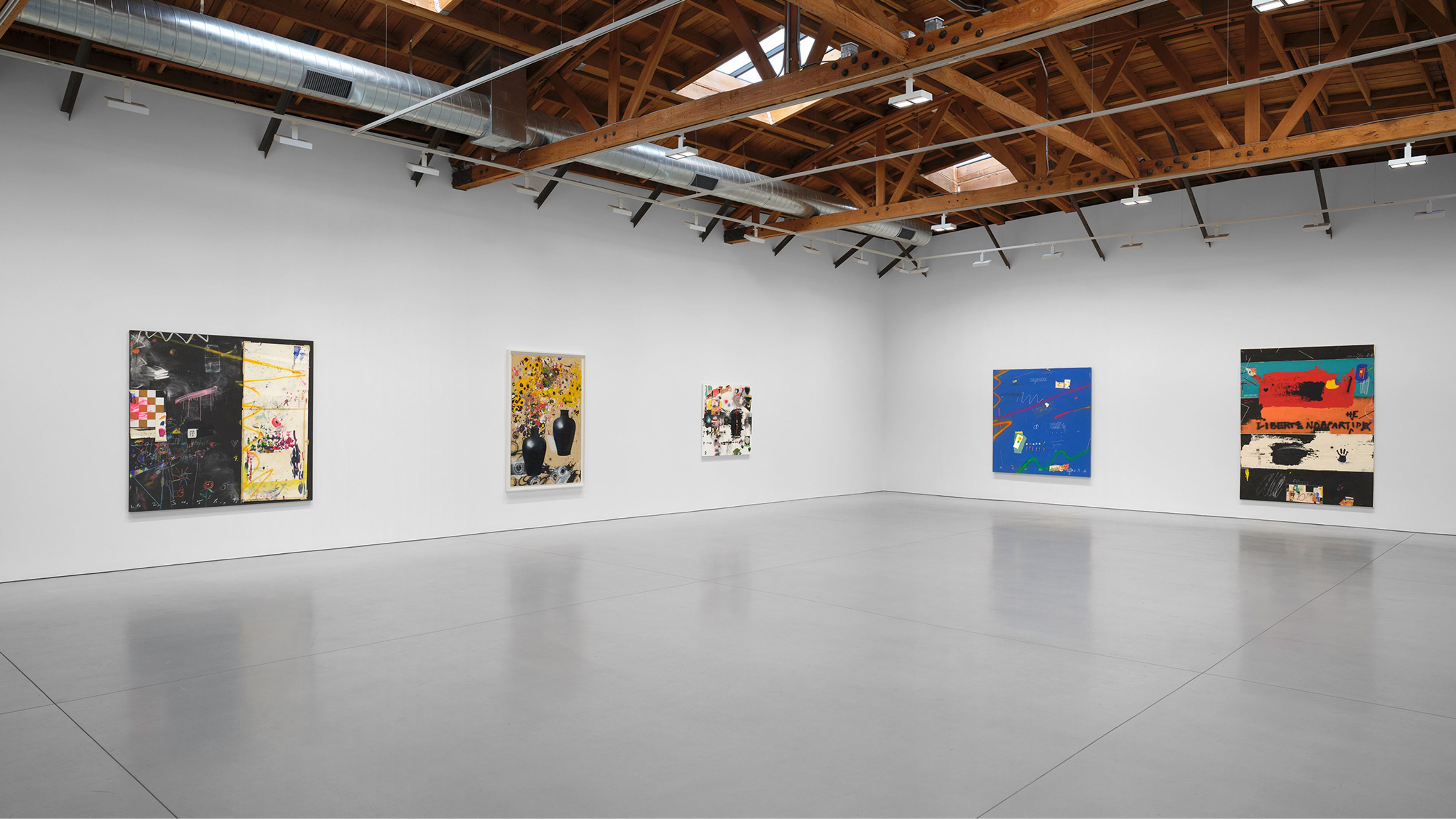
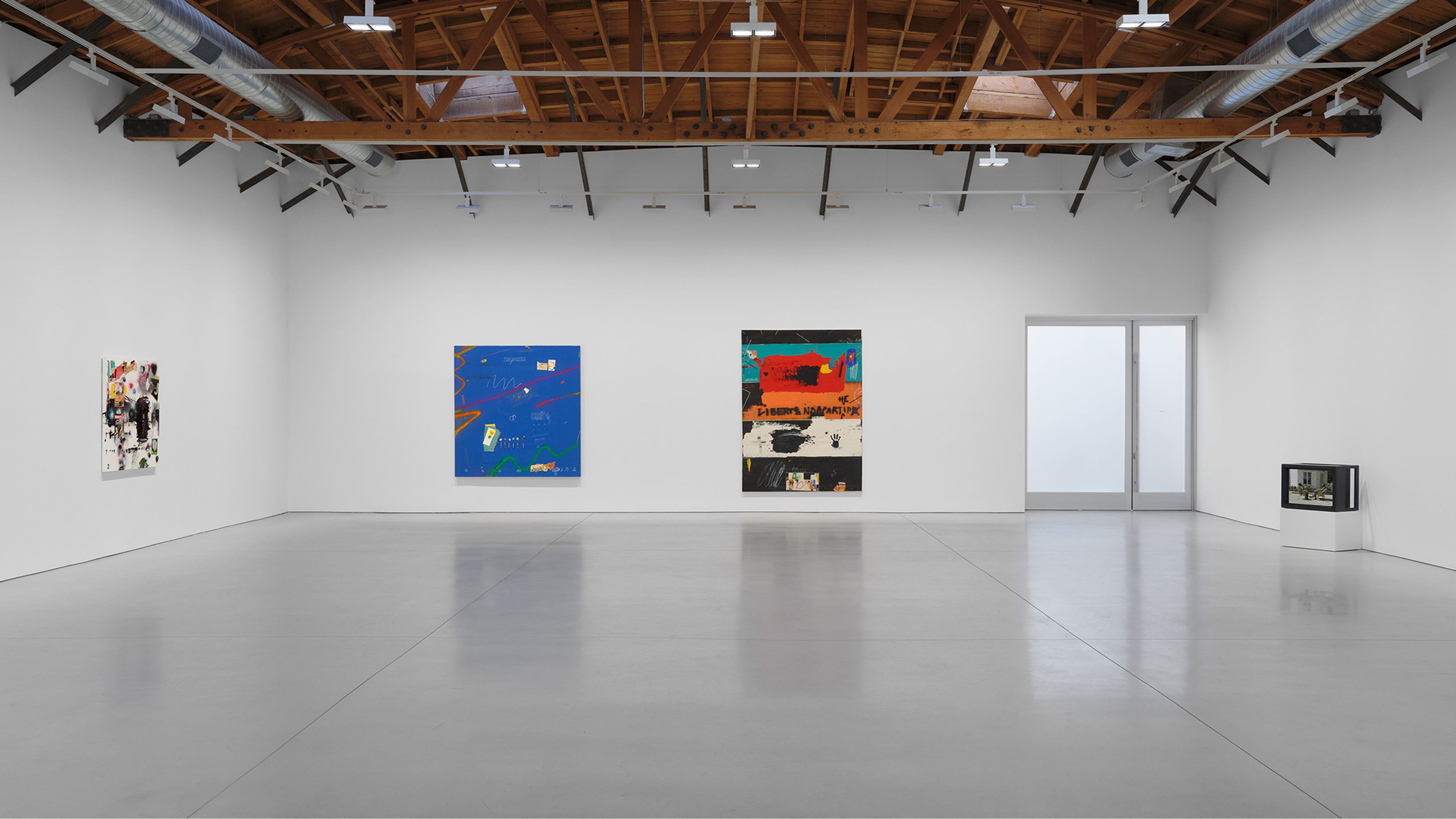
Installation view, Raymond Saunders: Notes from LA, David Zwirner, Los Angeles, 2026
Past
February 24—April 25, 2026
Opening Reception
Tuesday, February 24, 6–8 PM
Opening Reception
Tuesday, February 24, 6–8 PM
Location
Los Angeles
616 N Western Avenue
Los Angeles, CA 90004
Artist
Explore
Explore All Works
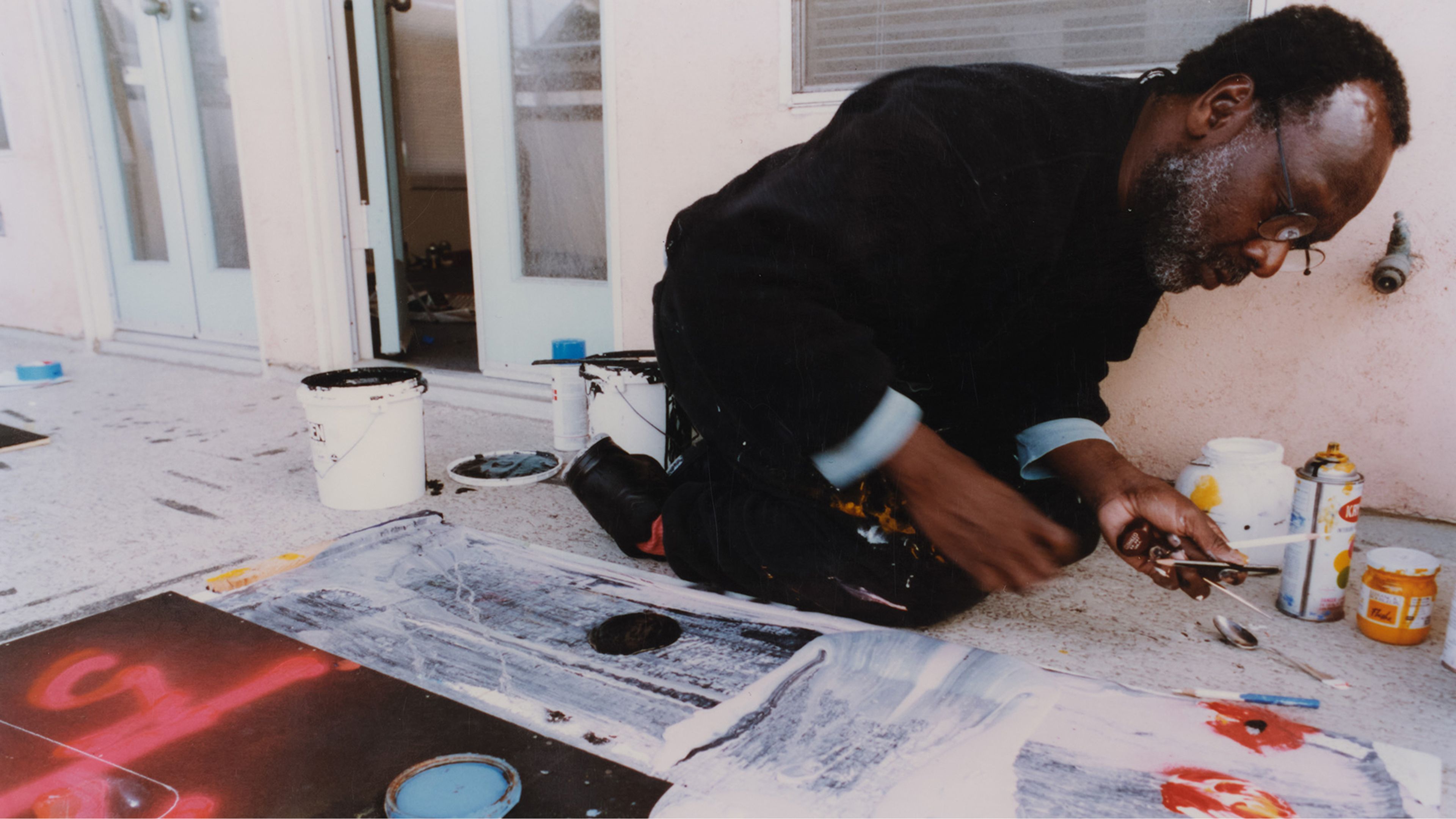
Raymond Saunders at work, n.d. © 2026 Estate of Raymond Saunders. All rights reserved
“California felt physical to me.... I prefer to be [there] really for just those reasons, that I like how it feels.”
—Raymond Saunders, interview with the San Francisco Museum of Modern Art, 1994
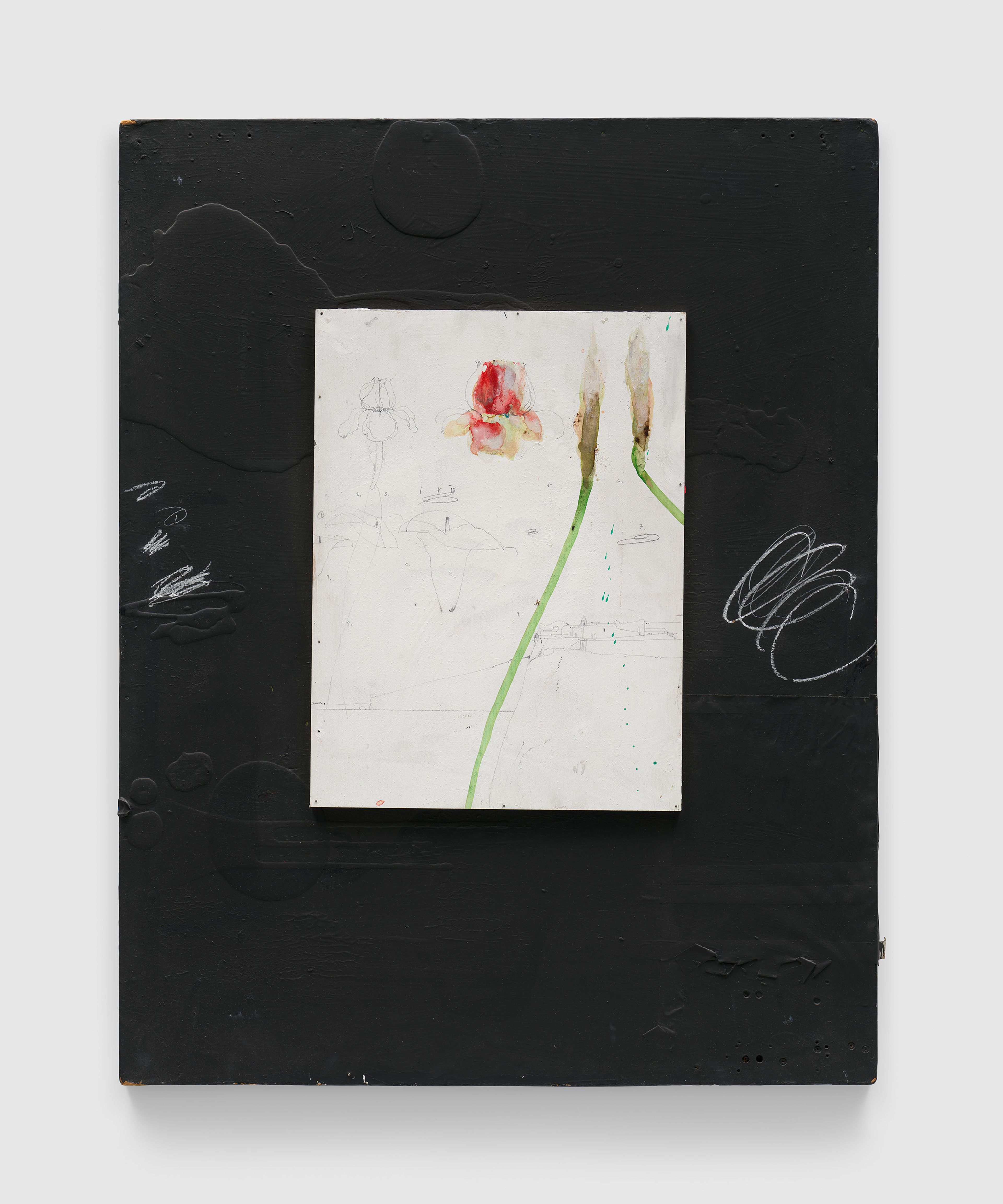
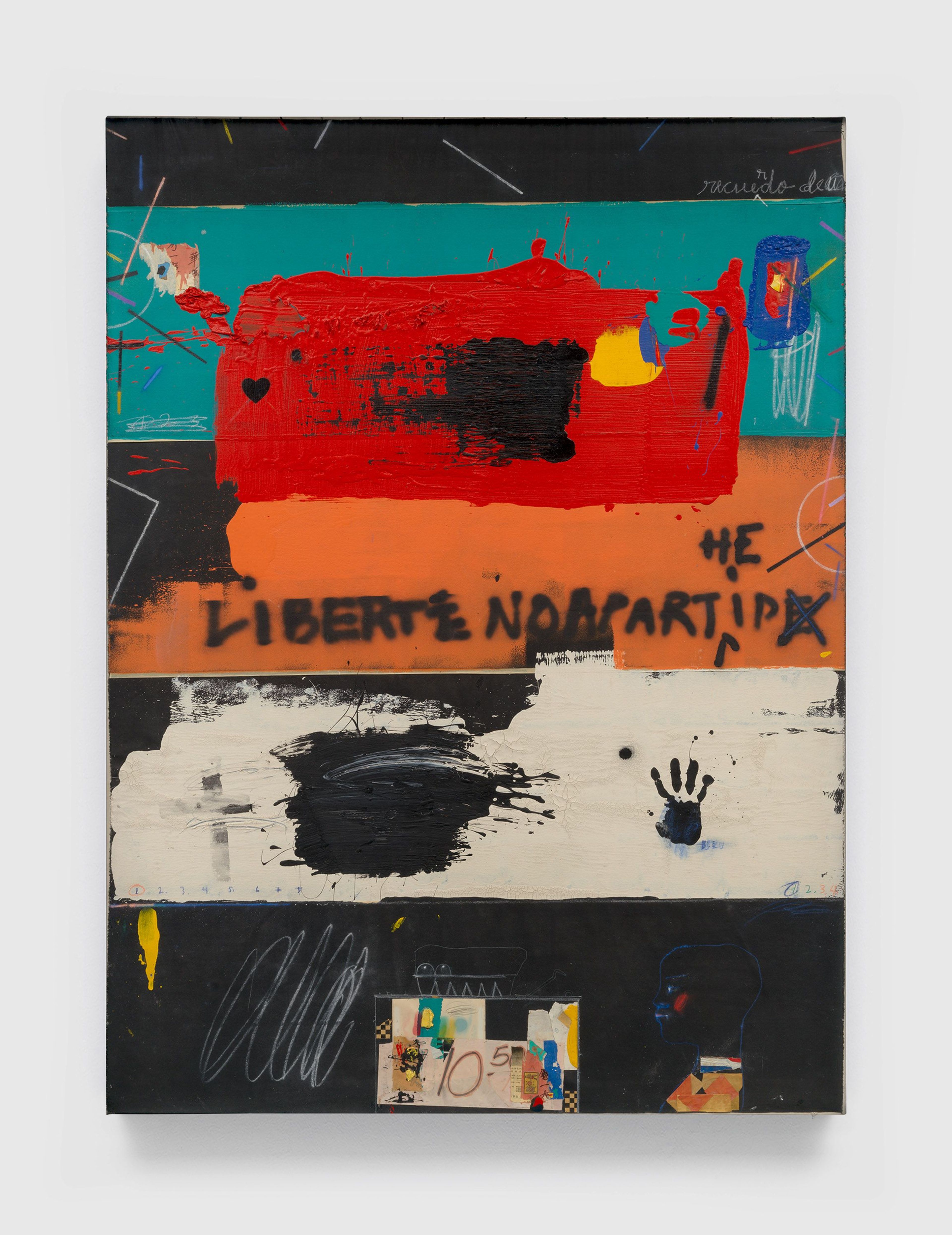
“Sights and sounds pass by as one moves along a city street, encountering the world, making decisions, and changing one’s mind as one goes. Such is the beauty of Saunders’s paintings. They are about life and all of its battles and victories, dirtiness and splendor.”
—Connie H. Choi, associate curator, The Studio Museum in Harlem, in the exhibition catalogue for Now Dig This! Art and Black Los Angeles 1960–1980, Hammer Museum, University of California, Los Angeles, 2011–2012
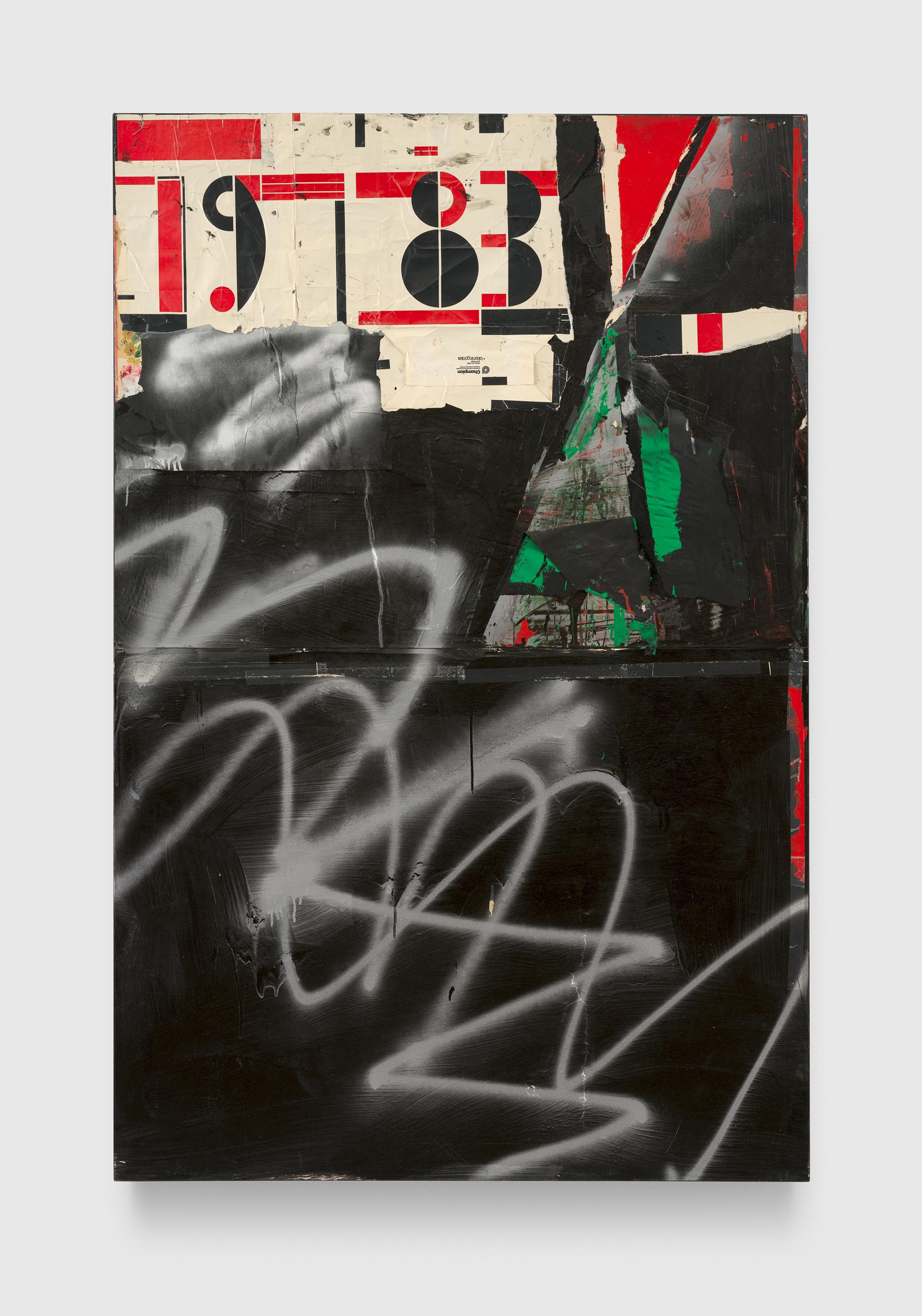
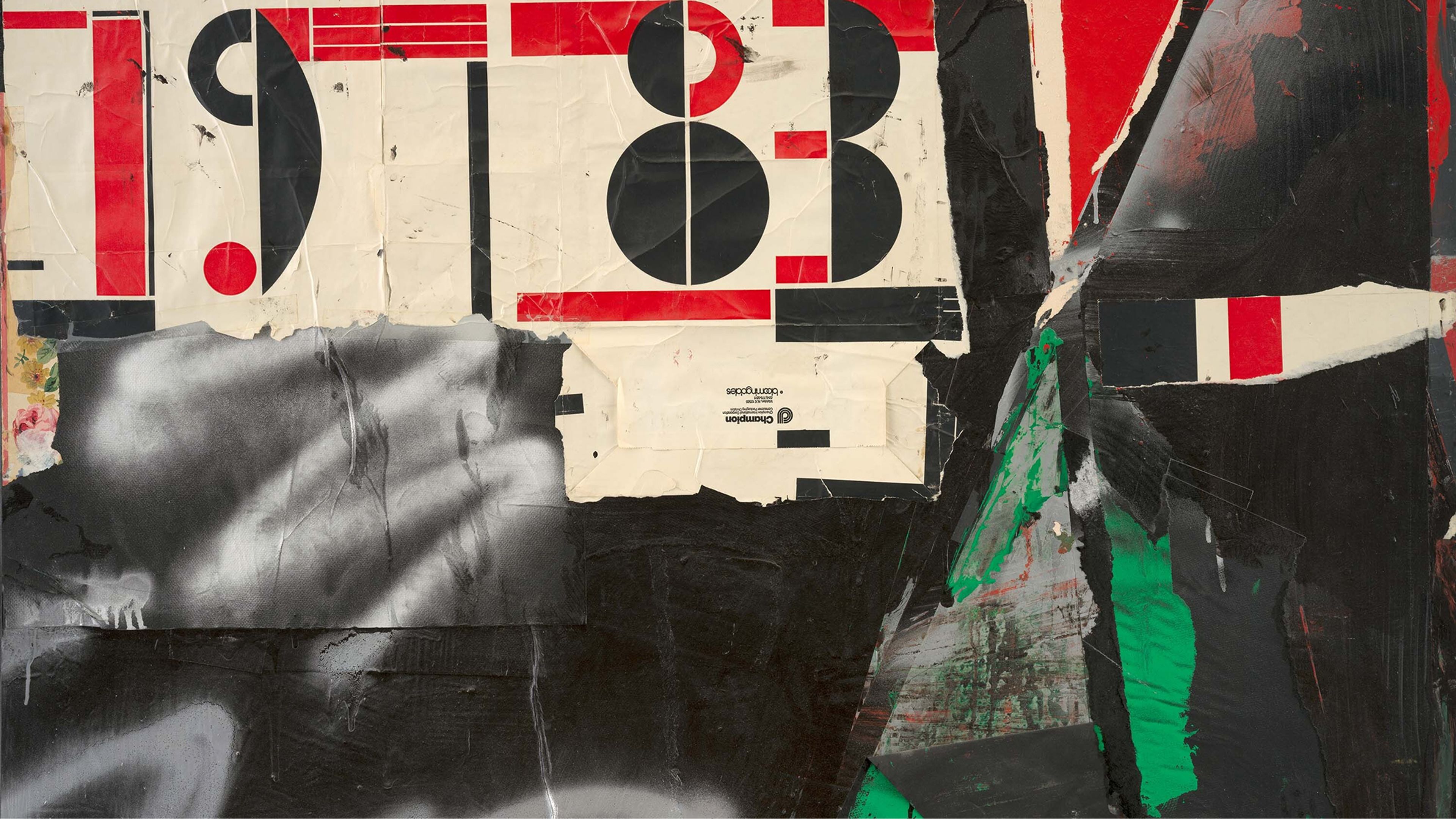
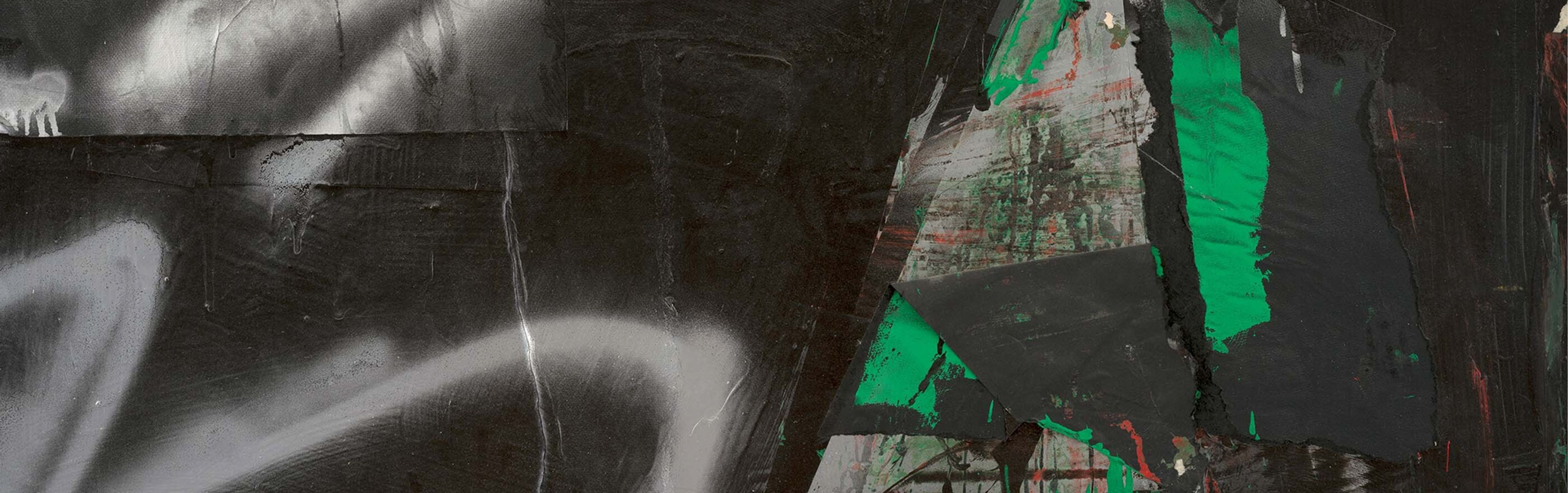
Raymond Saunders, Malcolm, 1983 (detail)
“From an environment of the lost, the discarded, Saunders creates another wholly inscribed world of found things in which chalk and metal and paint and wallpaper and toys and insignia combine to destabilize and soothe us—then to change us altogether like a tropical medicine belt. Glorious.”
—Toni Morrison in her catalogue introduction for Raymond Saunders, Stephen Wirtz Gallery, San Francisco, California, 1993
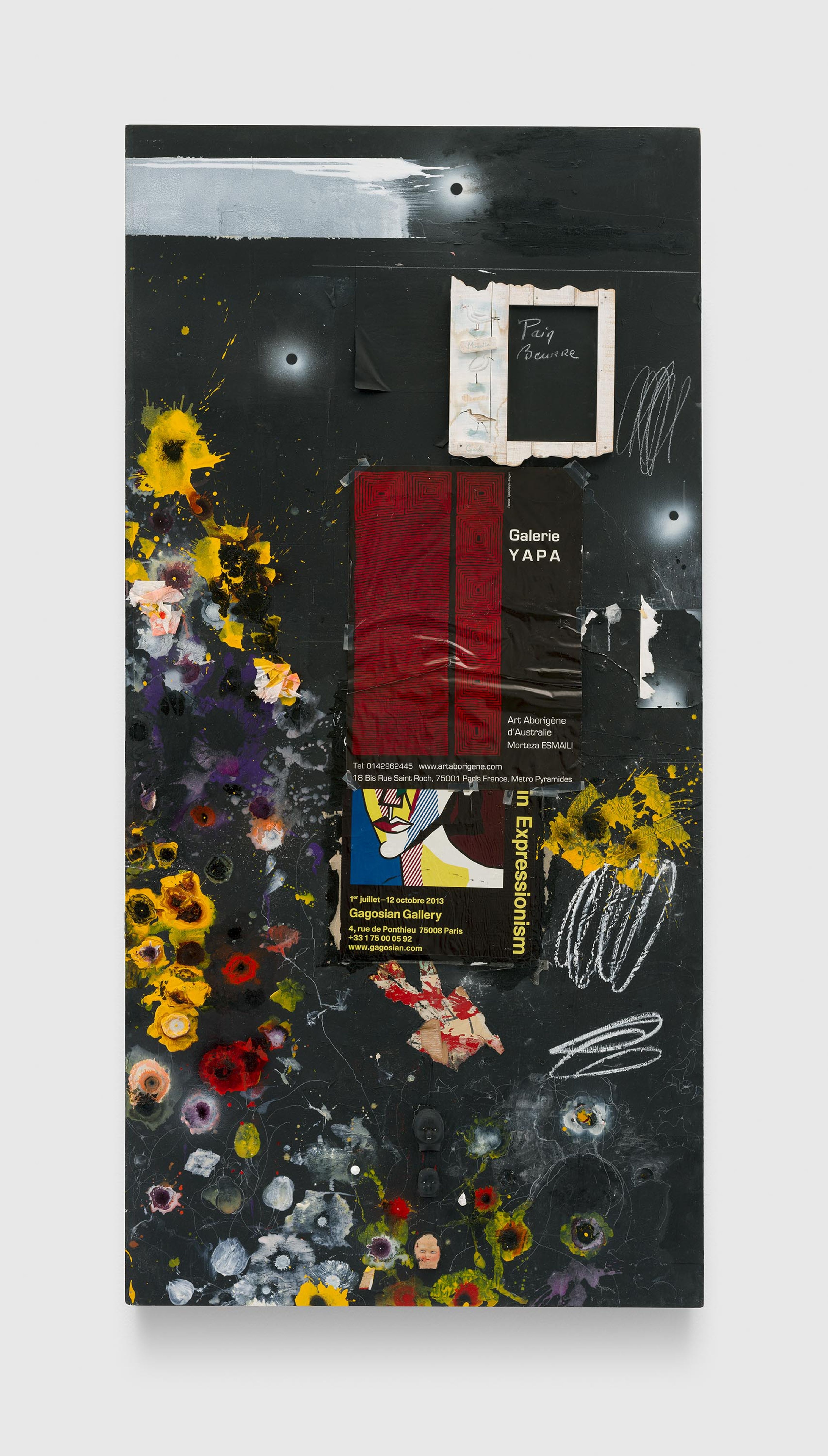
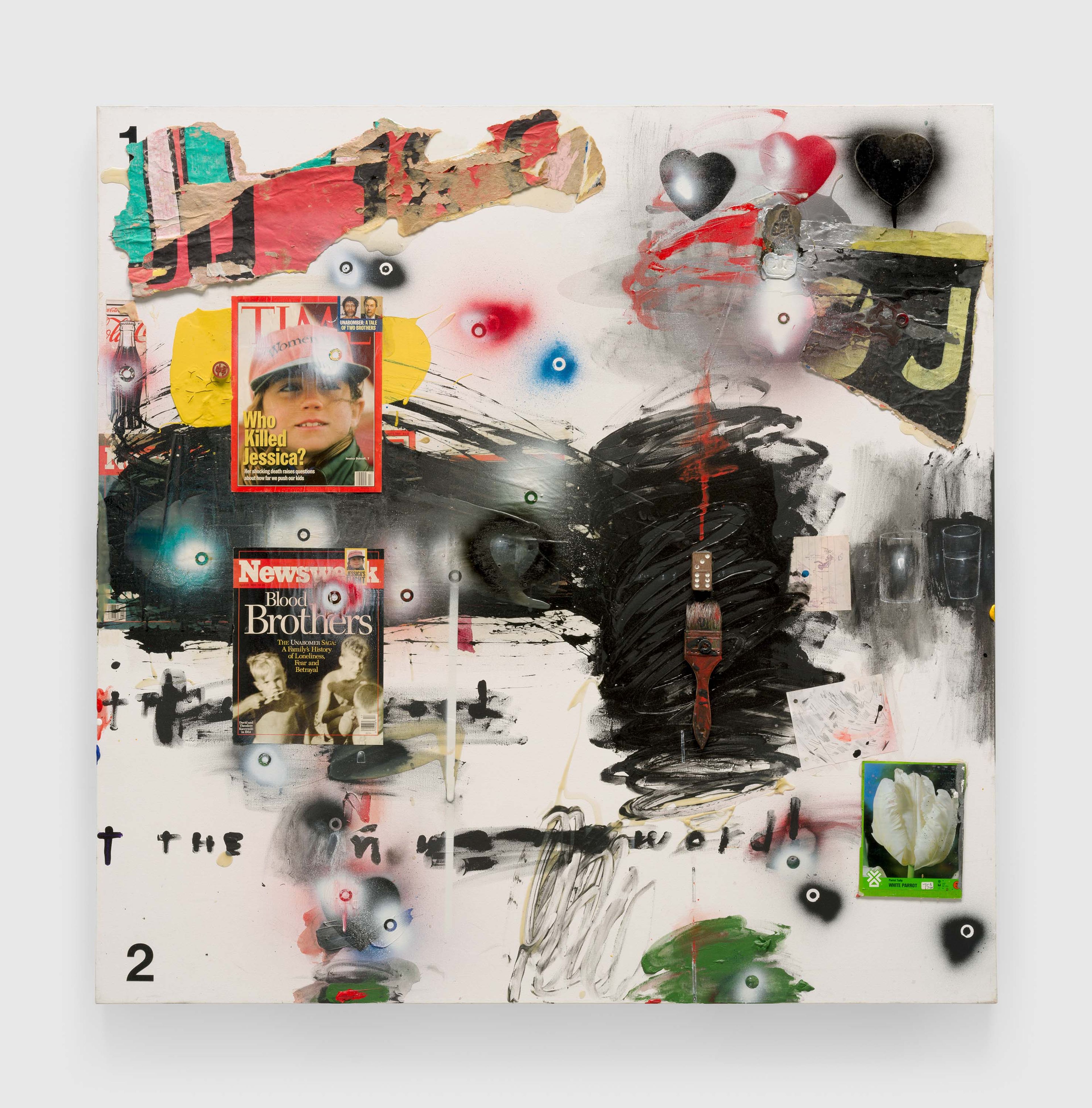
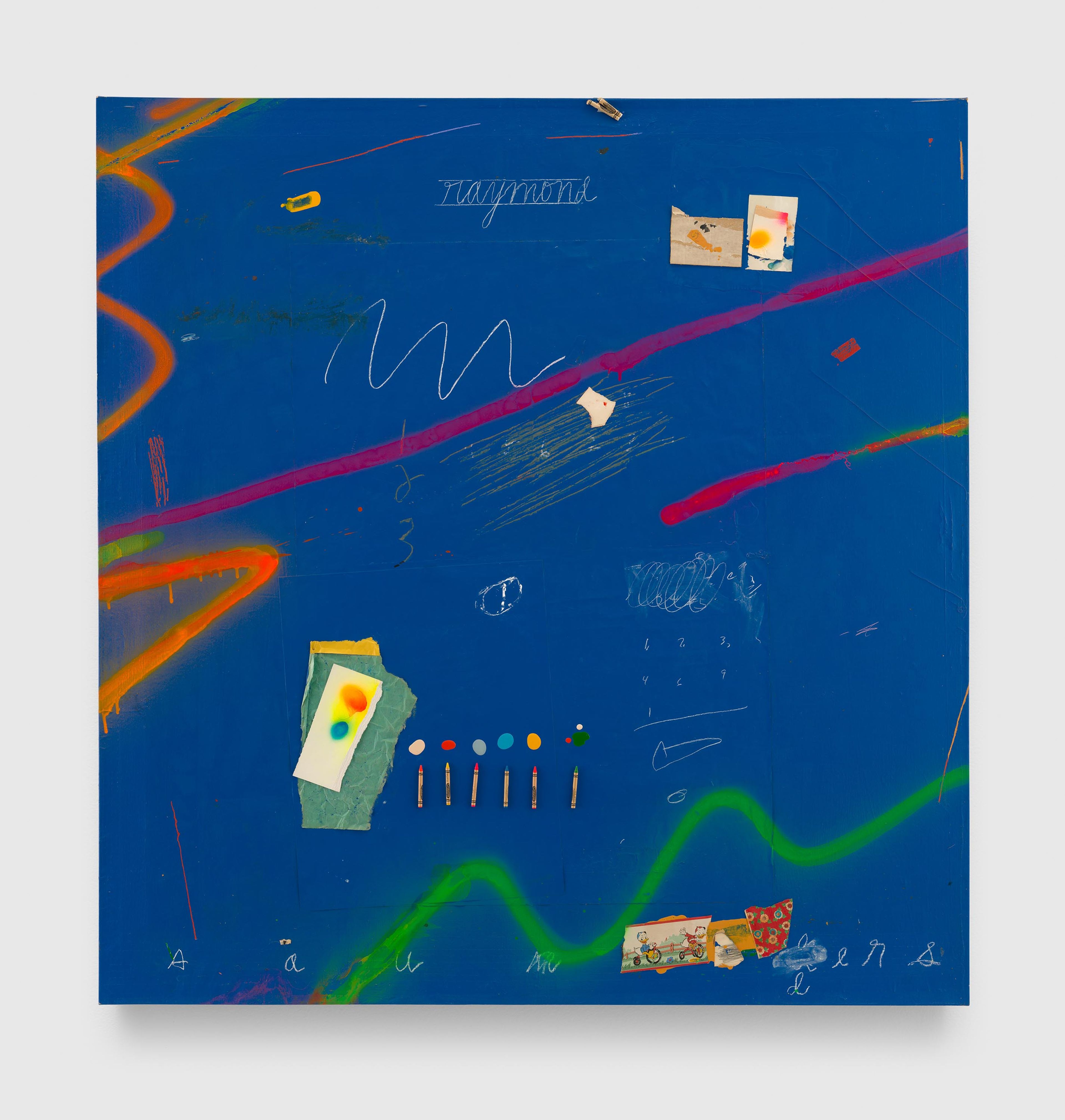
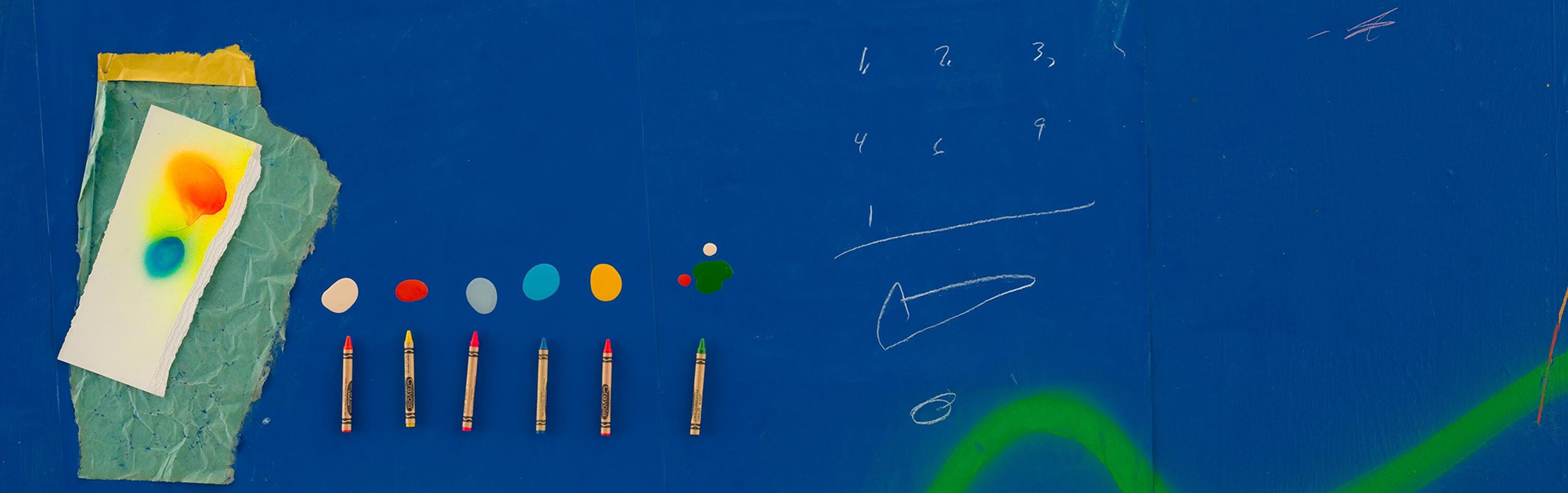
Exceptional Works: Raymond Saunders
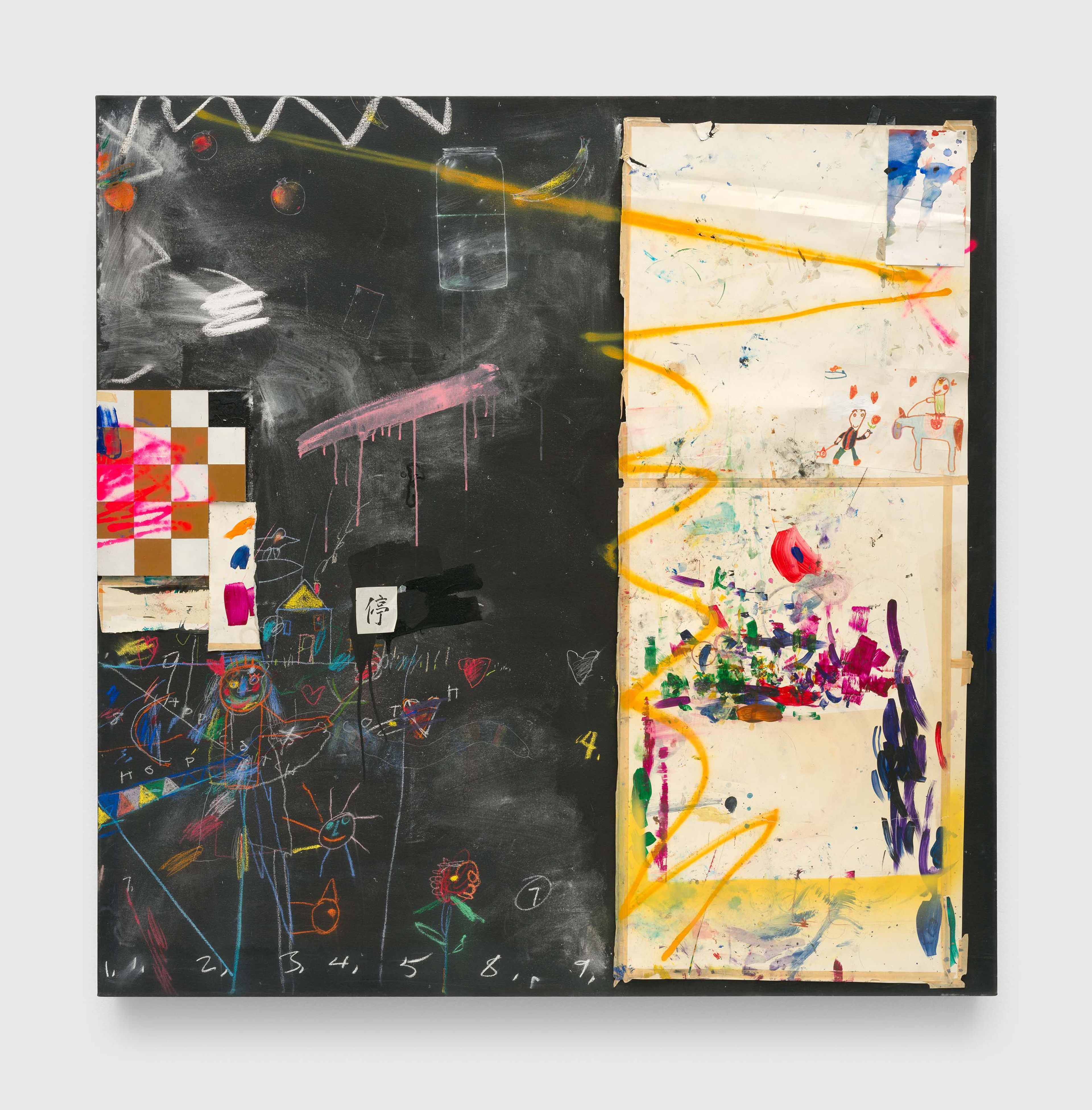
It Wasn't Easy Being a First Grader, 1979/1984
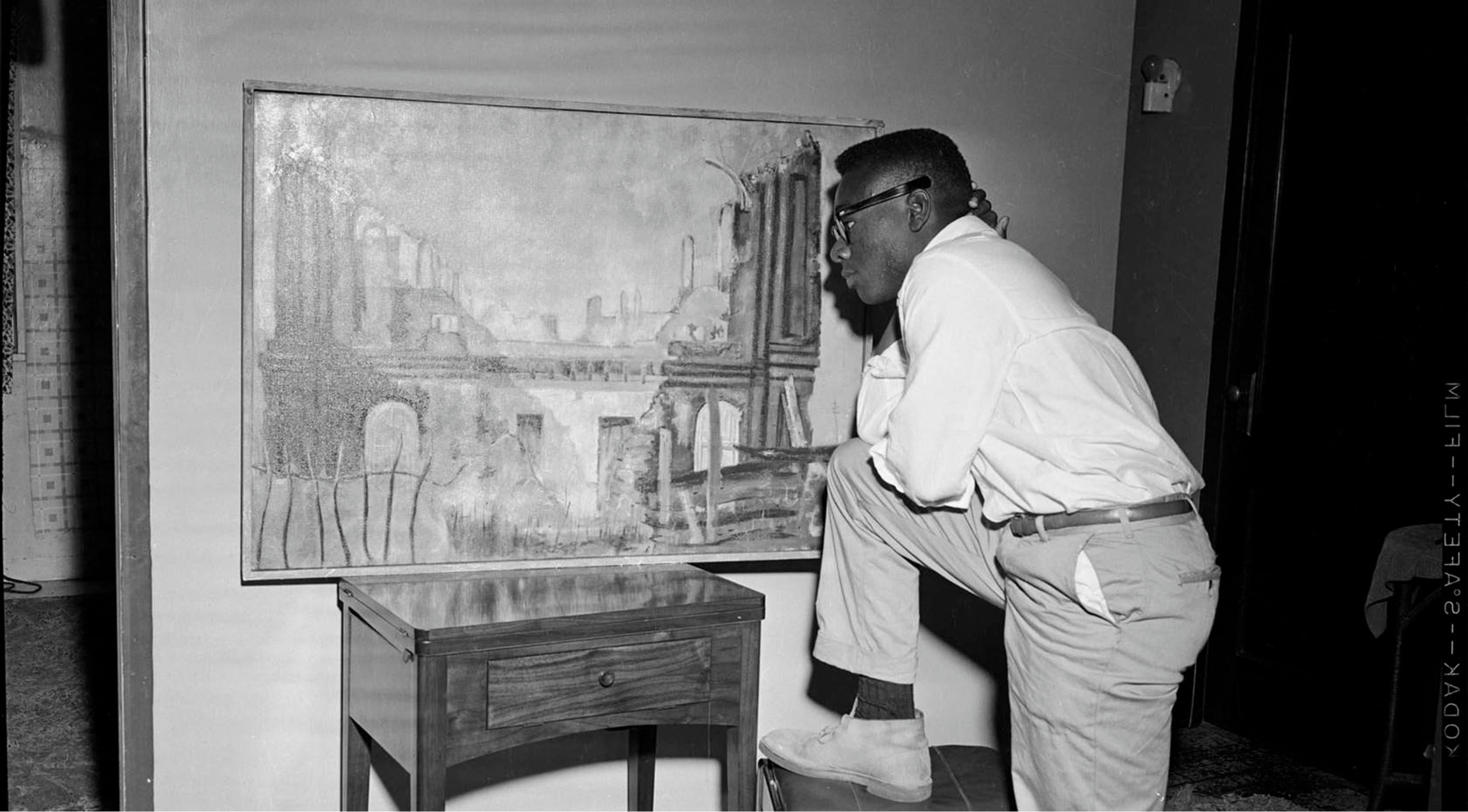
Raymond Saunders, c. 1955. © 2026 Estate of Raymond Saunders. All rights reserved
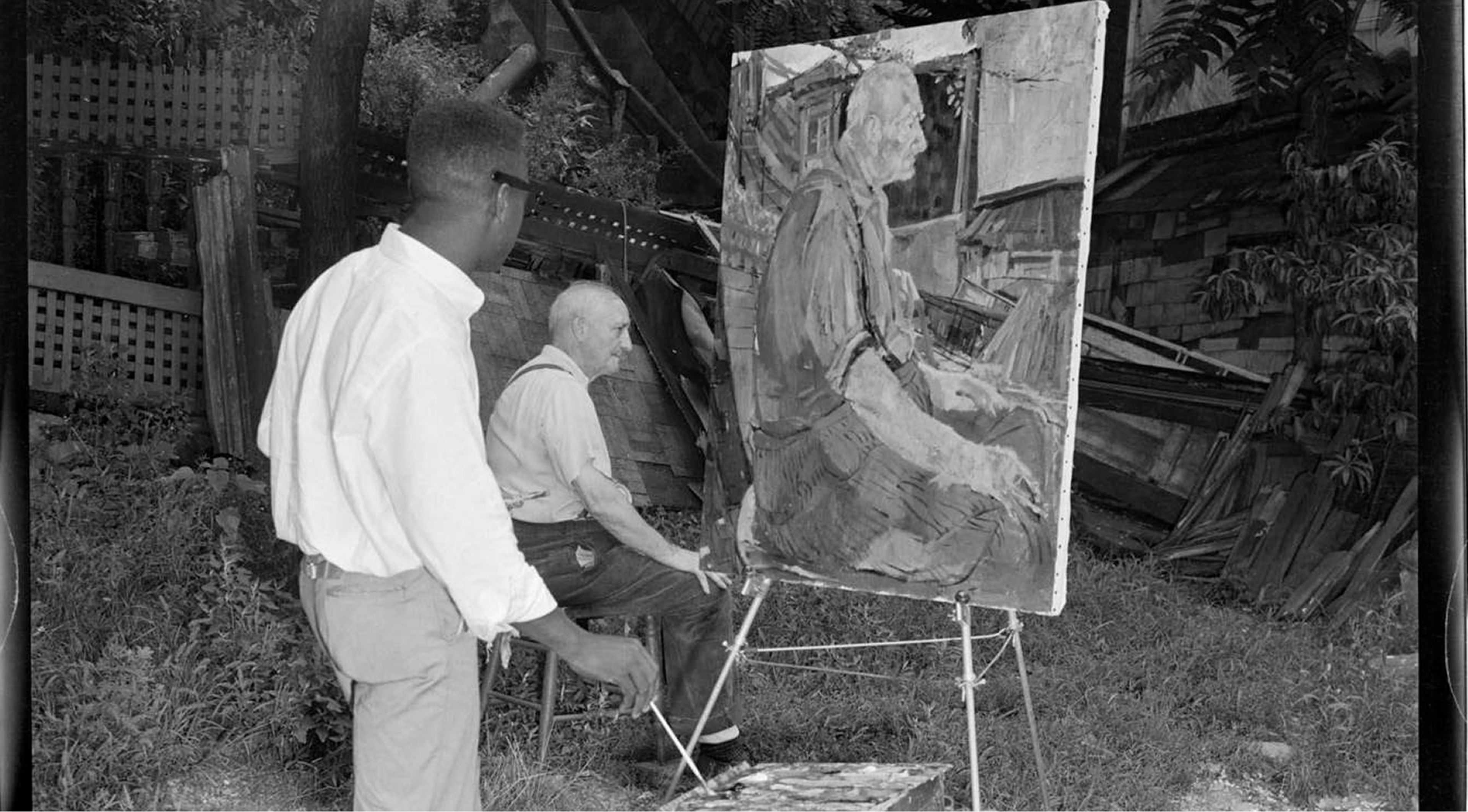
Raymond Saunders painting, c. 1955. © 2026 Estate of Raymond Saunders. All rights reserved
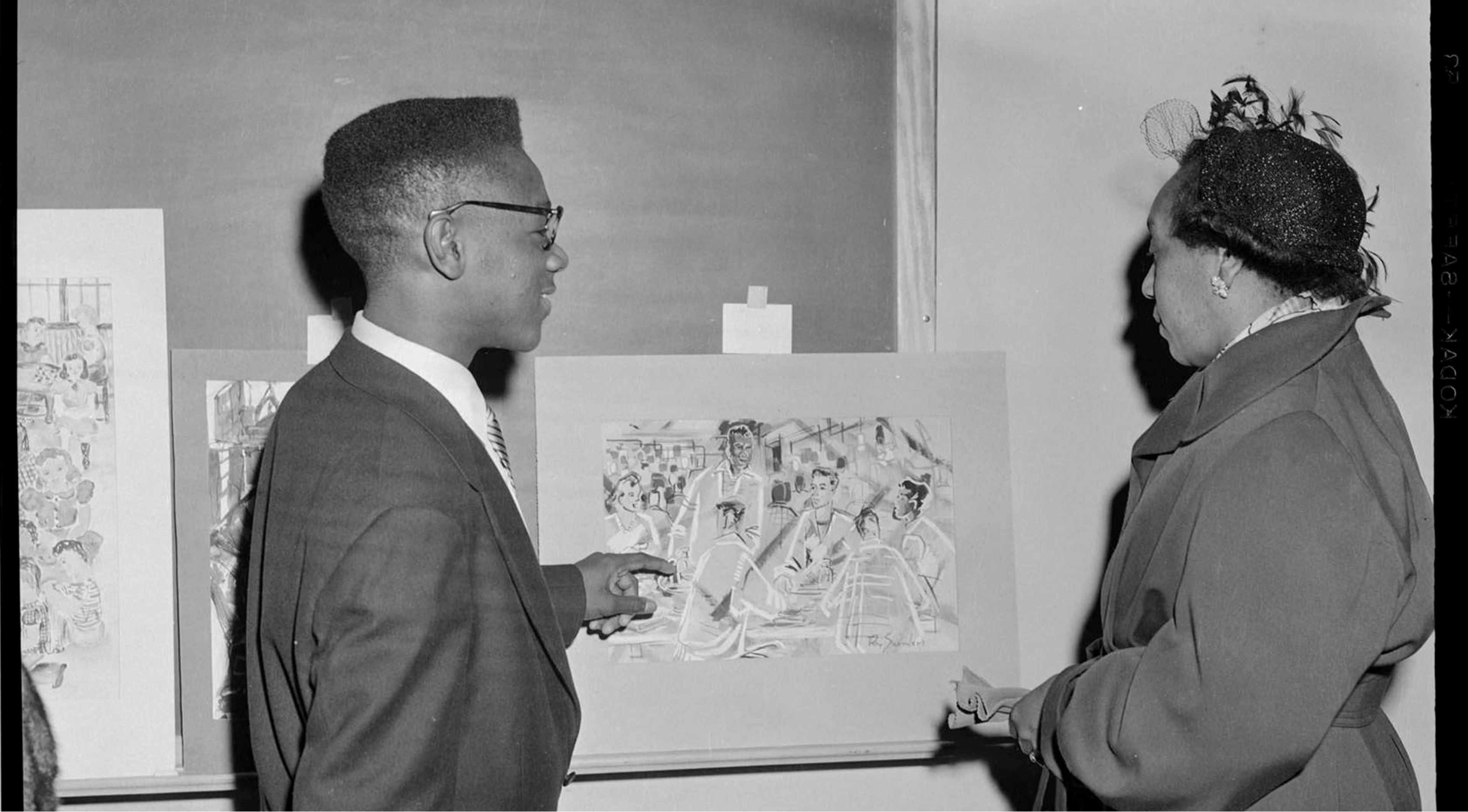
Raymond Saunders with his mother, c. 1950–1955. © 2026 Estate of Raymond Saunders. All rights reserved
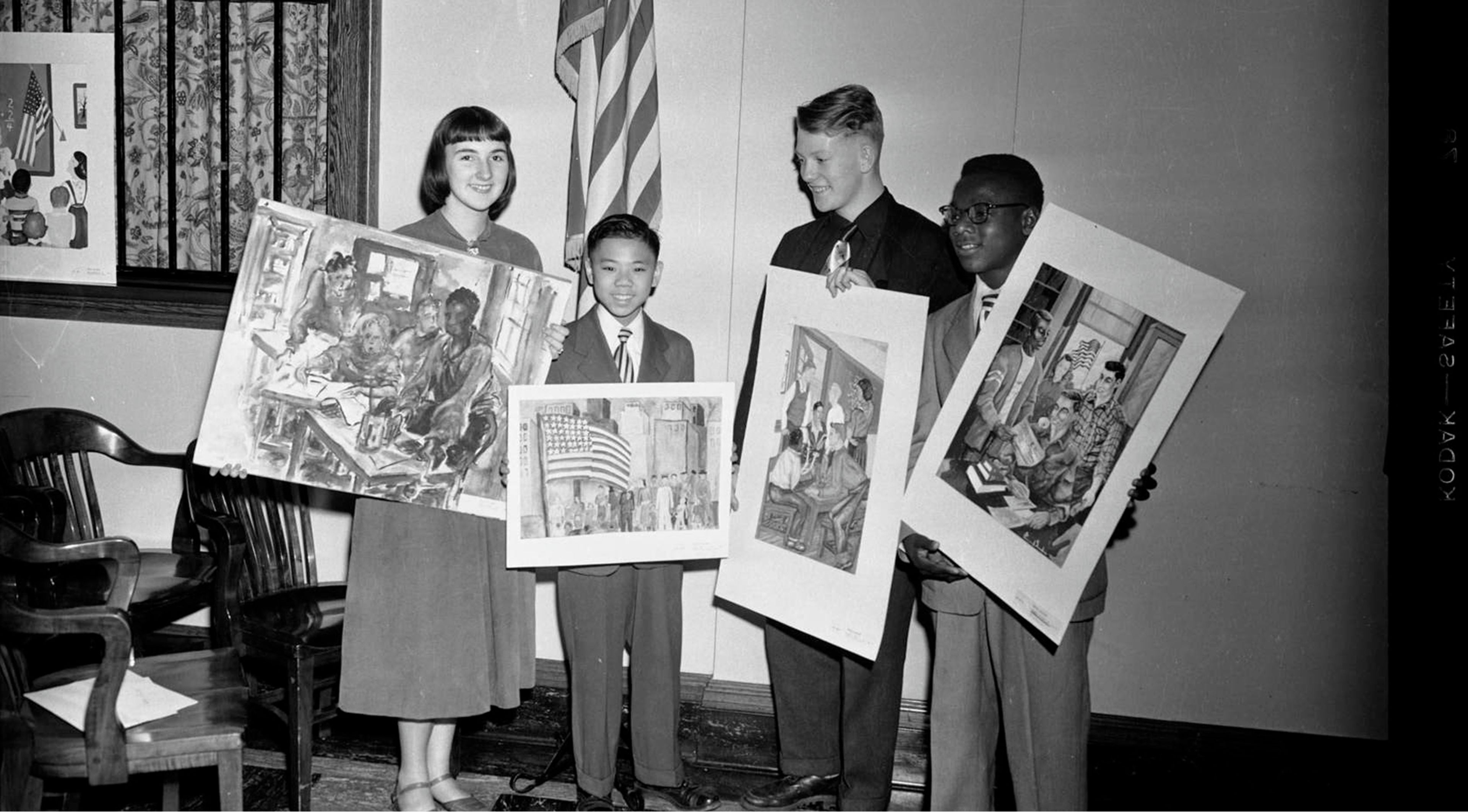
Raymond Saunders with classmates, Pittsburgh, Pennsylvania, c. 1950. © 2026 Estate of Raymond Saunders. All rights reserved
“Residue is a potent, active force, Saunders’ work attests, whether in material form or the shifting shapes of memory. Personal recollections of painting the living room when he was seven skirt alongside images extracted from collective memory.... The dissonance here yields terrific visual energy. There’s not a moment of blandness or passivity.”
—Leah Ollman, “An All-Embracing View of Life Emerges in Saunders’ Works,” Los Angeles Times, 2001
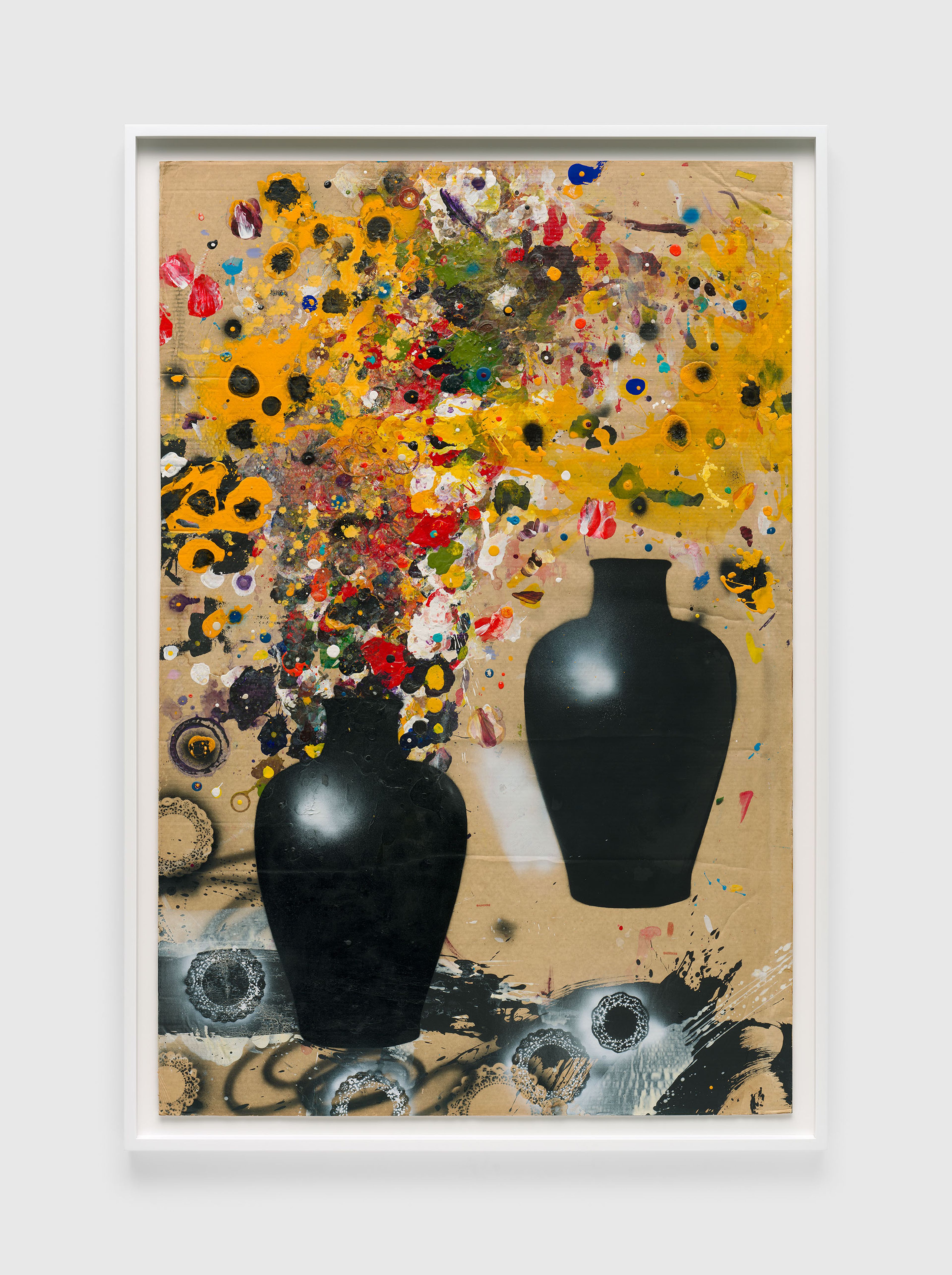
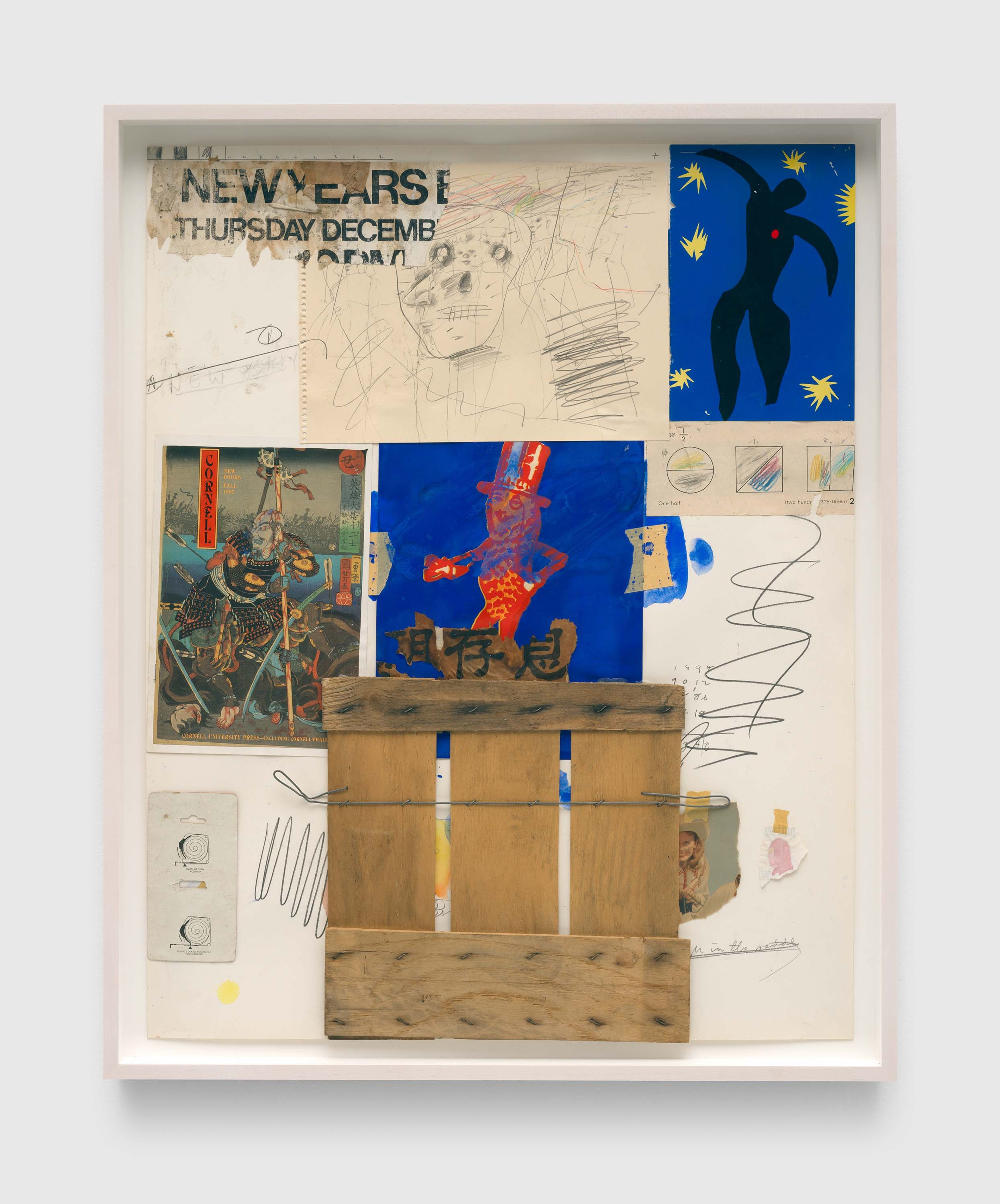
“In these small works on paper the images of Saunders’ graphic vocabulary combine in a resourceful variety of exuberant statements.... All the painterly effects of spatial and atmospheric definition are possible within this limited medium, and it is in this that Saunders excels.”
—Suzanne Foley, curator of Raymond Saunders, San Francisco Museum of Modern Art, 1971
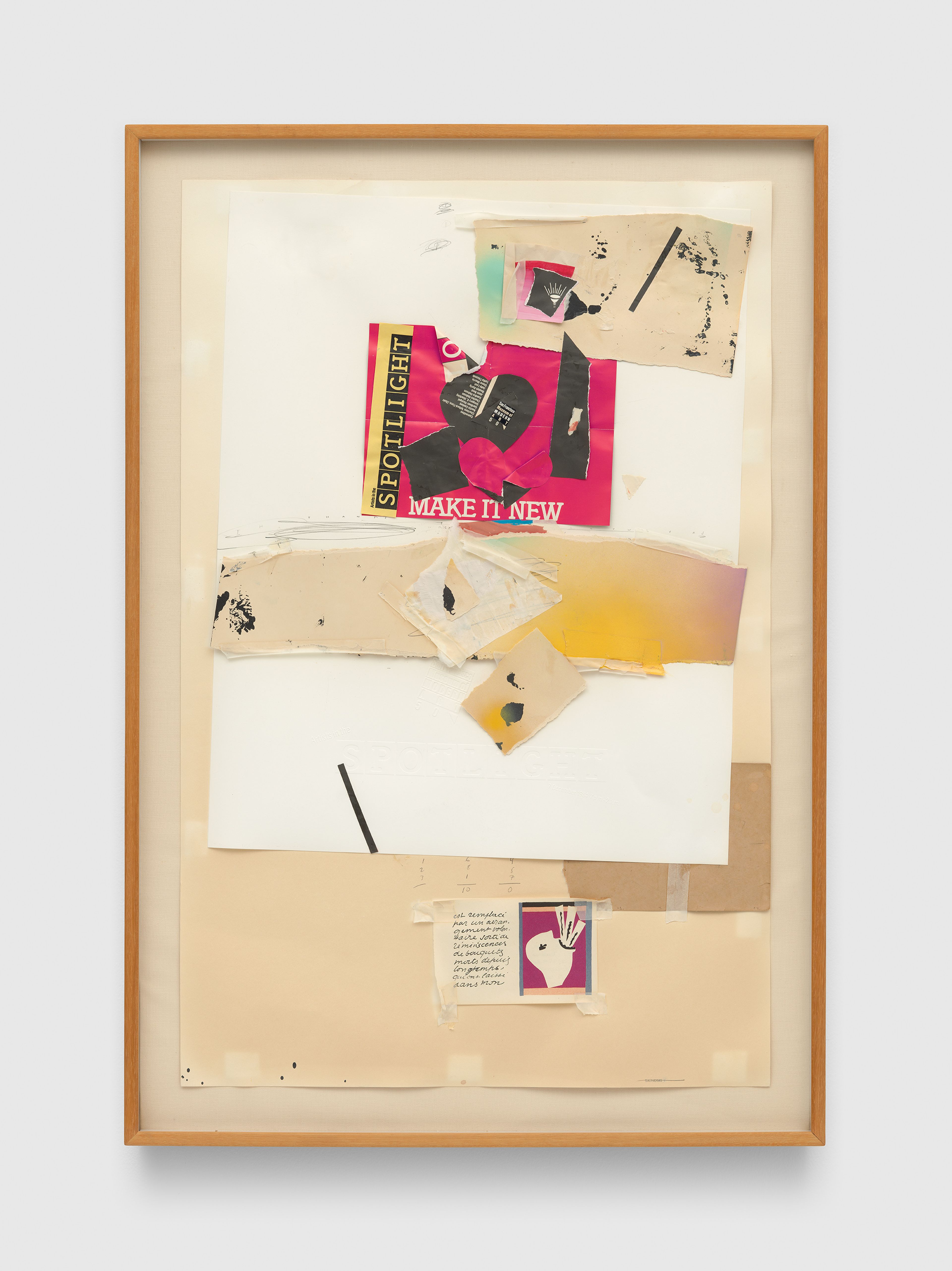
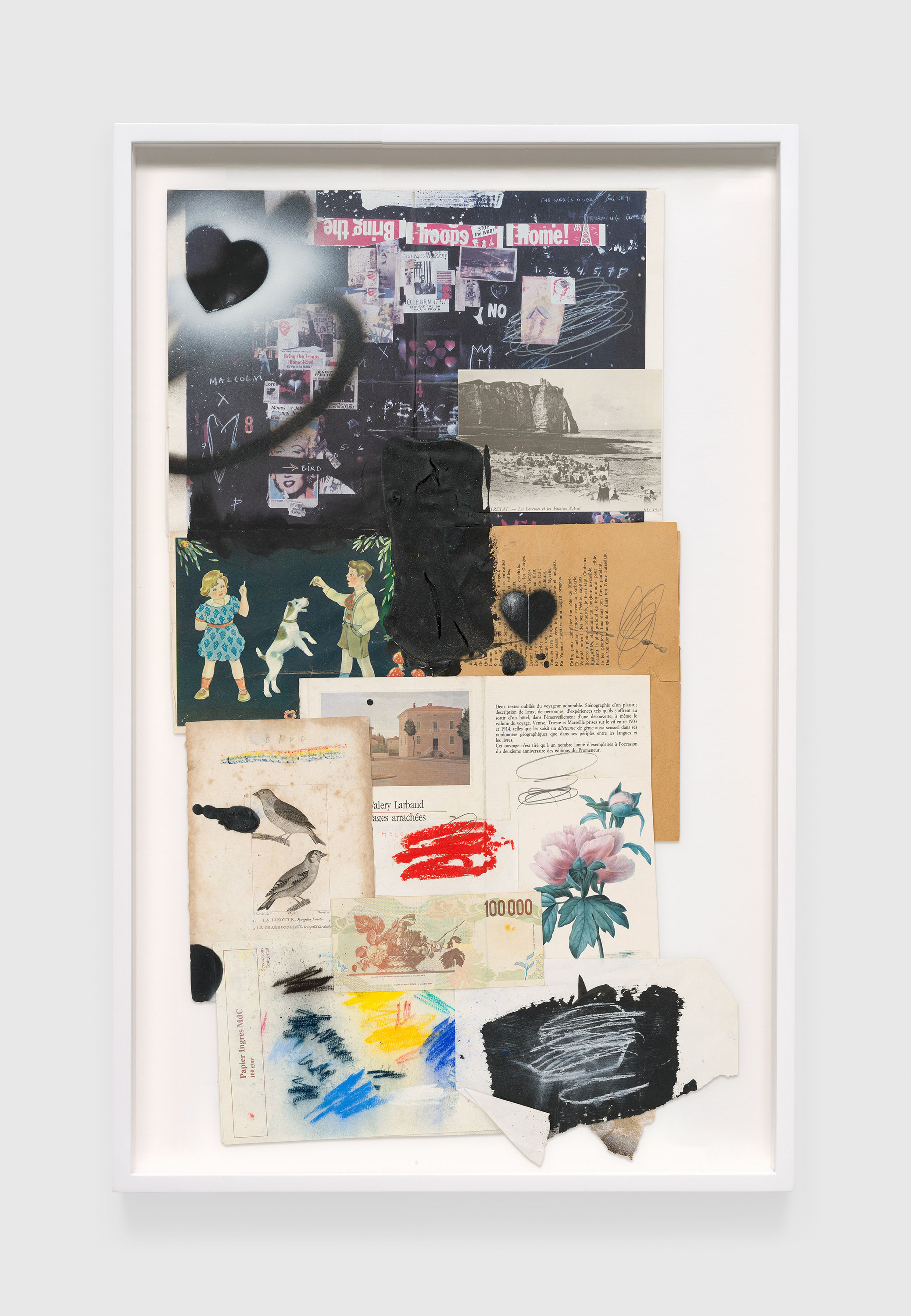
“Saunders does not see himself following in the tradition of Pop Art, Assemblage, or other art forms which incorporate found objects. Rather, he uses real objects to provide compositional, textural, and spatial contrasts; their psychological and narrative significance is secondary to formal issues.”
—Joy Feinberg, curator of Raymond Saunders: Recent Work, University Art Museum, University of California, 1976
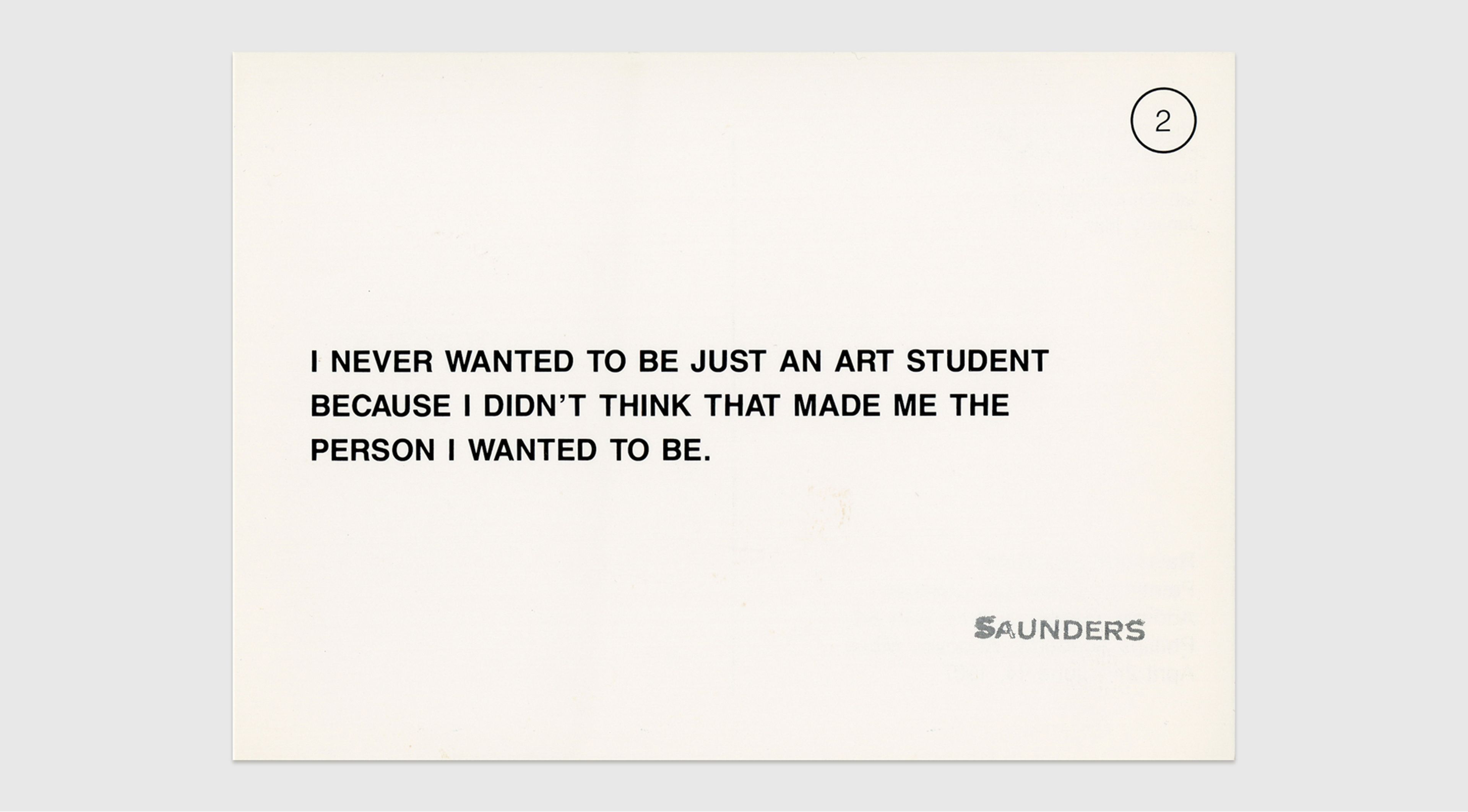
Selected excerpts from an interview between Saunders and Christopher Cook, 1987. Published by Raymond Saunders as “Nothing to Say” on occasion of the exhibition Raymond Saunders: Paintings, Drawings, Collages, Addison Gallery of American Art, Phillips Academy, Andover, Massachusetts, 1987. © 2026 Estate of Raymond Saunders. All rights reserved
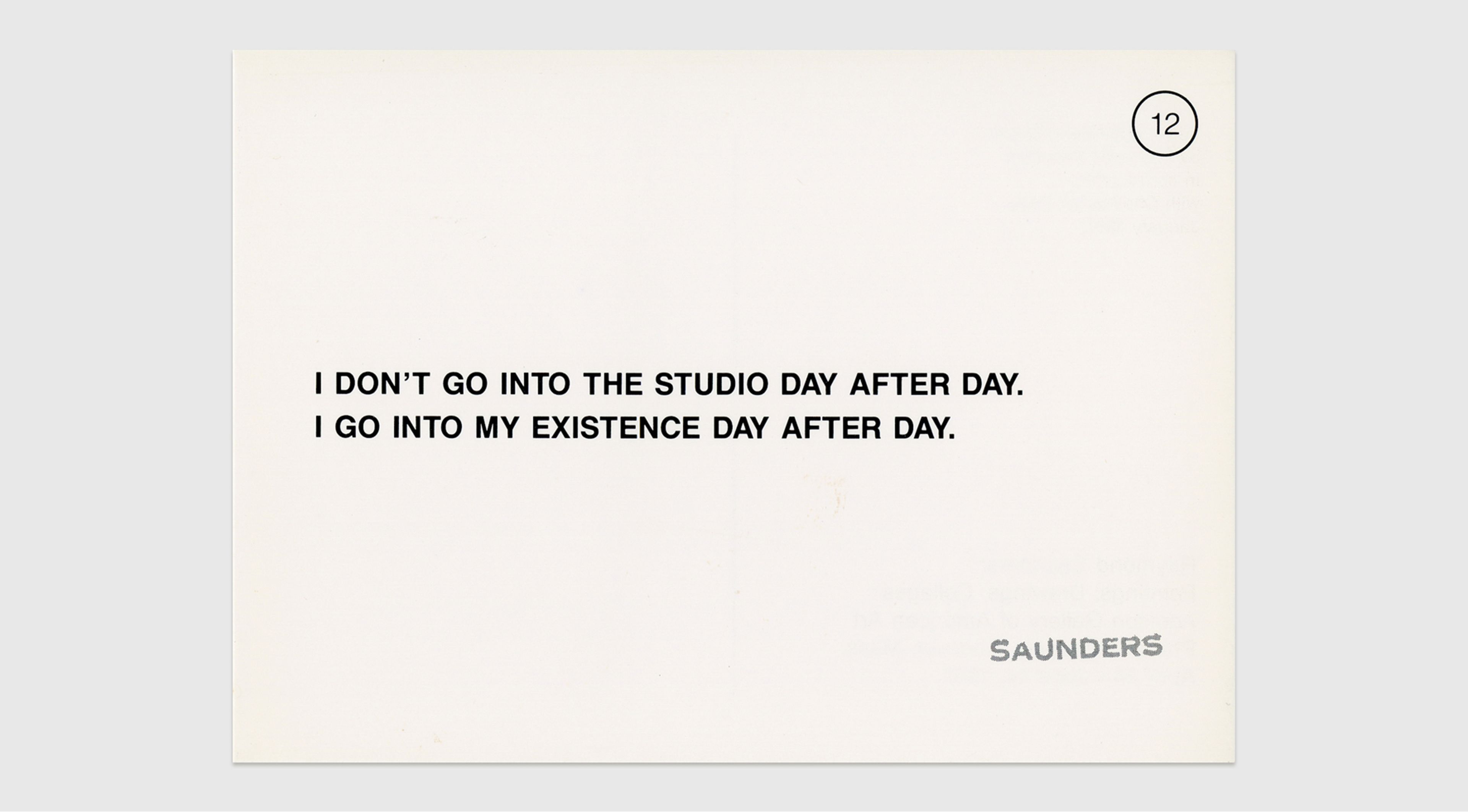
Selected excerpts from an interview between Saunders and Christopher Cook, 1987. Published by Raymond Saunders as “Nothing to Say” on occasion of the exhibition Raymond Saunders: Paintings, Drawings, Collages, Addison Gallery of American Art, Phillips Academy, Andover, Massachusetts, 1987. © 2026 Estate of Raymond Saunders. All rights reserved
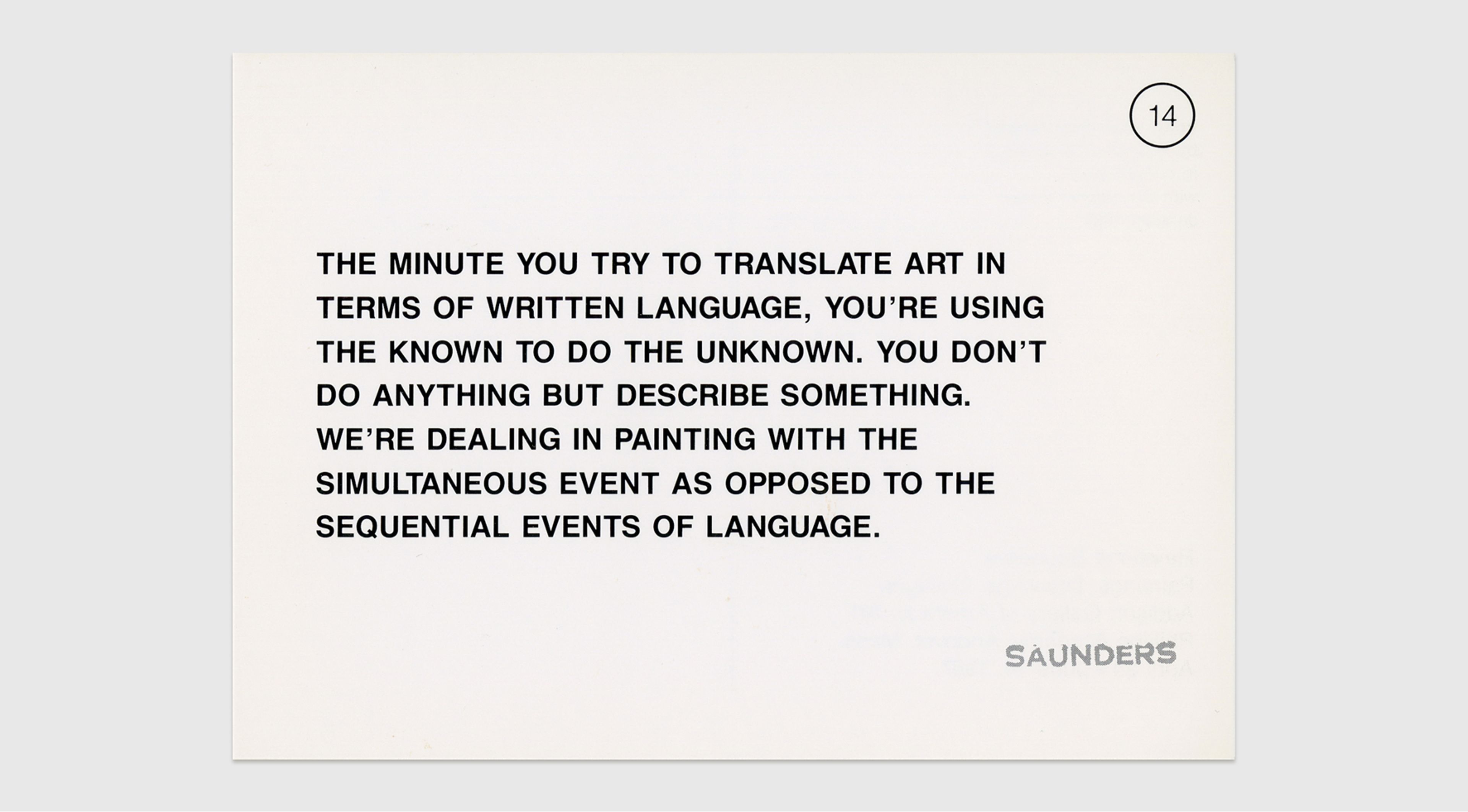
Selected excerpts from an interview between Saunders and Christopher Cook, 1987. Published by Raymond Saunders as “Nothing to Say” on occasion of the exhibition Raymond Saunders: Paintings, Drawings, Collages, Addison Gallery of American Art, Phillips Academy, Andover, Massachusetts, 1987. © 2026 Estate of Raymond Saunders. All rights reserved
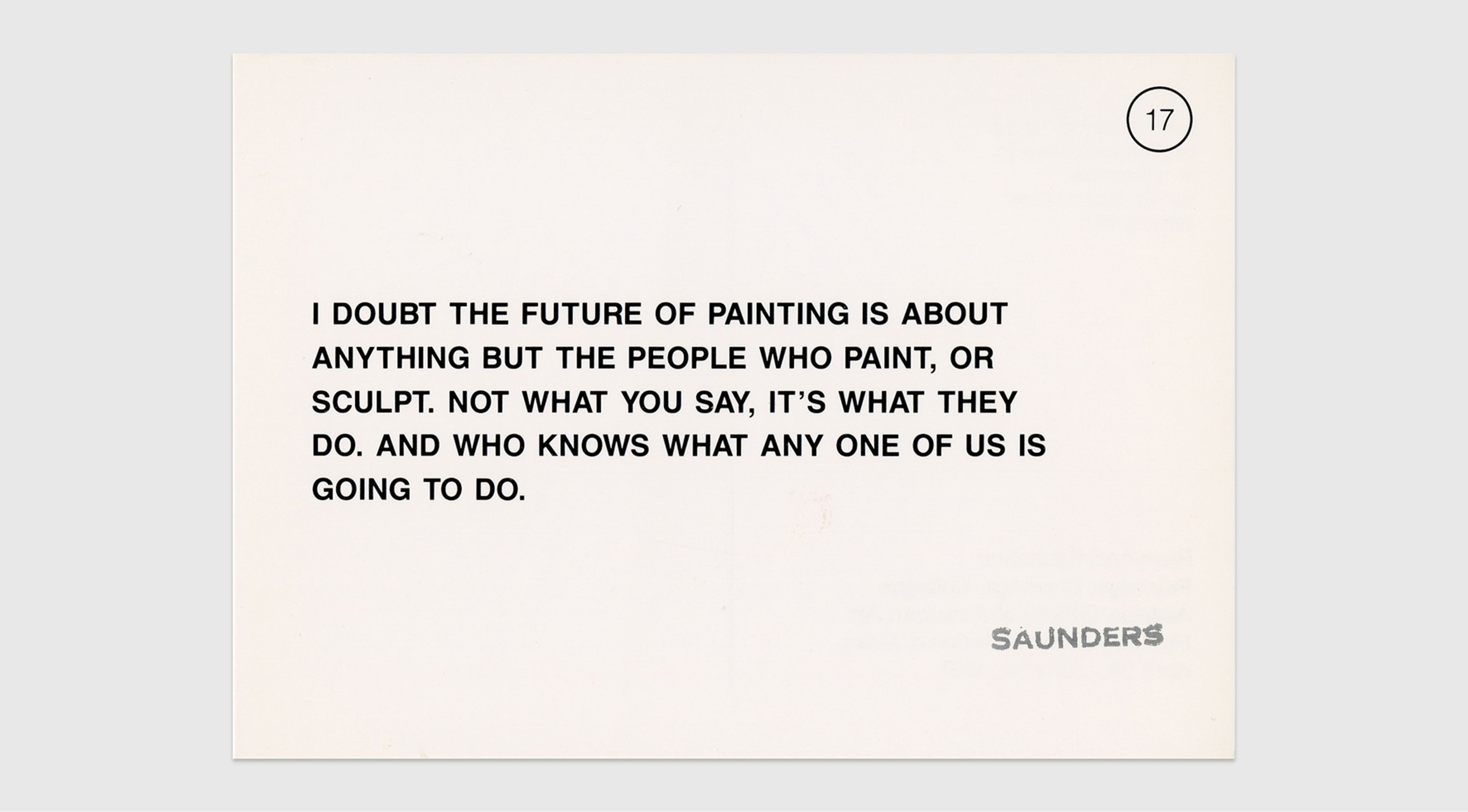
Selected excerpts from an interview between Saunders and Christopher Cook, 1987. Published by Raymond Saunders as “Nothing to Say” on occasion of the exhibition Raymond Saunders: Paintings, Drawings, Collages, Addison Gallery of American Art, Phillips Academy, Andover, Massachusetts, 1987. © 2026 Estate of Raymond Saunders. All rights reserved
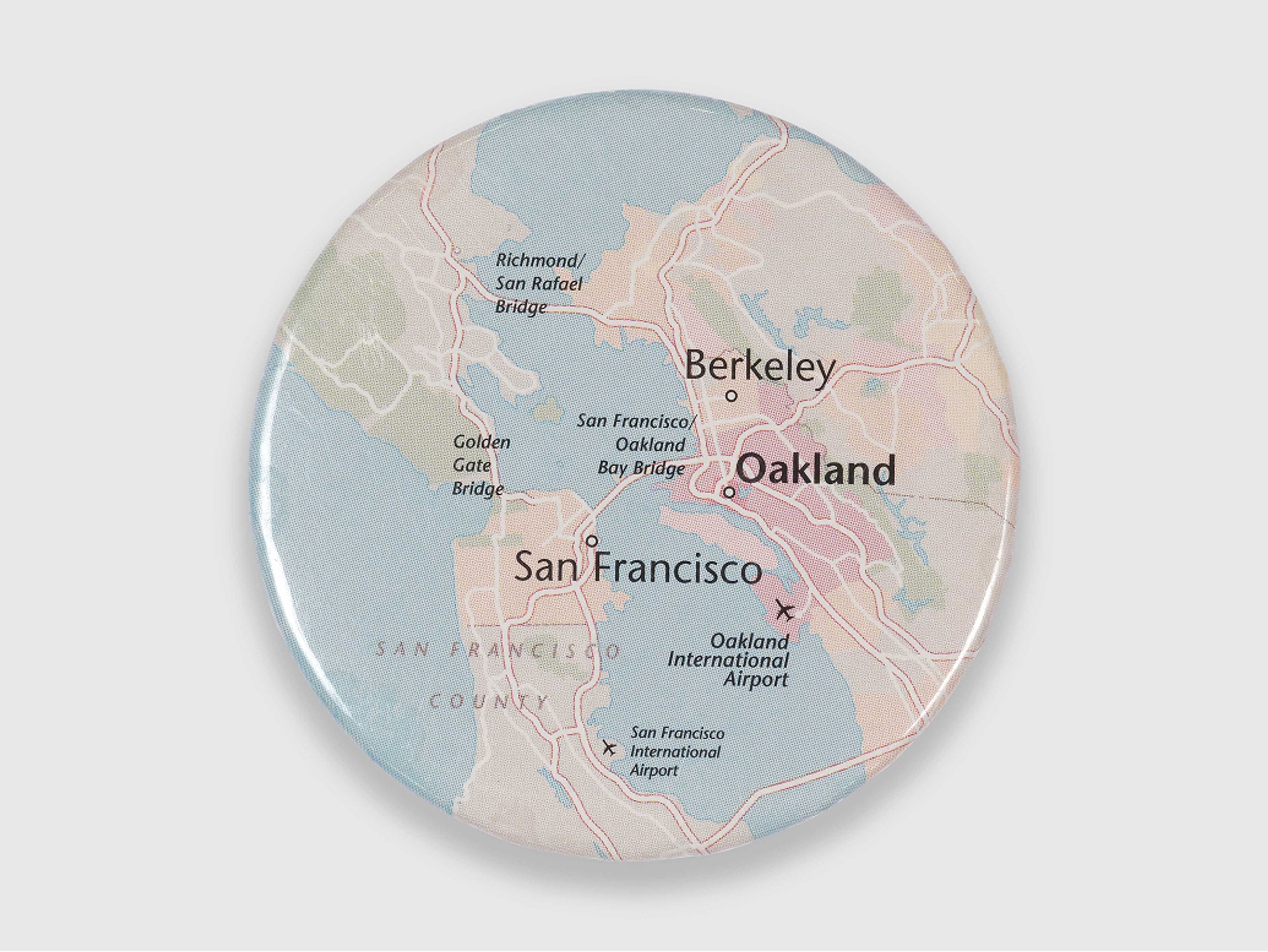
Pin with map of Oakland, California
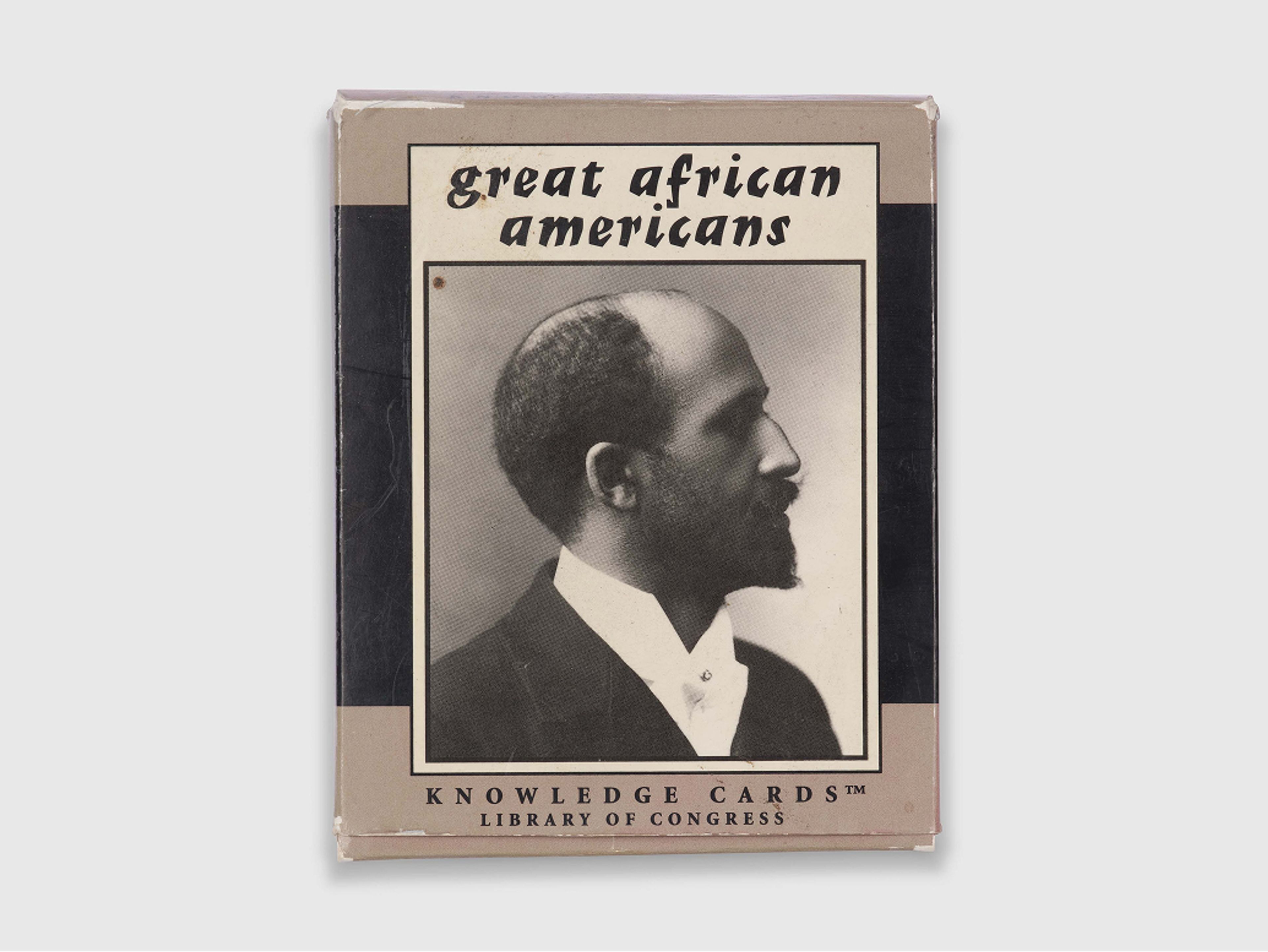
Great African Americans: Knowledge Cards (Rohnert Park, California and Washington, D.C.: Pomegranate Communications and Library of Congress, 1995)
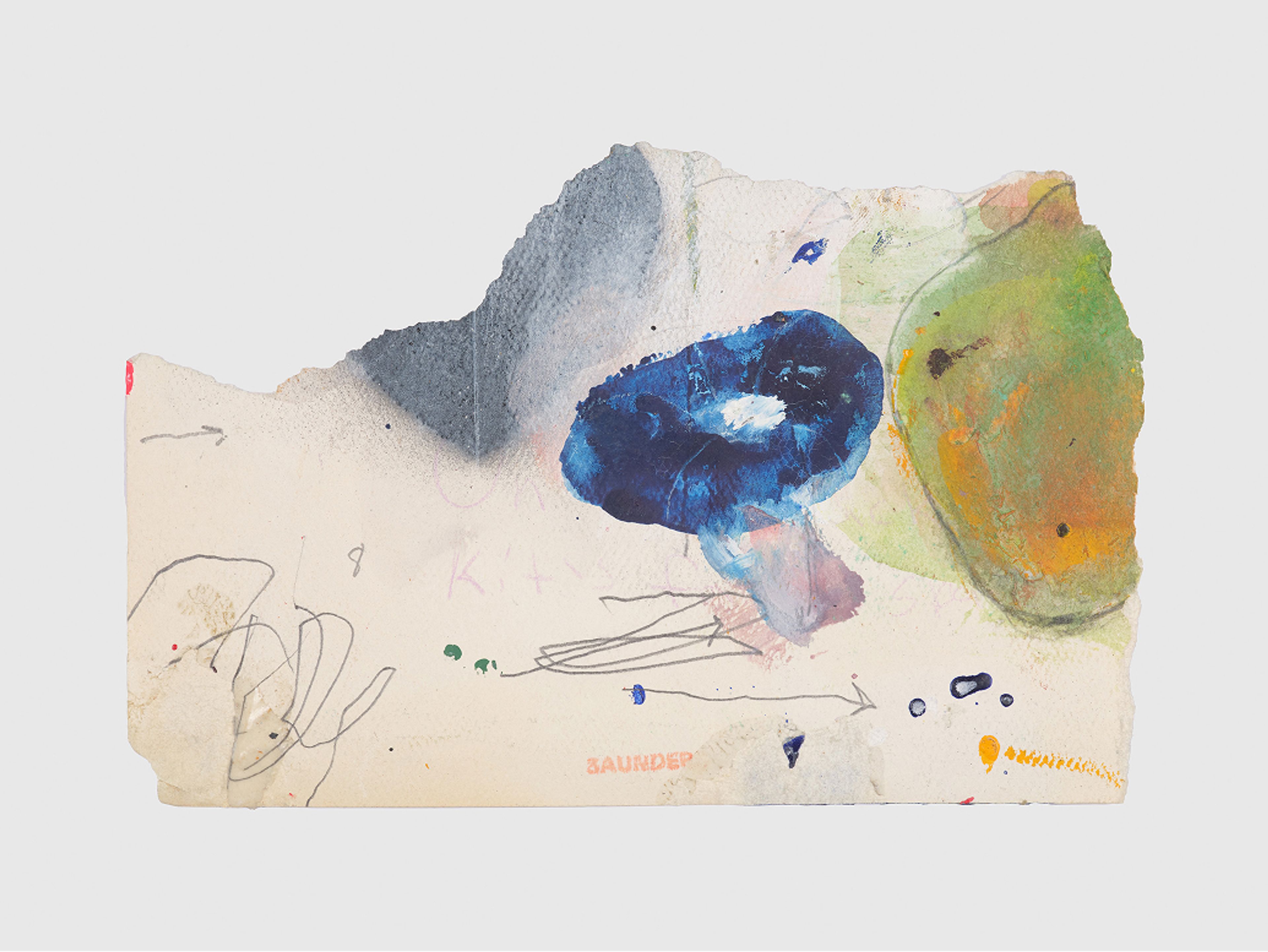
Untitled drawing by Raymond Saunders, n.d. © 2026 Estate of Raymond Saunders. All rights reserved
Saunders was an archivist who gathered and kept objects and mementos both personal and cultural, precious and abandoned, and these materials appear throughout his work. This throughline is underscored by an illustrative selection of archival materials from his Oakland studio, which are displayed in vitrines installed in the gallery space and further demonstrate the artist’s lifelong impulse to annotate, keep in touch, and accumulate.
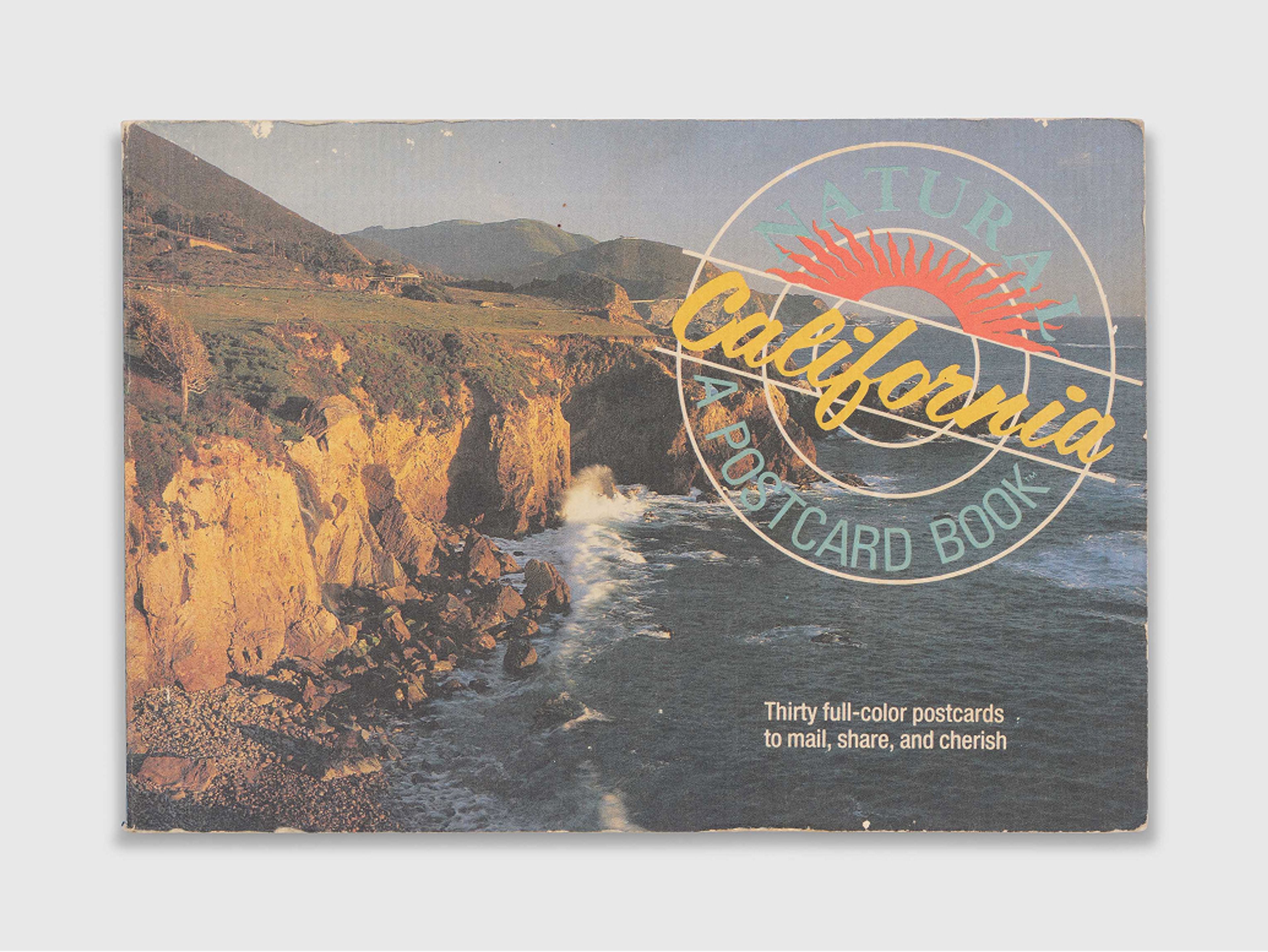
Postcard book from the collection of Raymond Saunders
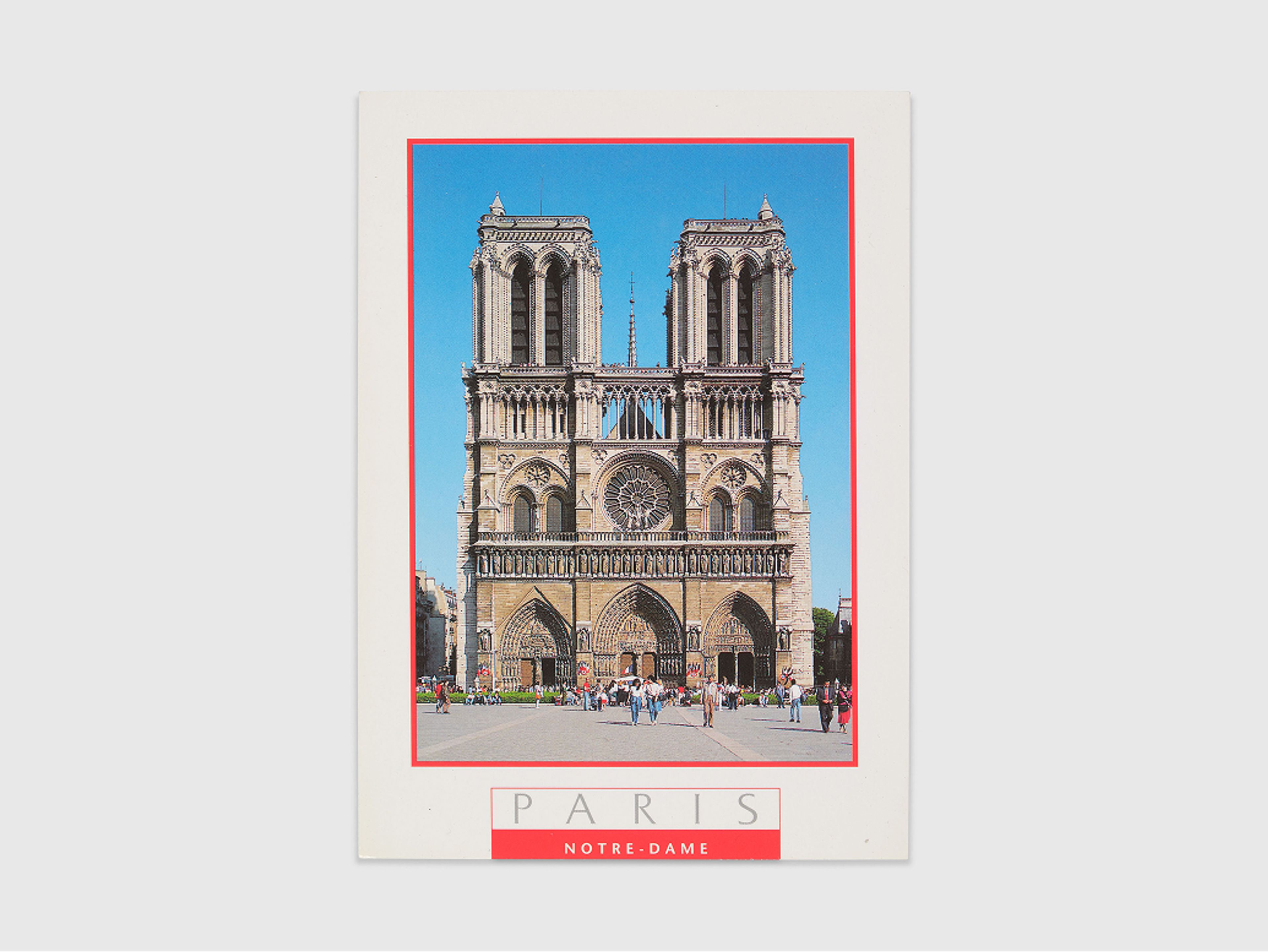
Postcard from the collection of Raymond Saunders
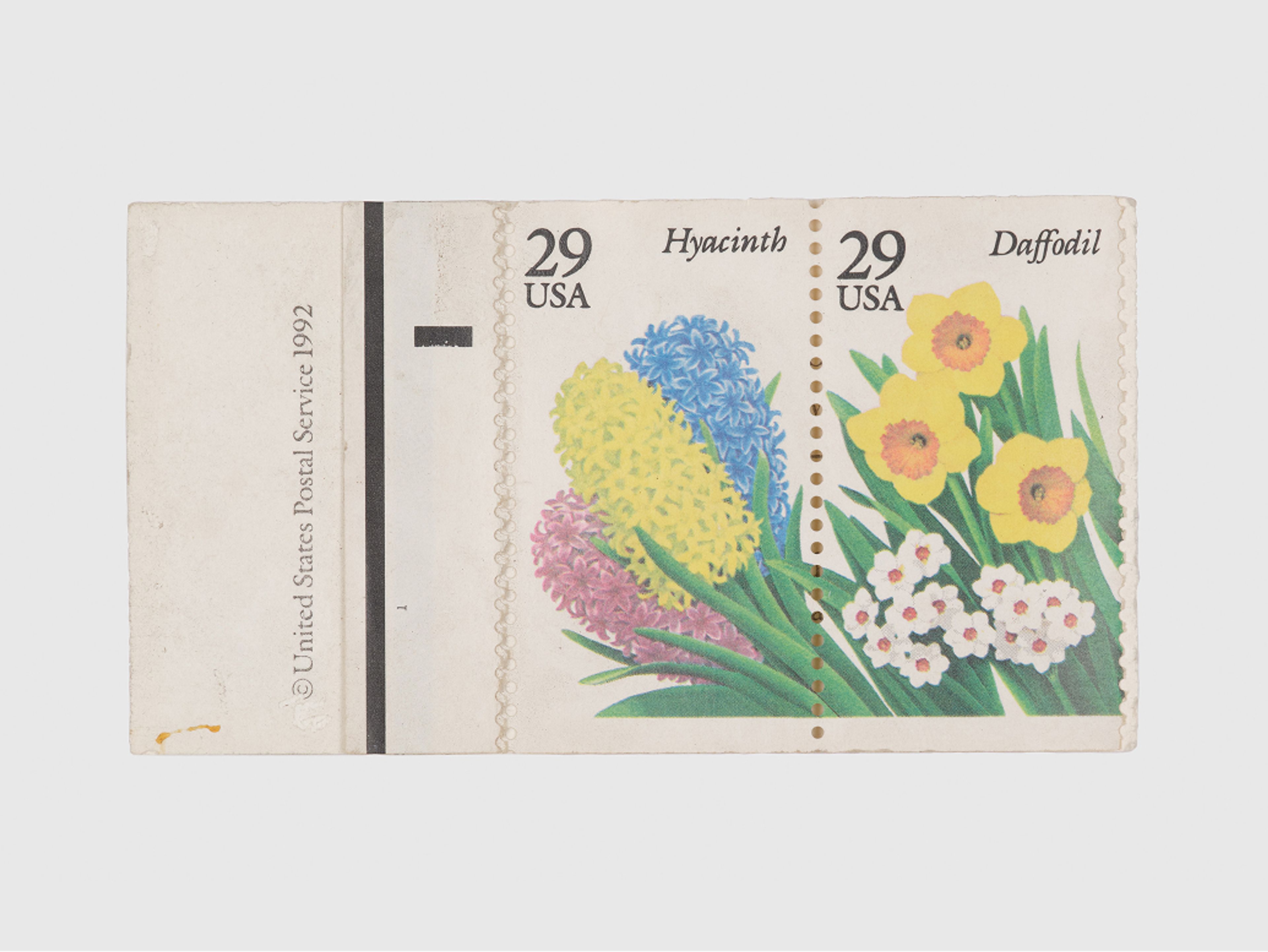
Postage stamp from the collection of Raymond Saunders
These materials include selections from Saunders’s extensive collection of postcards, photographs, and stamps, as well as ephemera from exhibitions, conferences, and classes, among other documents from the artist’s life, one that produced a rich archive both professional and personal.
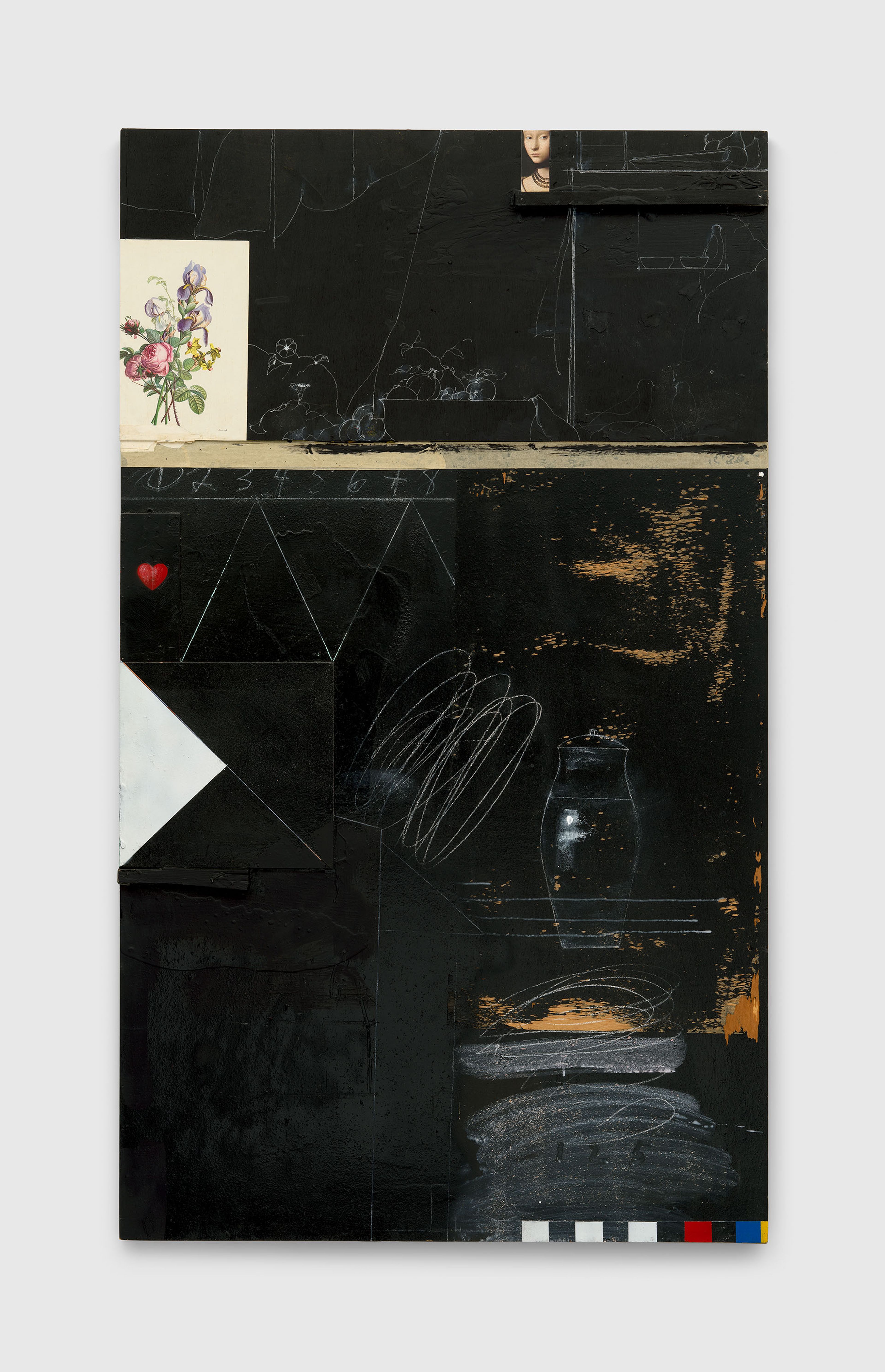
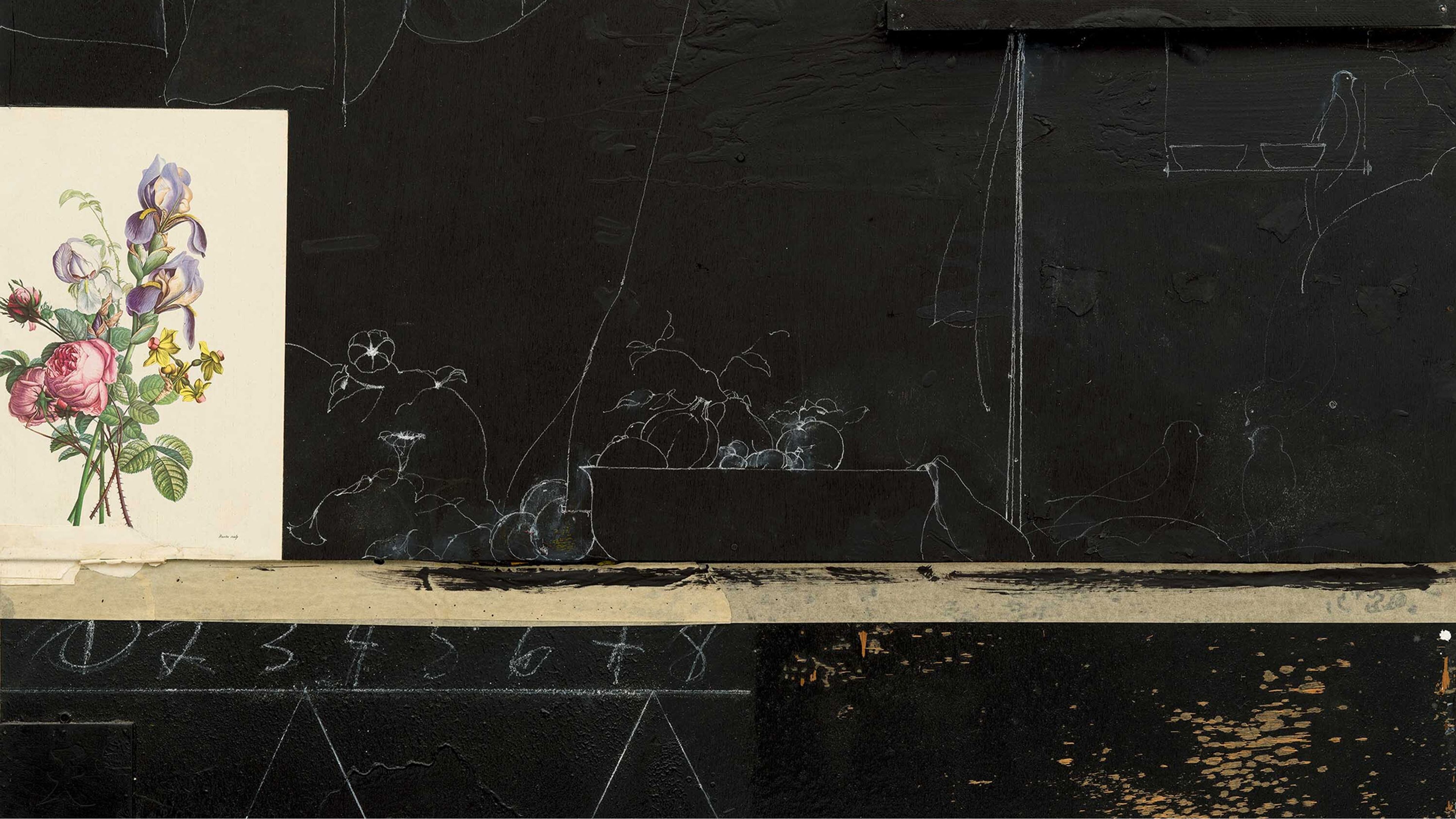
Raymond Saunders, Untitled, 1995–2000 (detail)
“Saunders’ confidence is not displayed in glib ways; it is a quality one perceives through his paintings and the discipline of his methods, his very work ethic. While he is reluctant to offer interpretations of his work, what he does say communicates an understanding of, and respect for, the creative process he experiences.”
—Philip Linhares, curator of Raymond Saunders: Recent Work, Oakland Museum, 1994
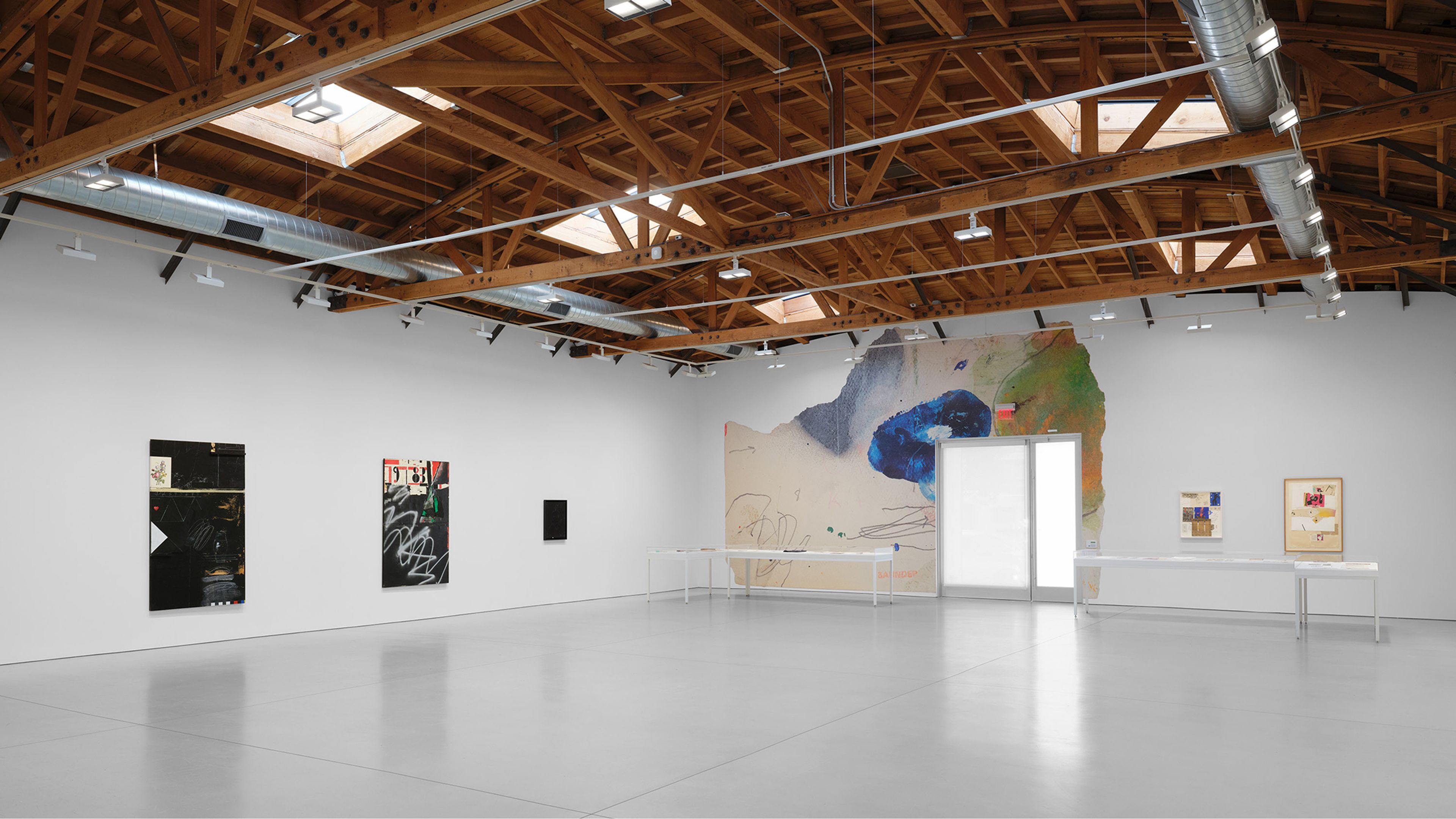
Installation view, Raymond Saunders: Notes from LA, David Zwirner, Los Angeles, 2026

Inquire about works by Raymond Saunders